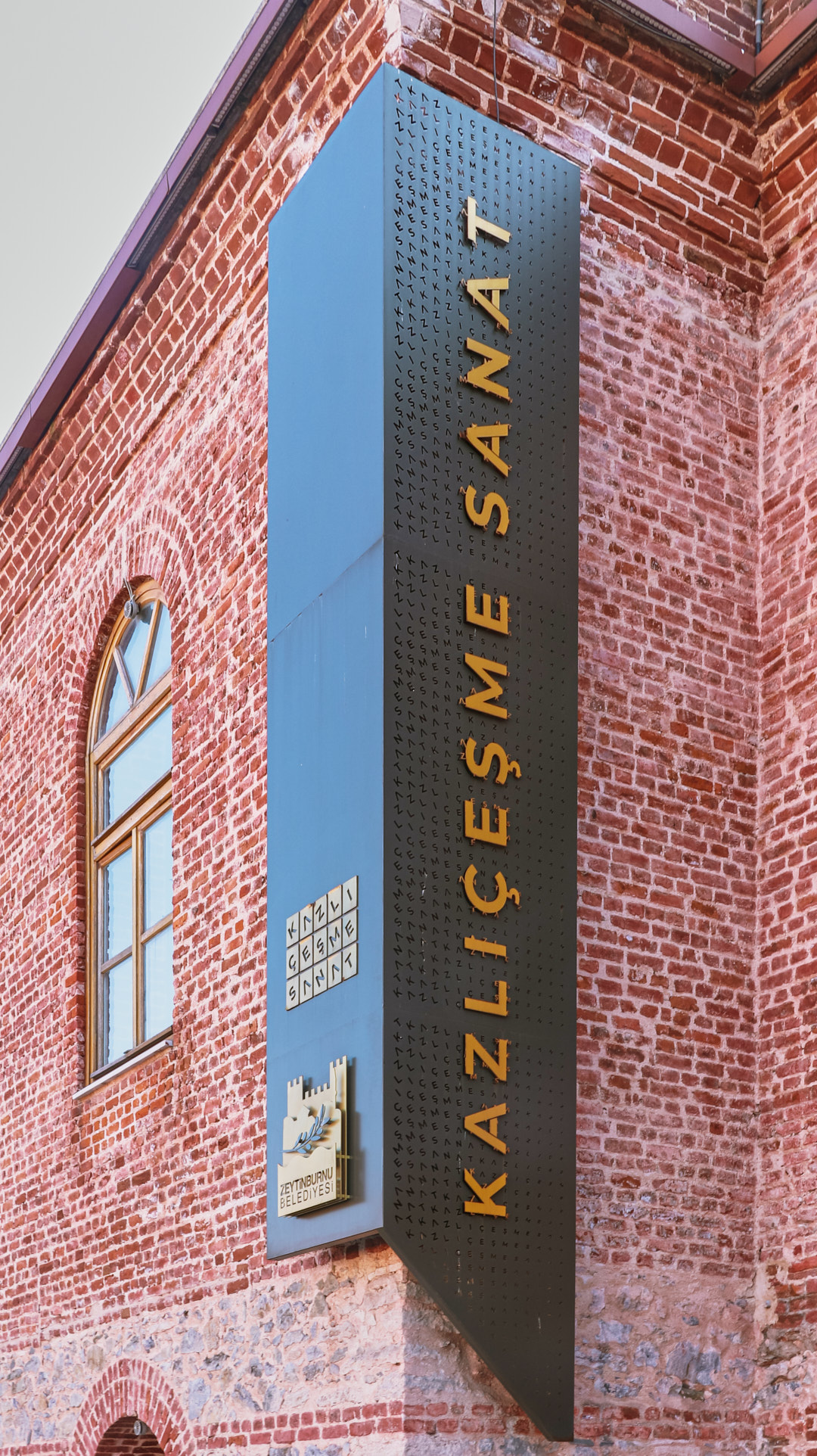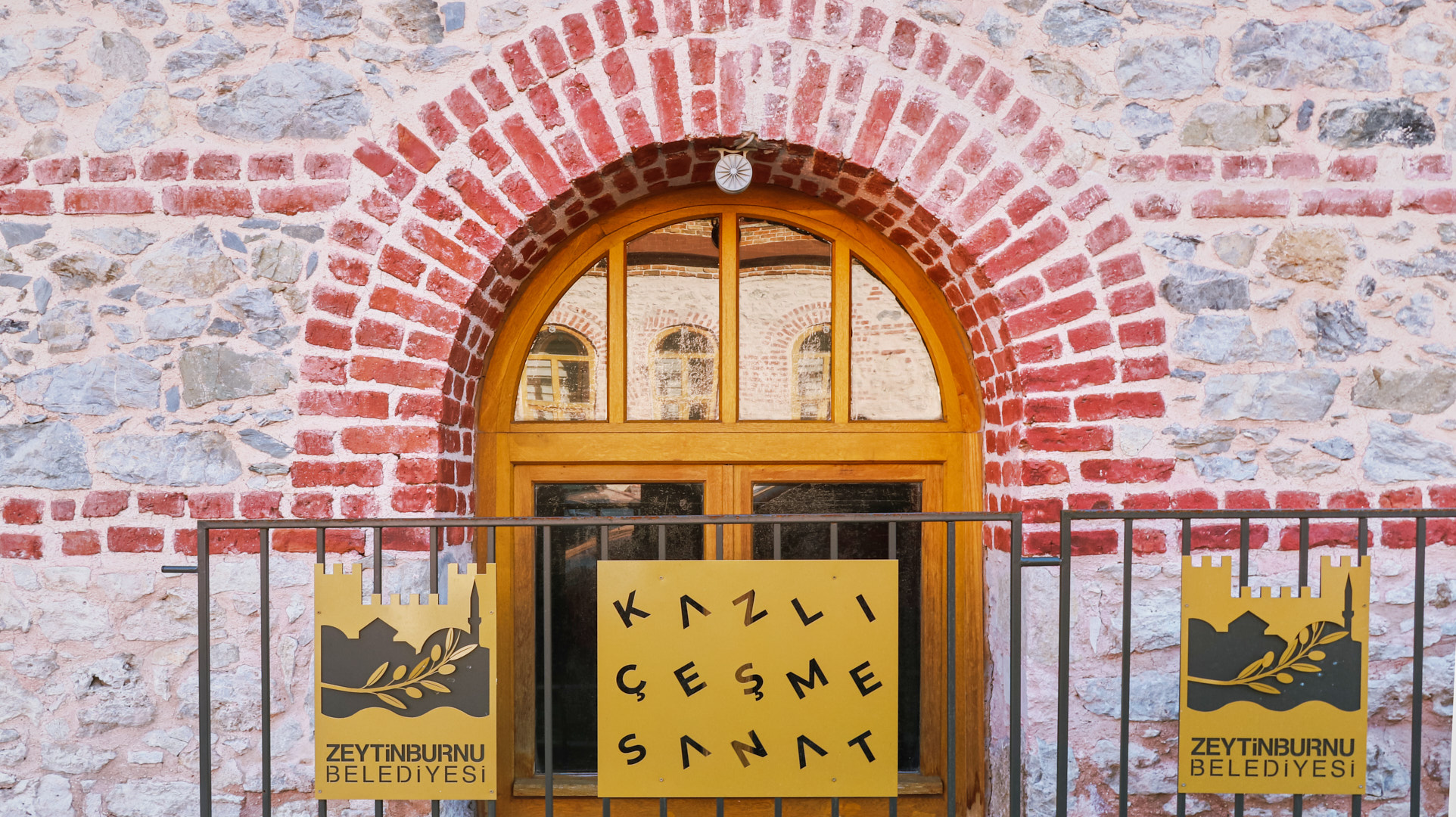
KS Art Gallery
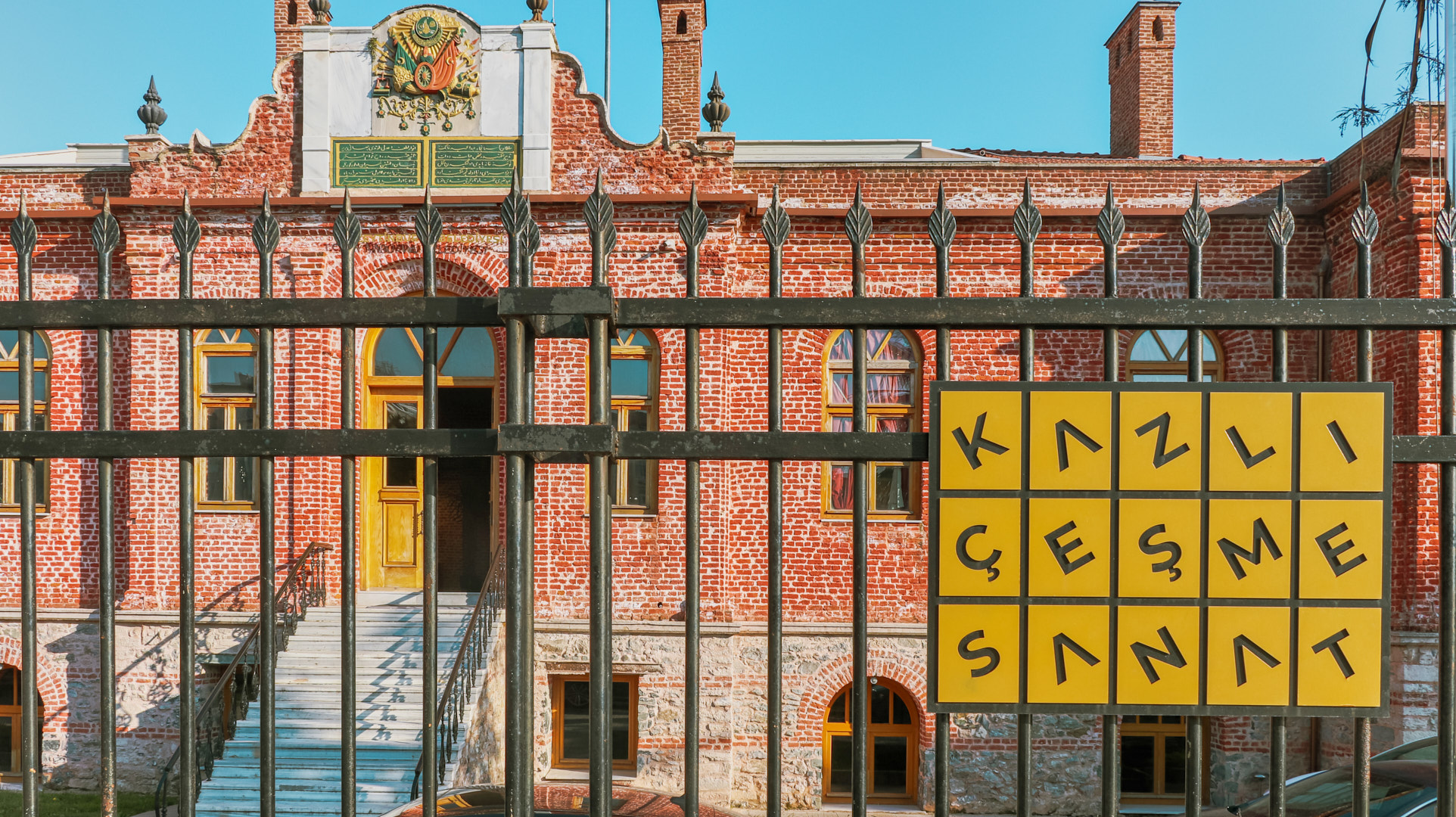
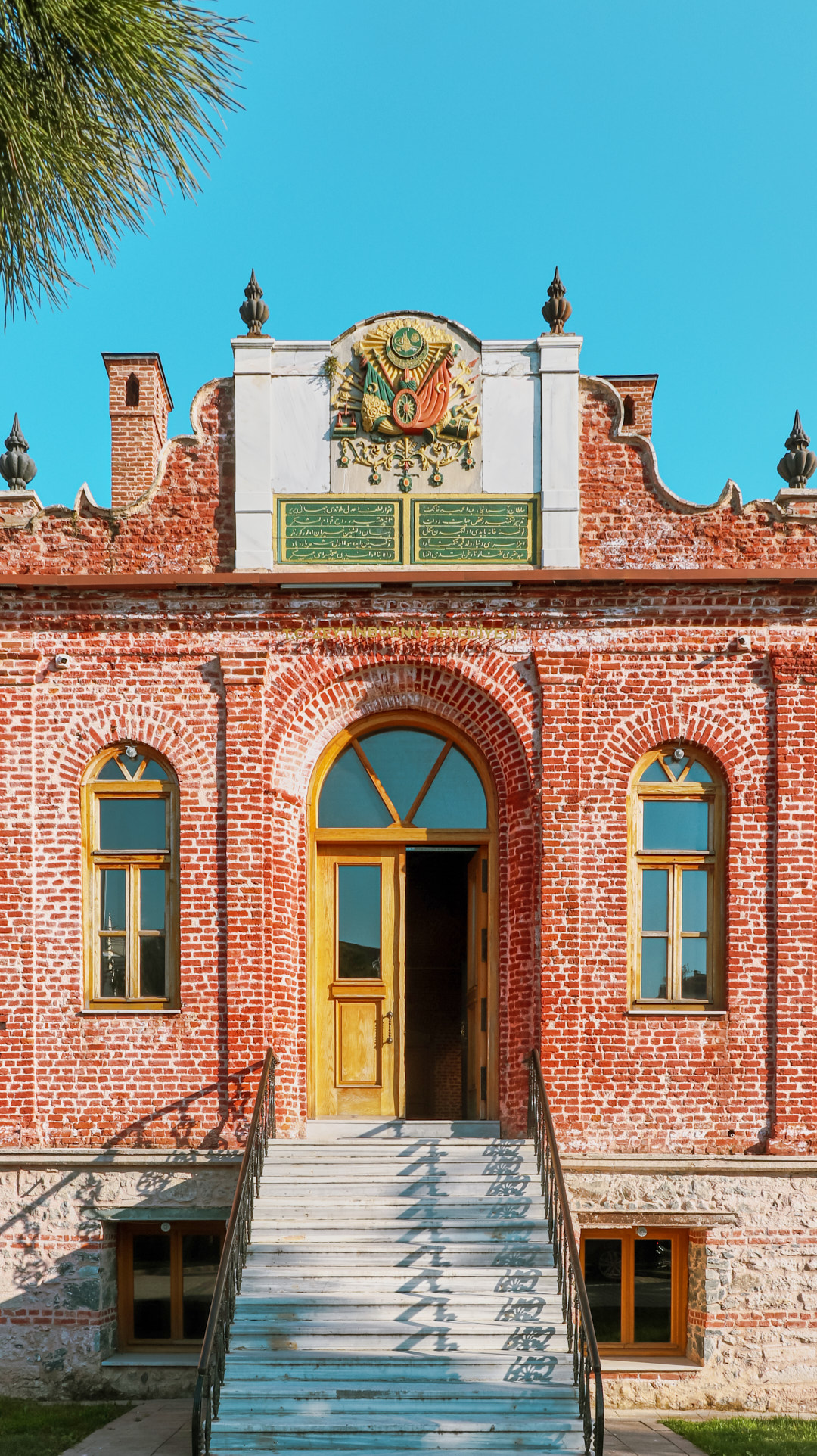
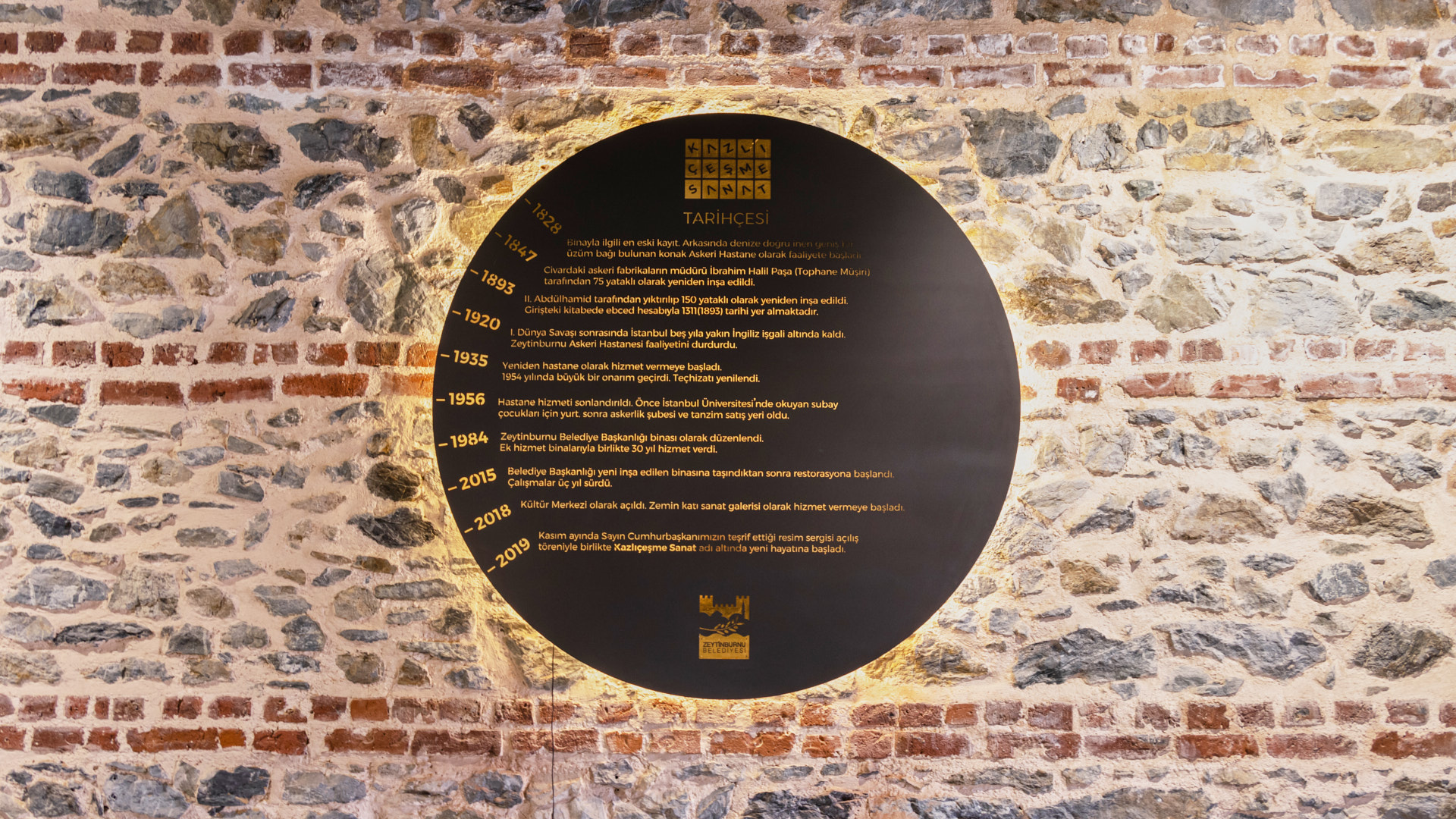
The building currently used as the Kazlıçeşme Art Center and the Zeytinburnu Municipality Headquarters was originally constructed in 1893 by Sultan Abdülhamid II as a military hospital.
Although the two-story structure has served various functions over time, its load-bearing walls and its rectangular, symmetrical plan scheme have remained intact to this day despite several functional changes.
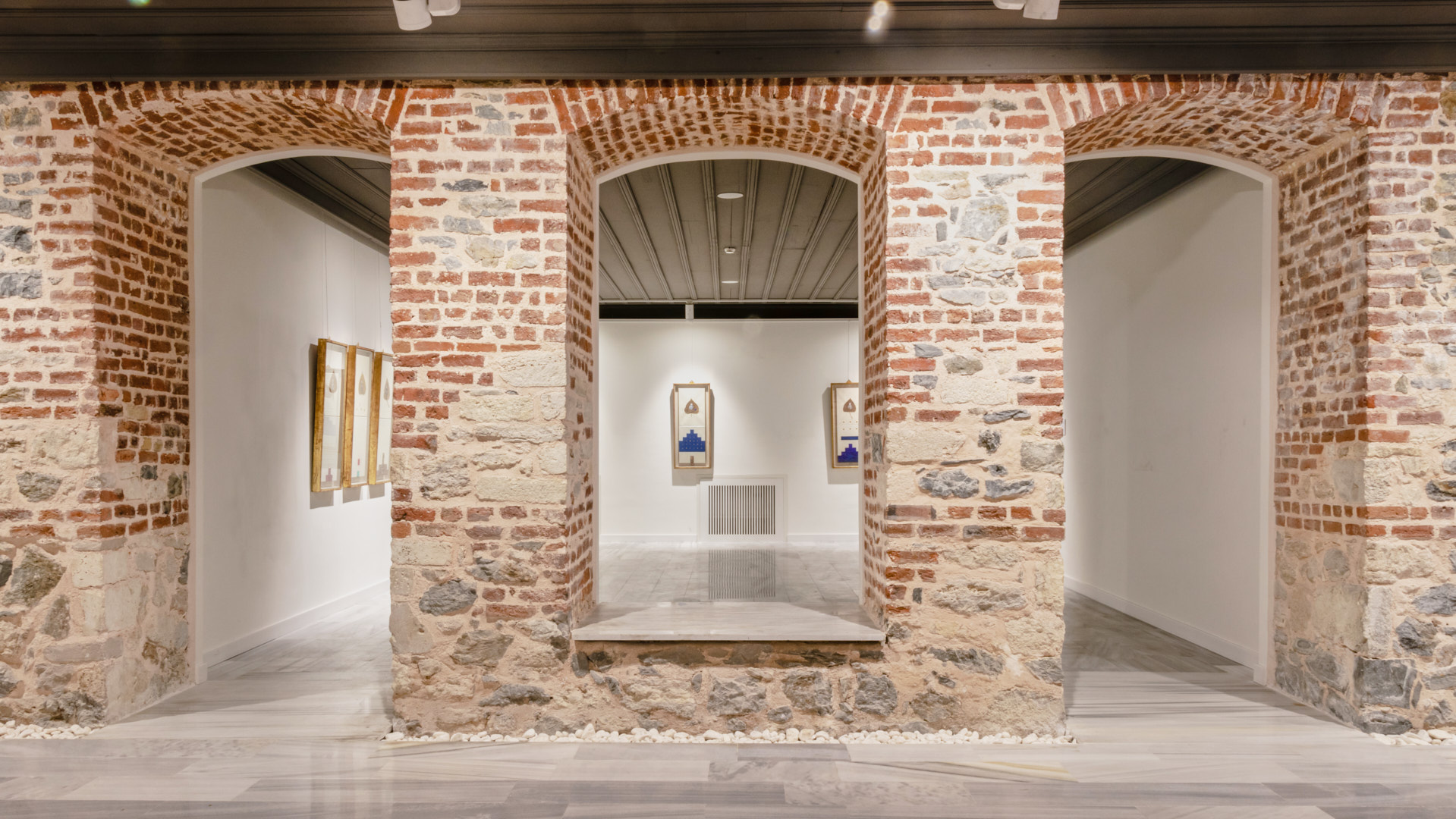
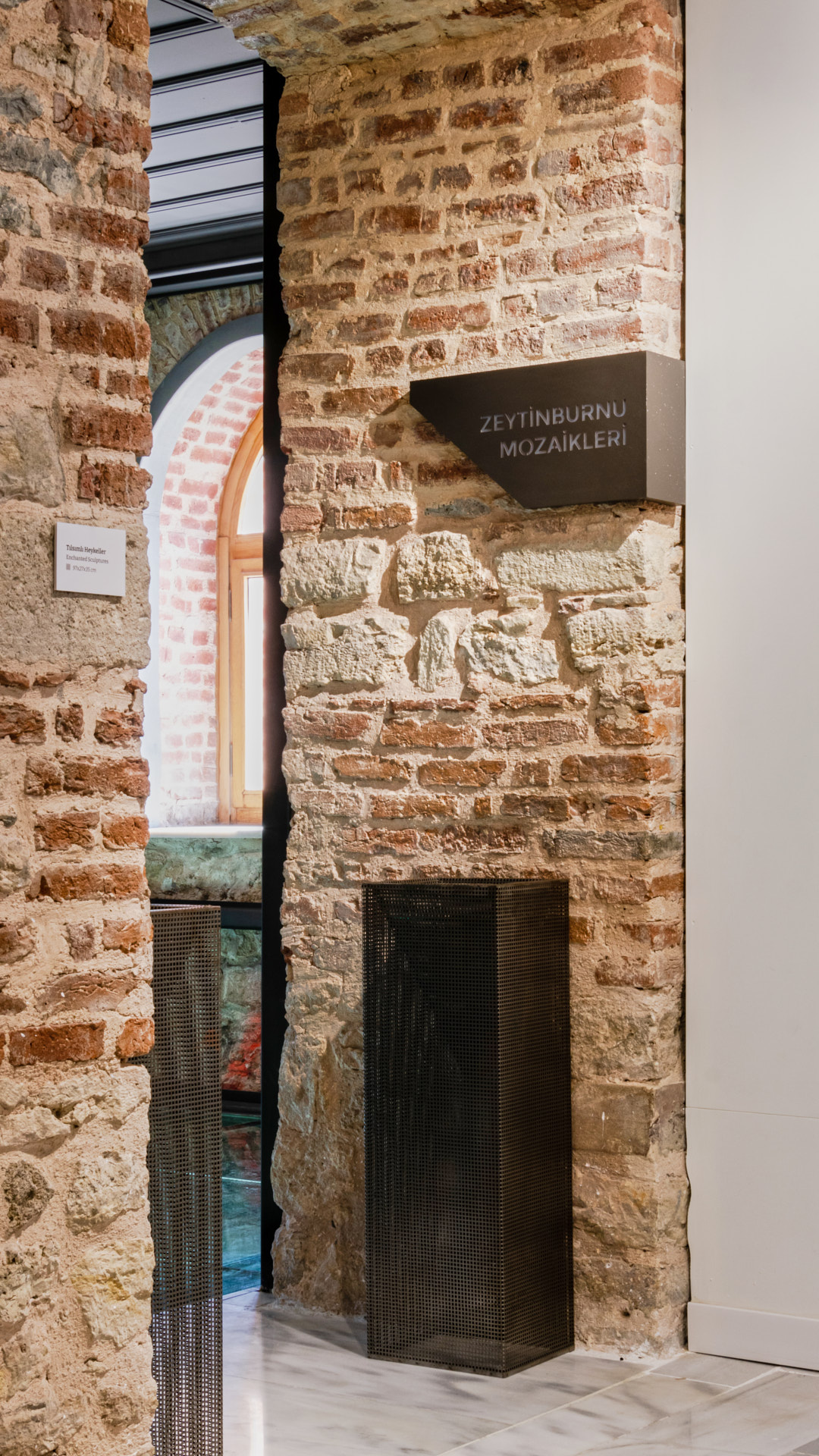
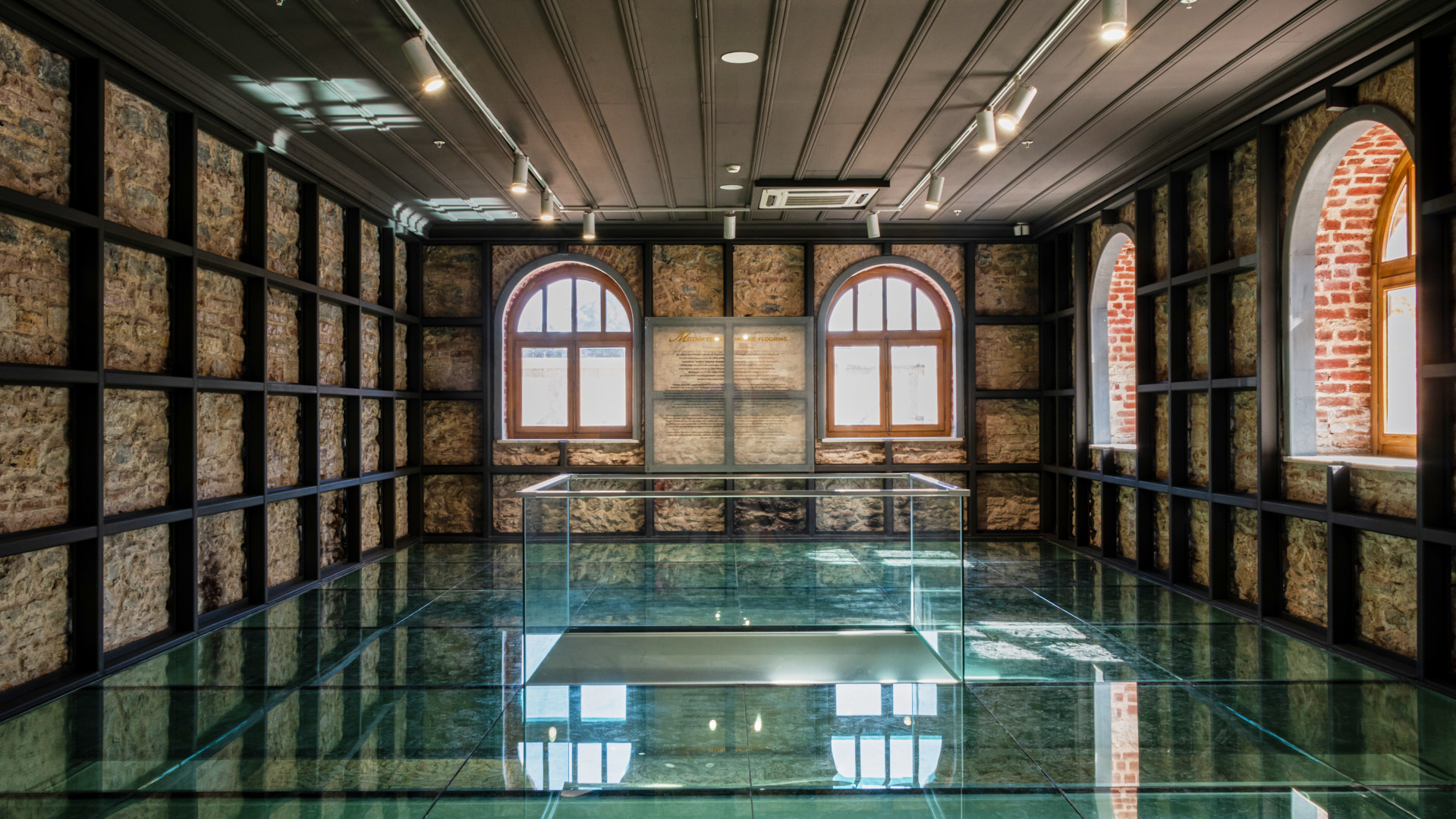
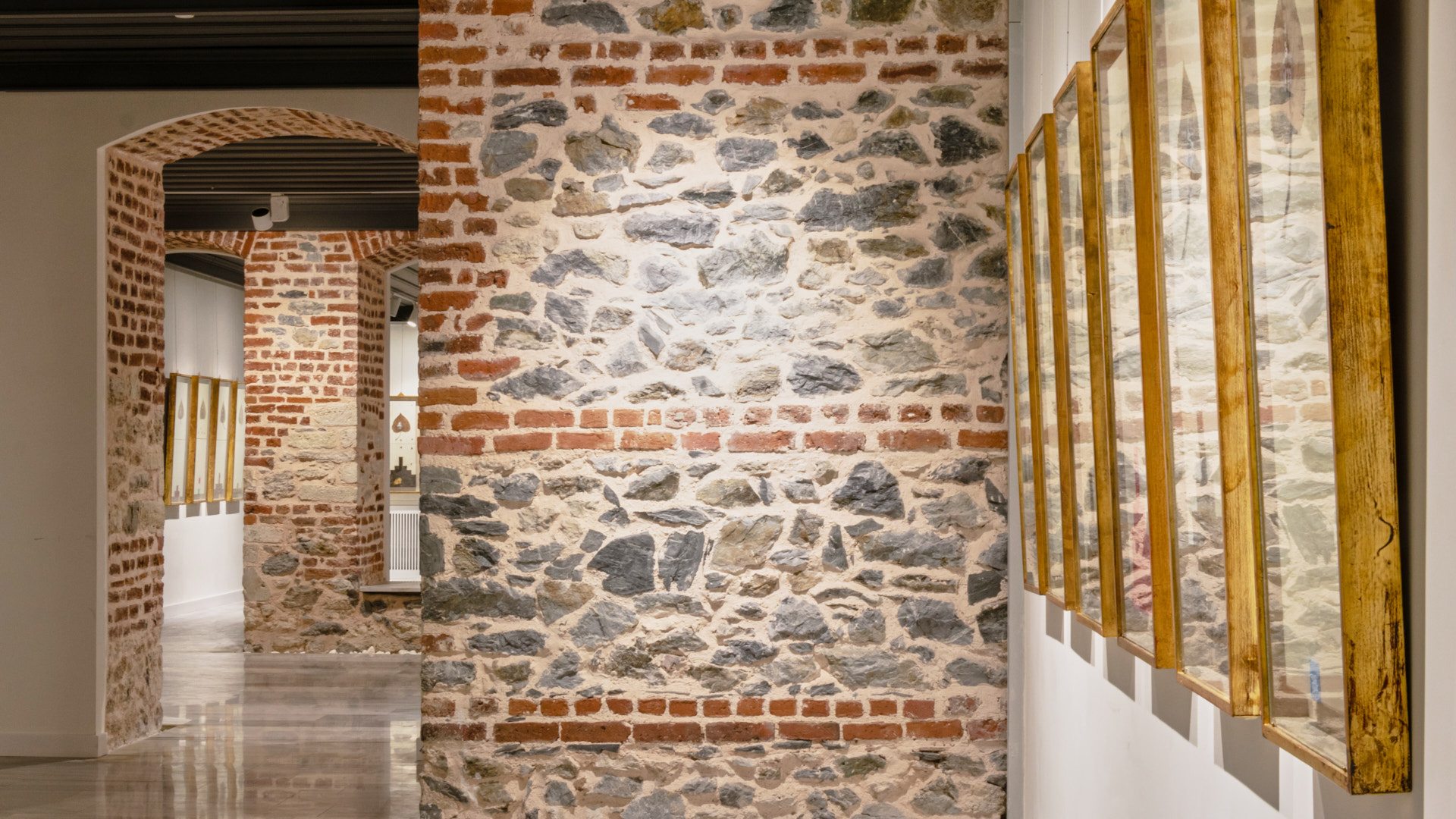
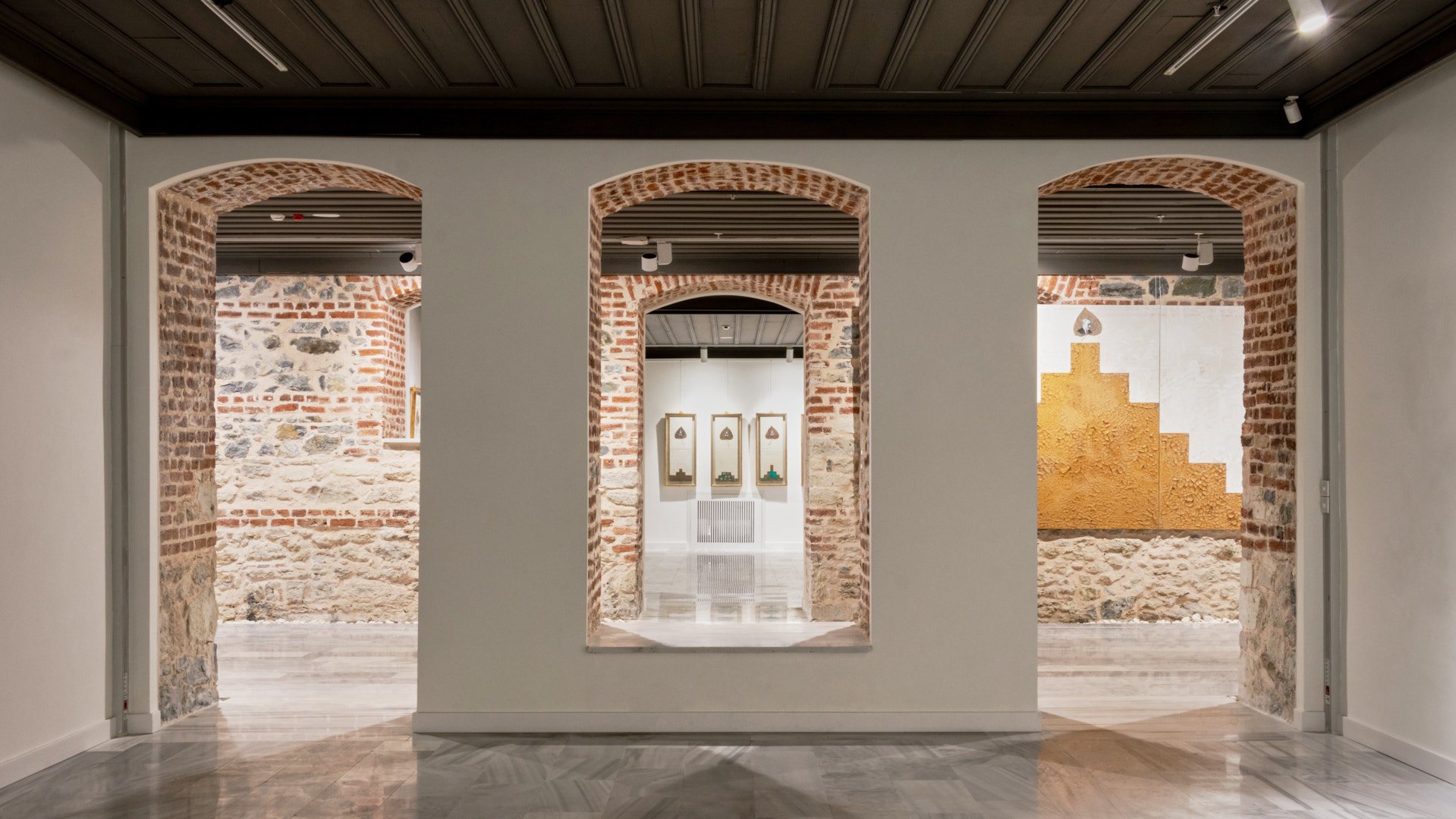
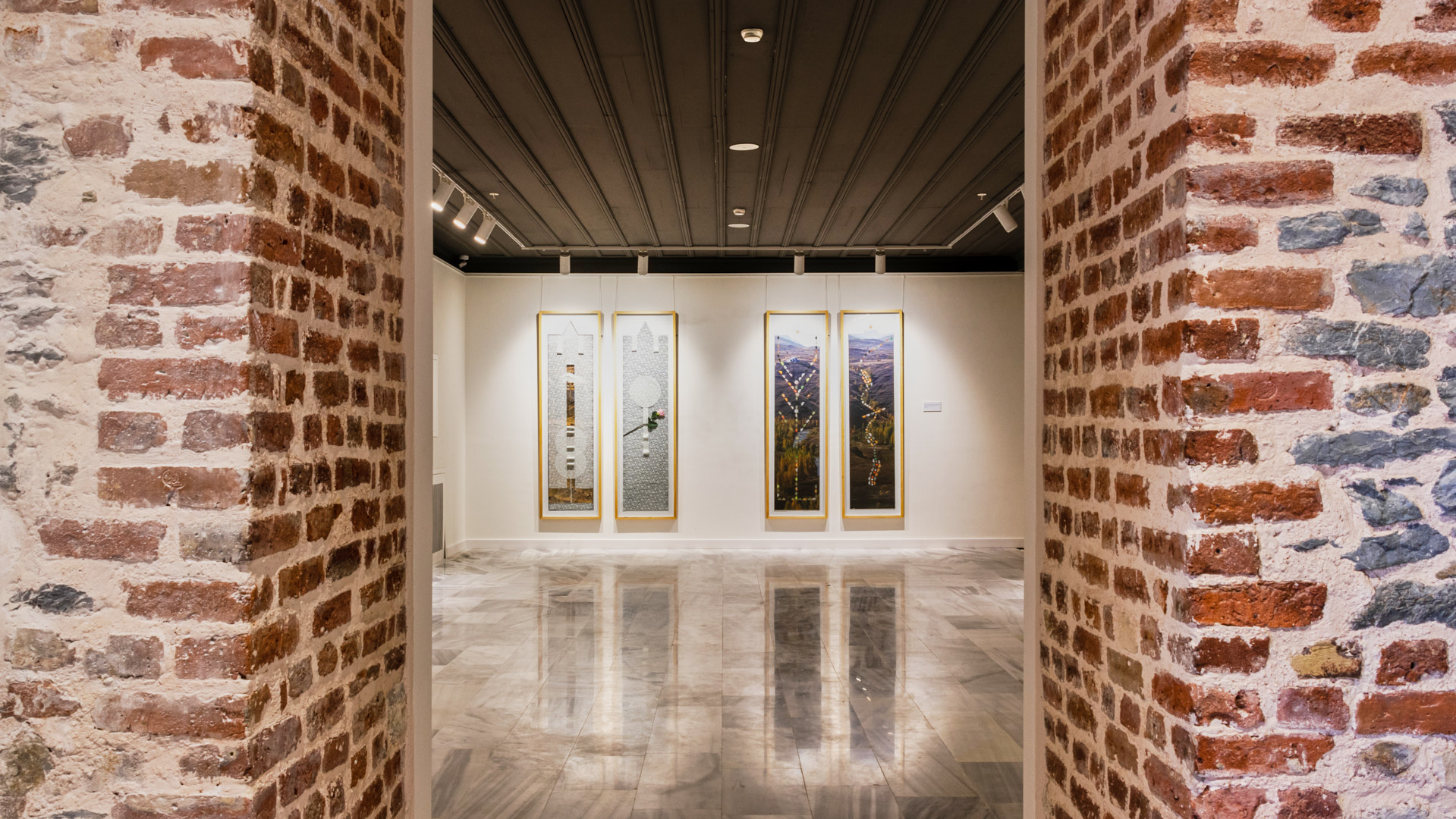
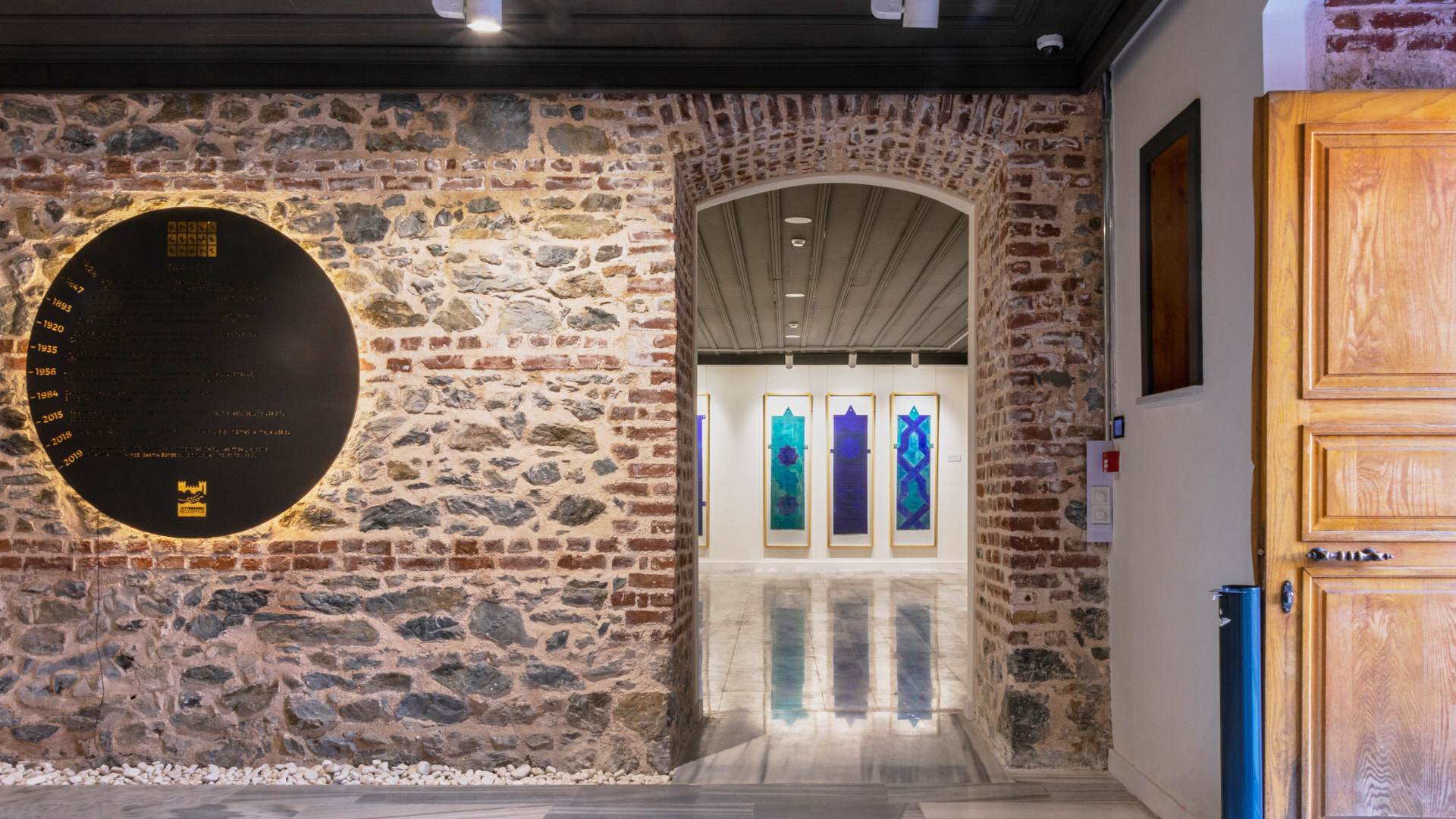
The construction system is masonry. On the ground floor, the load-bearing walls are made of natural stone up to the plinth level. The upper portions of the ground floor walls are built in an alternating pattern of two courses of brick and three courses of rough-hewn stone. All first-floor walls are made entirely of brick.
The plan layout is identical on both floors. The four corner rooms open directly onto the main corridor, while the paired rooms beside them open onto secondary corridors, which in turn connect back to the main circulation spine.
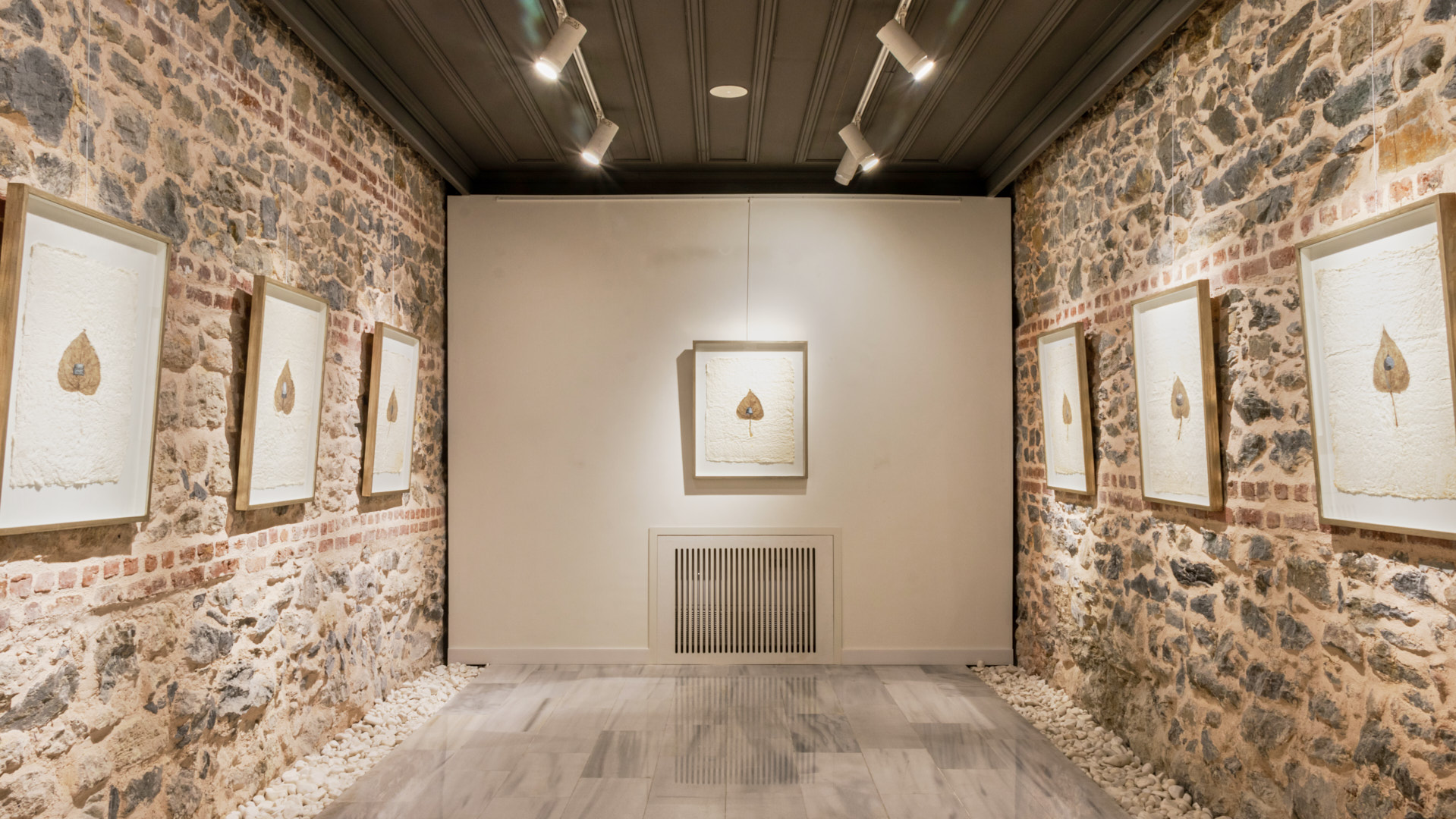
Due to irreversible structural damage caused by past repairs, the restoration proposal required solutions that diverged from a direct restitution approach. The objective was to prepare an adaptive reuse project that would preserve the architectural character of the building while supporting both its existing administrative function and newly introduced cultural and artistic activities.
The restoration project aimed to protect the building’s original materials and elements and to reconstruct deteriorated components in a manner consistent with the period and architectural character of the structure. In particular, damaged timber ceiling coverings and ornamental ceiling elements were redesigned and reintroduced according to their historical form.
Because the interior floor level had fallen below the rising street level, the entrance steps and ramp were redesigned to ensure accessible entry for all users. In this publicly accessible building, wet areas were integrated into the existing stair core. One of the staircases that once connected the ground and first floors had been removed in earlier periods, and its reconstruction was not included in the project. Instead, the vacant area was reorganized to accommodate an accessible elevator, restrooms, a service kitchenette, and other auxiliary spaces, all within the logic of the original plan scheme.
The upper floor now houses the Mayor’s Office, the Municipal Council Hall, and administrative workspaces. In the Council Hall, the ceiling layout was restored according to its original design, and certain walls were partially removed to create the required spatial continuity. Workspaces were arranged as an open office using glass partitions. The deteriorated ceiling ornamentation of the Mayor’s Office was also redesigned in alignment with the period aesthetics and architectural identity of the building.
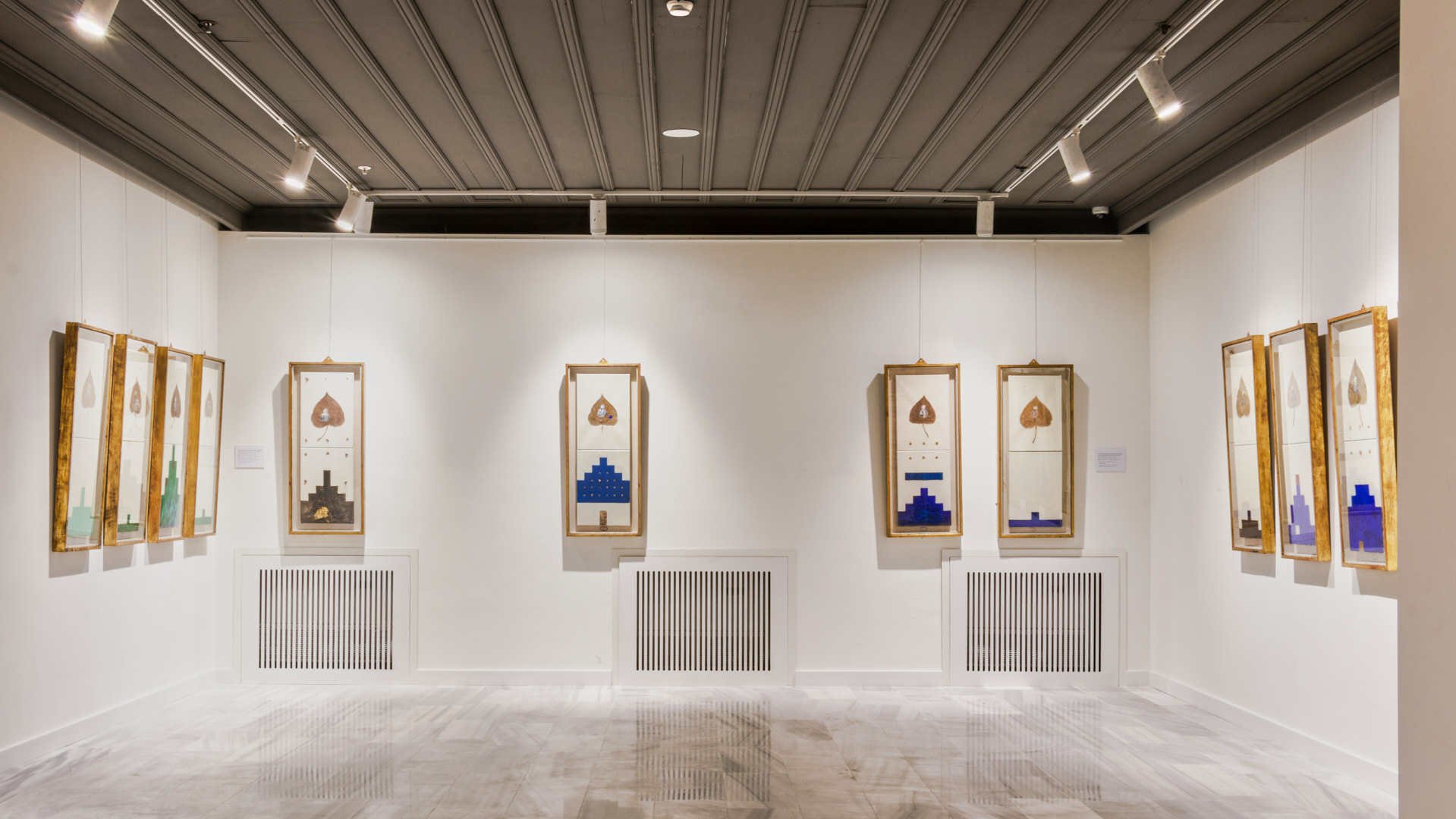
The attic level was transformed into exhibition and storage areas. The existing terraces were preserved, and parapets were reconstructed along the eaves where they historically existed. A concealed gutter system was proposed, and the roof was covered with traditional Turkish tiles. Mechanical and climate control equipment required for the building’s new functions was placed in the roof space.
During construction, the primary approach was to remove incompatible additions that disrupted the building’s original fabric, intervene where necessary to ensure the long-term survival of the structure, and ensure that all interventions respected both the period character and the architectural integrity of the building. All applications were carried out in accordance with research findings, documentation, excavation work, and analytical studies.
As activities on the parcel continued during construction, the building was secured with heightened safety measures and controlled access.
Location
- İstanbul | TR
Client
- Zeytinburnu Municipality
Land Area
- 15.000 m²
Project Area
- 10.000 m²