Celâleddin Çelik
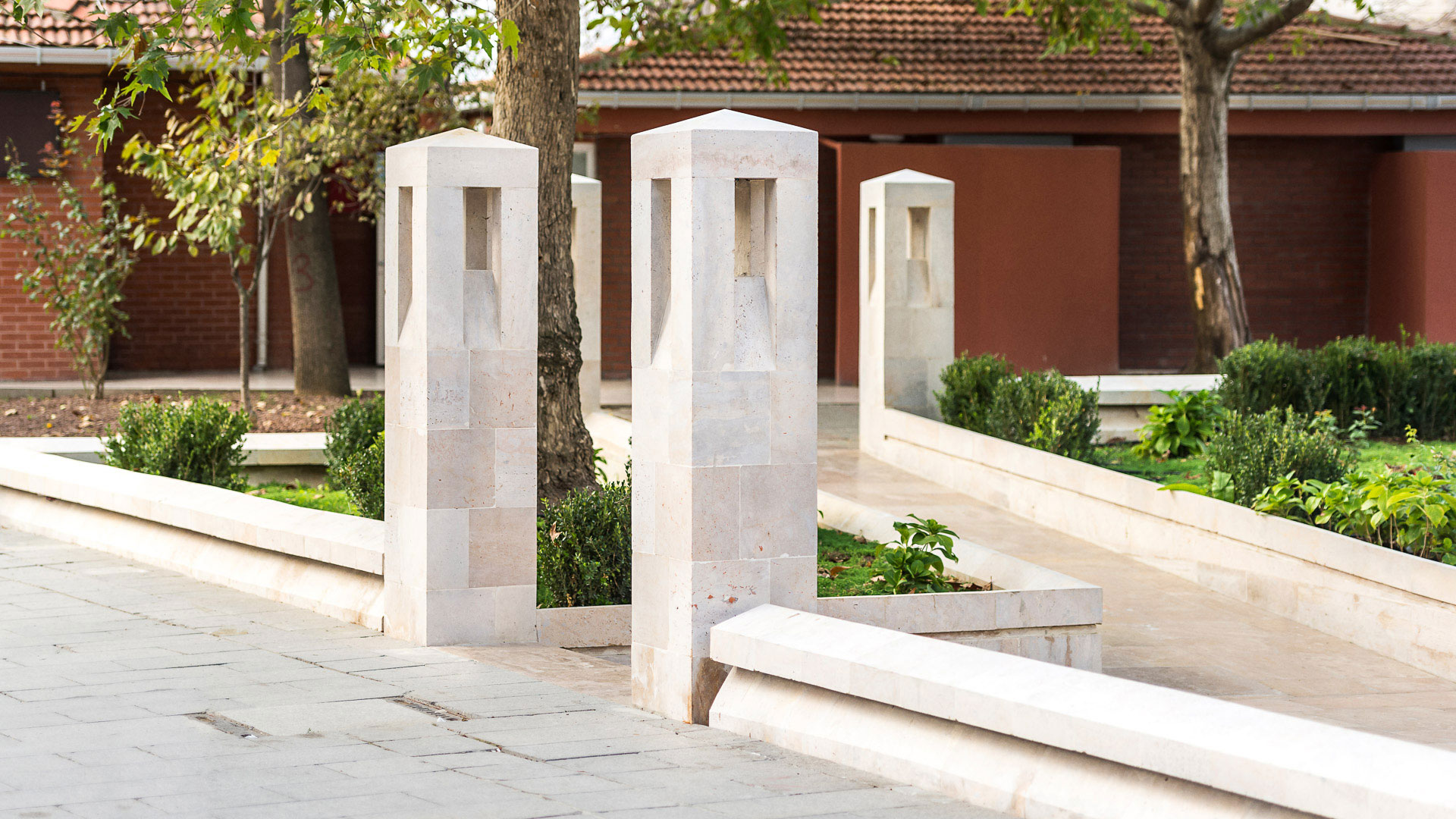
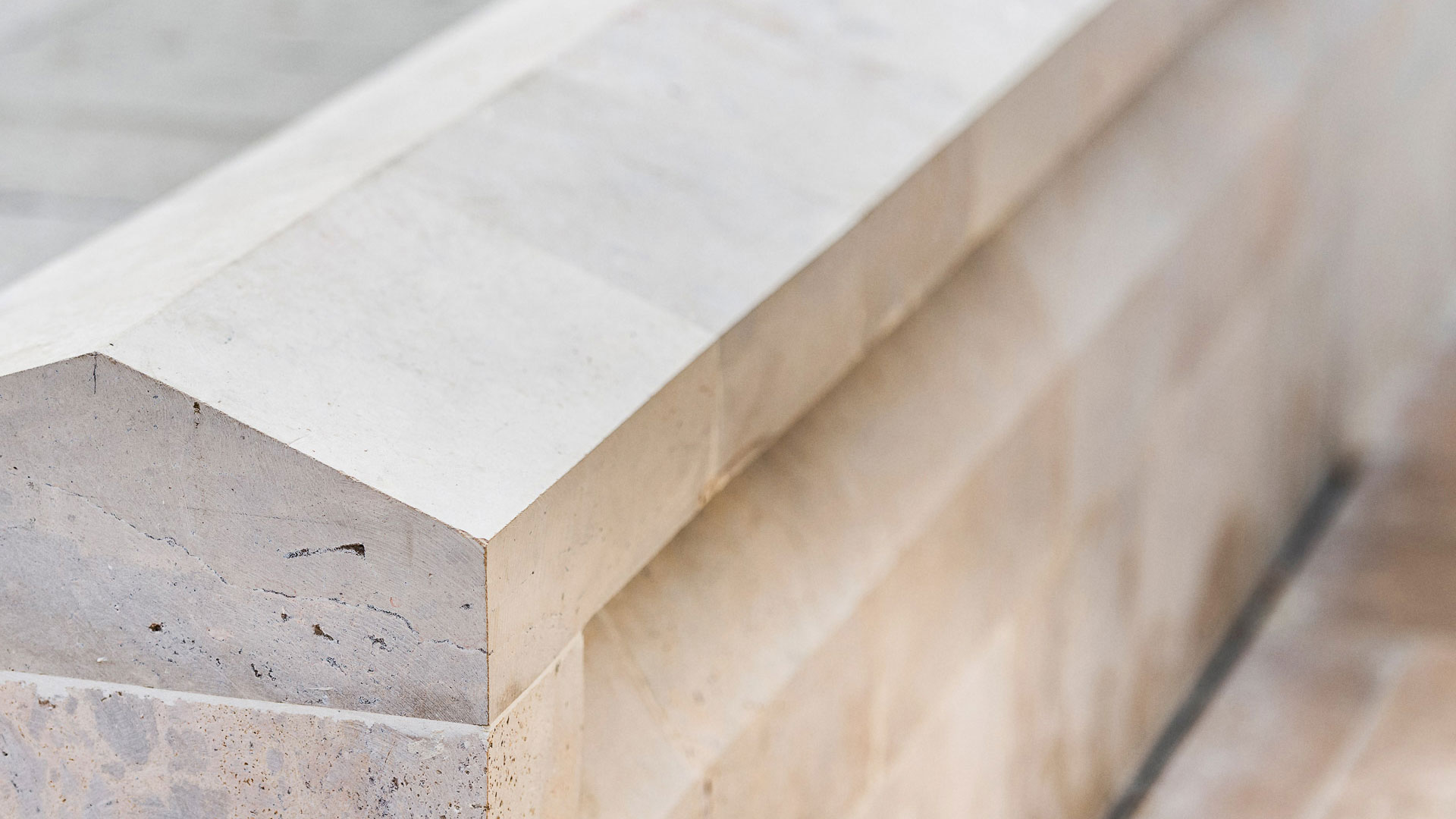
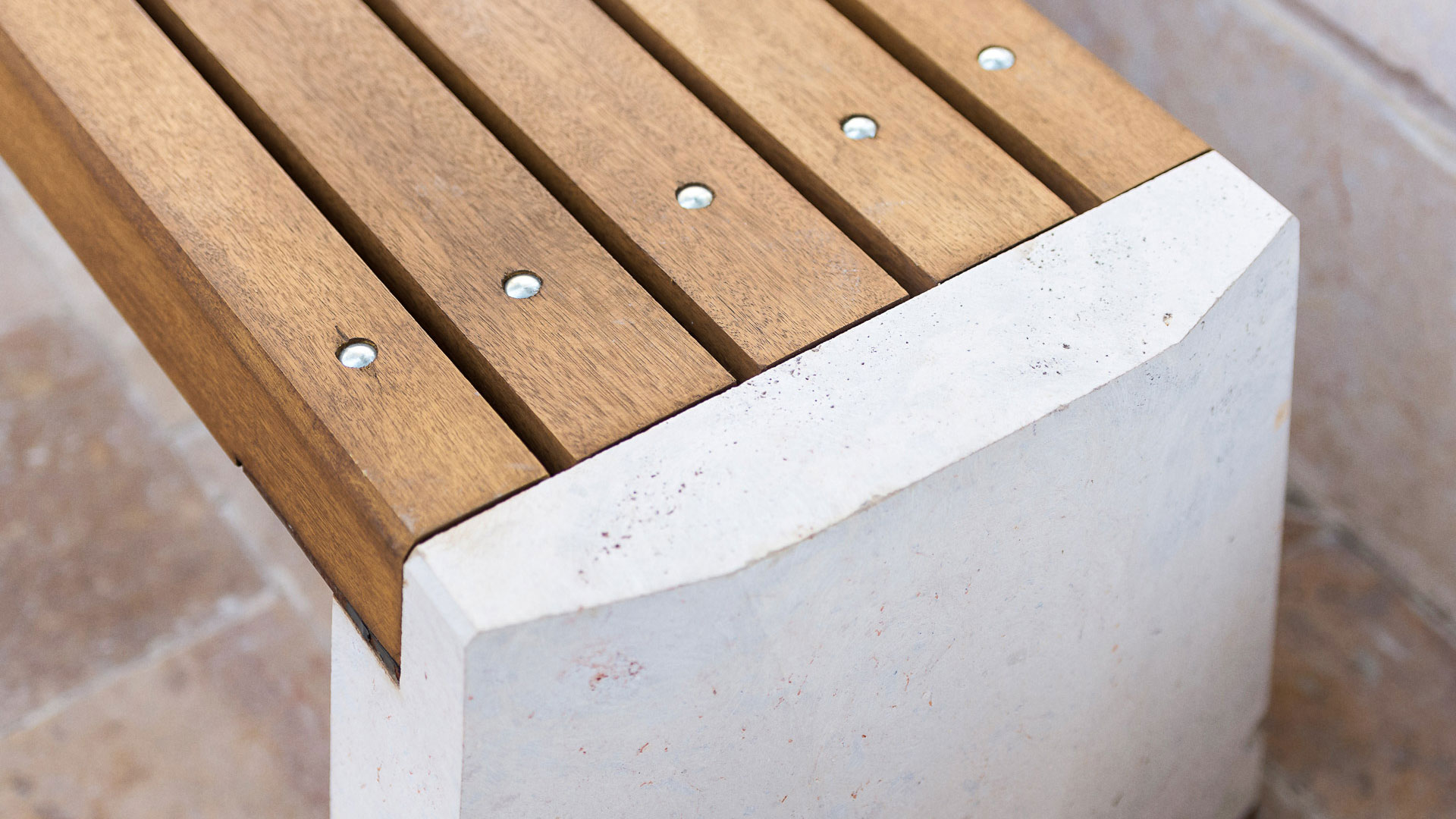
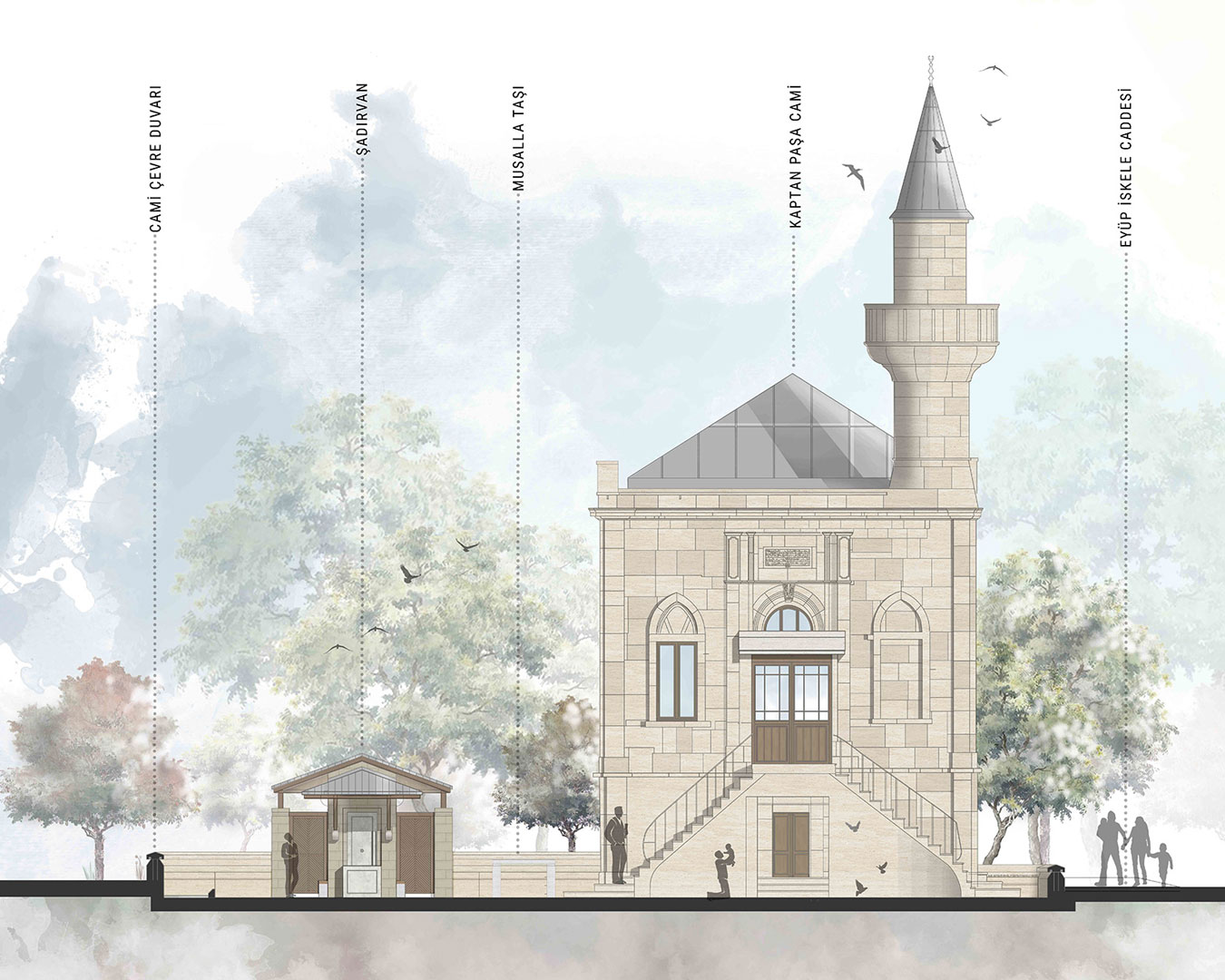
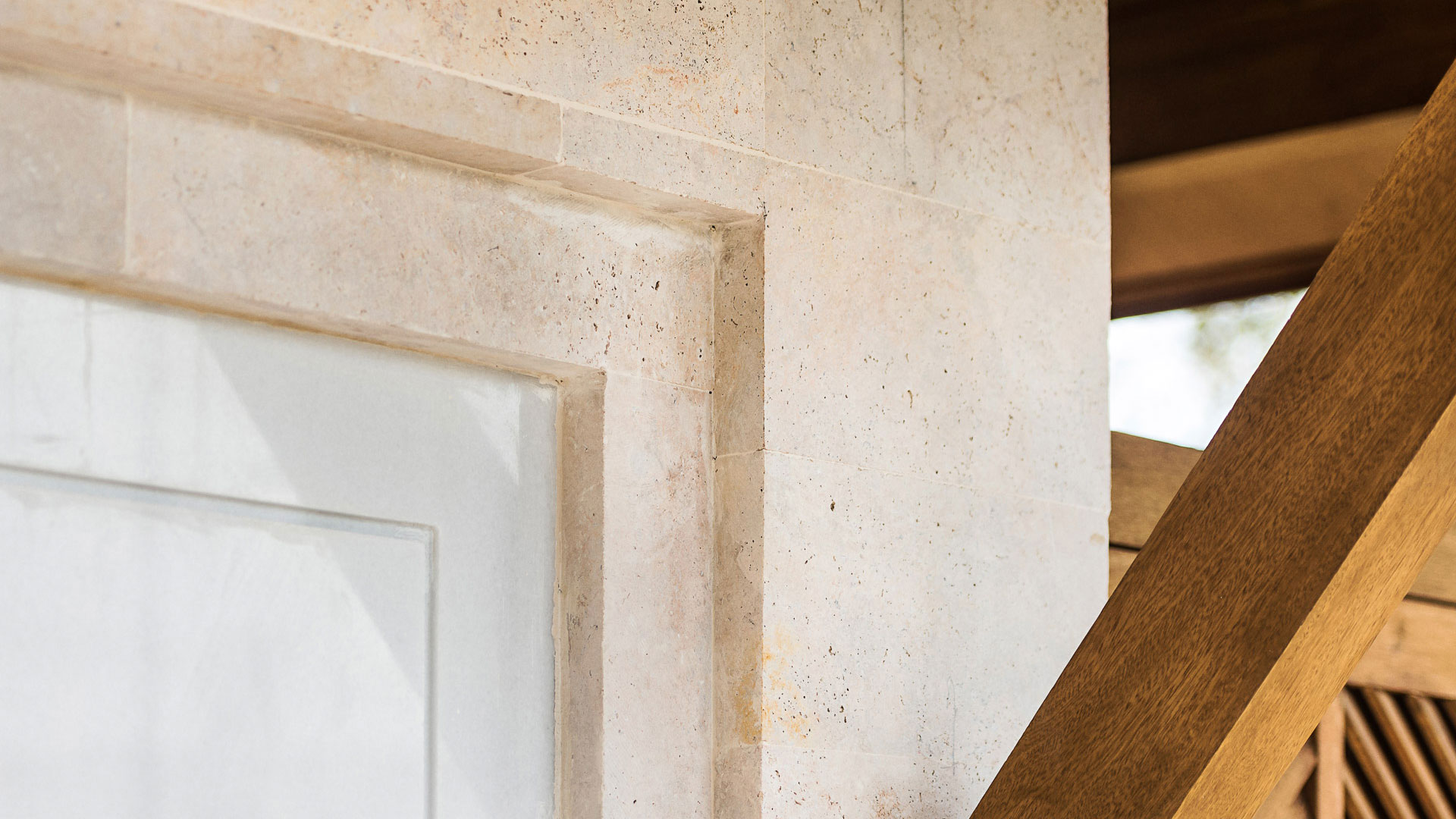
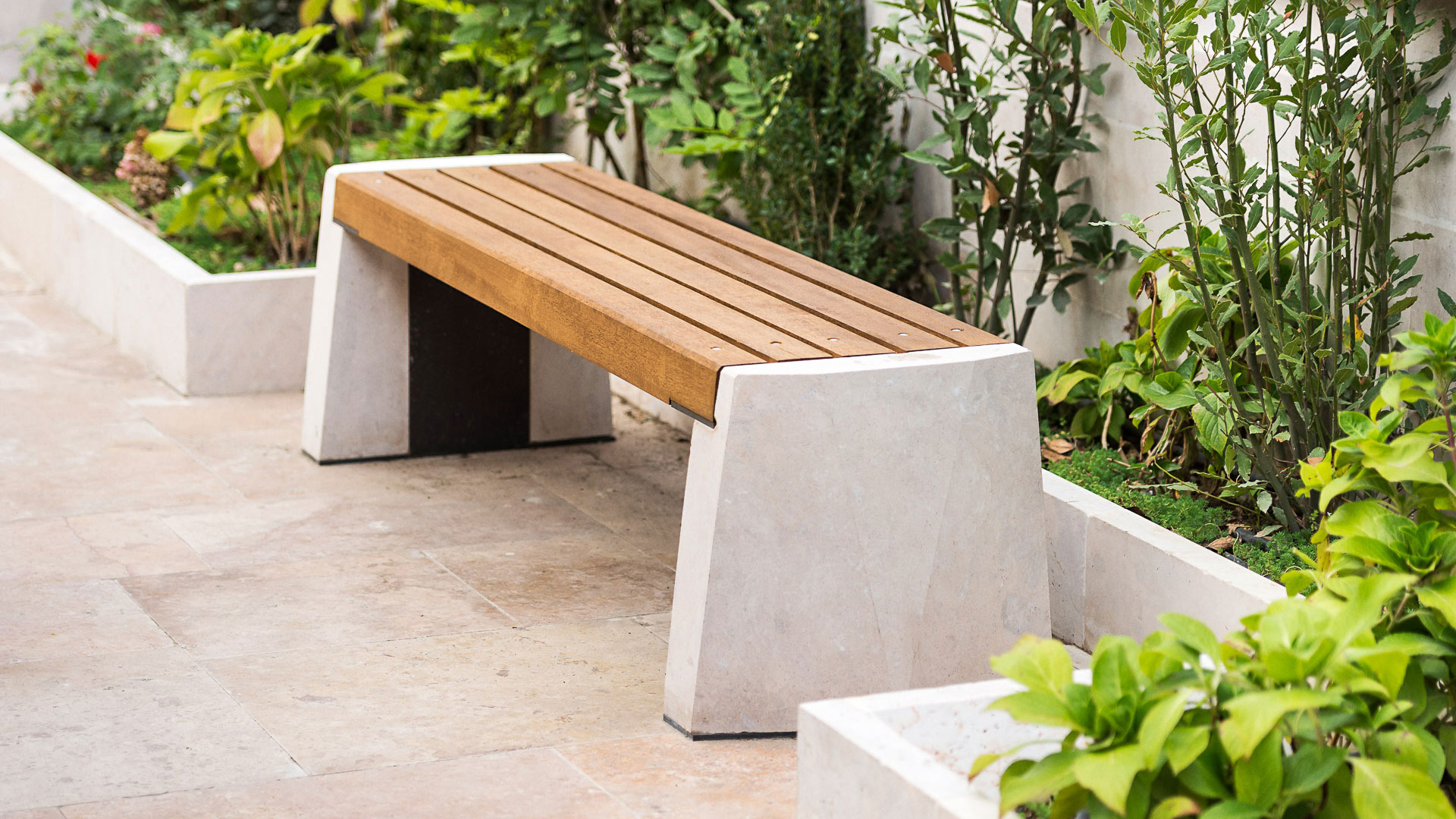
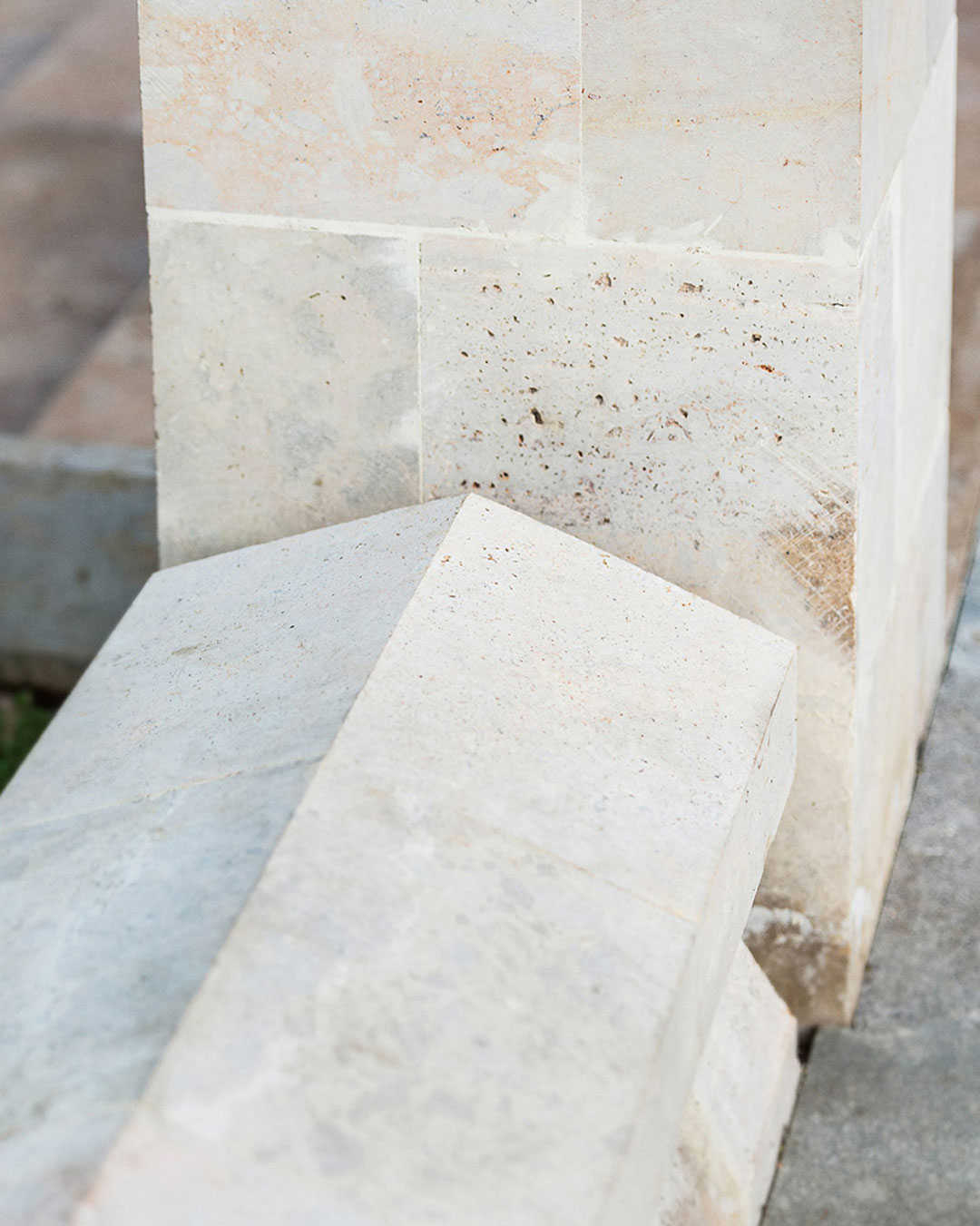
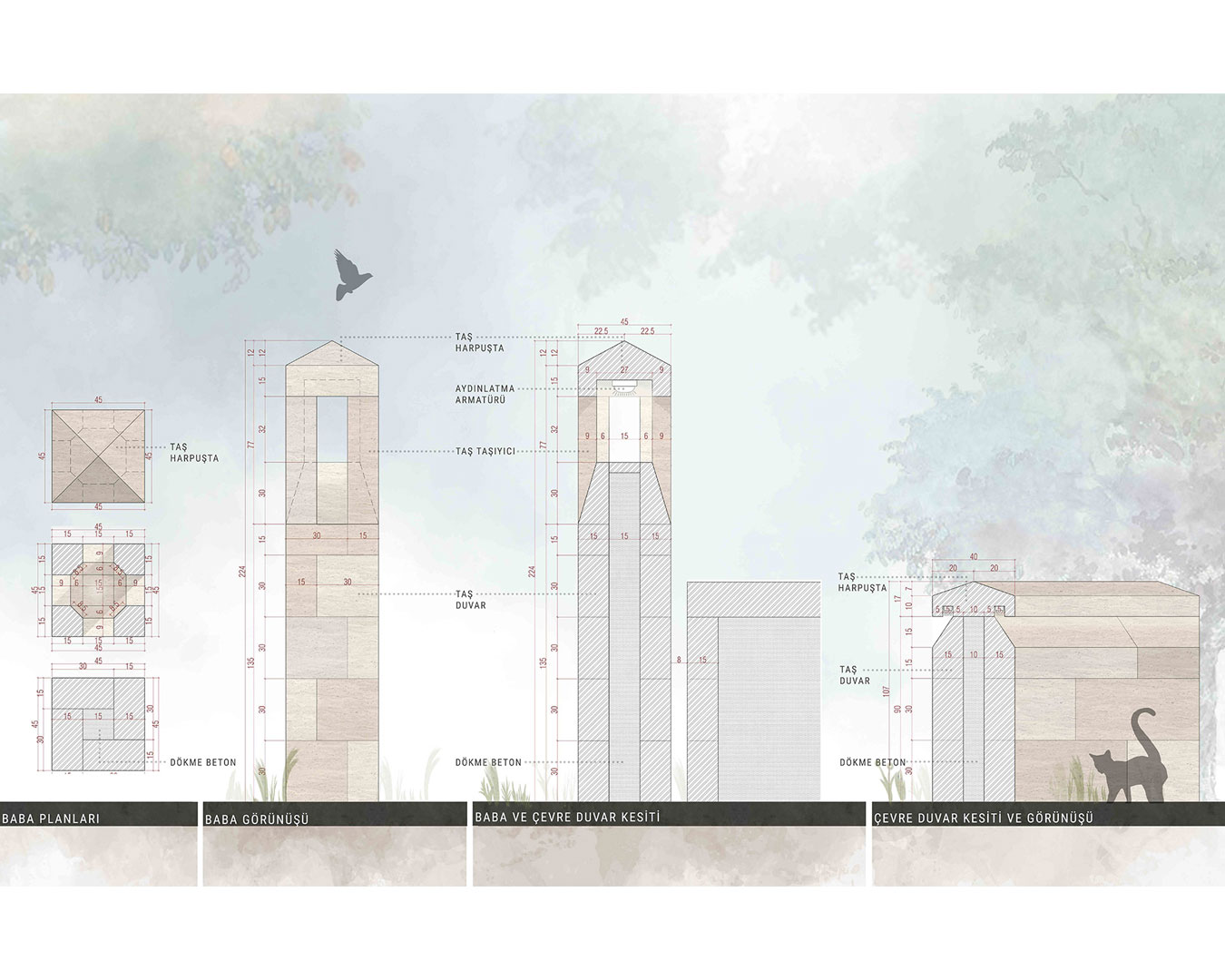
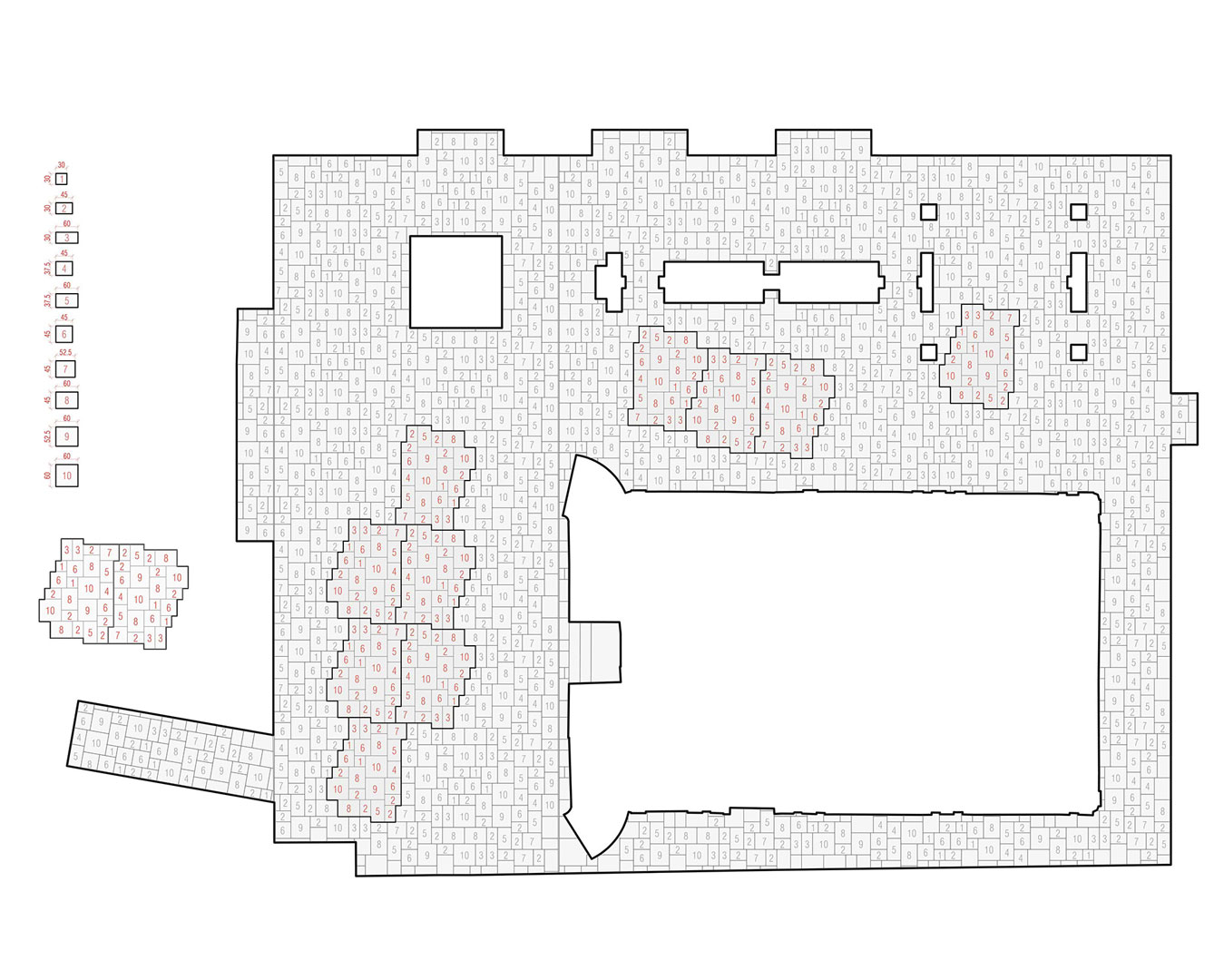
Eyup Kaptanpasa Mosque courtyard is defined by low walls that do not restrict its relationship with the surroundings. These masonry walls are modest in height and softly illuminated. Landscape elements envelop the courtyard, while a paved stone forecourt marks the area in front of the mosque.
Ablution Structure
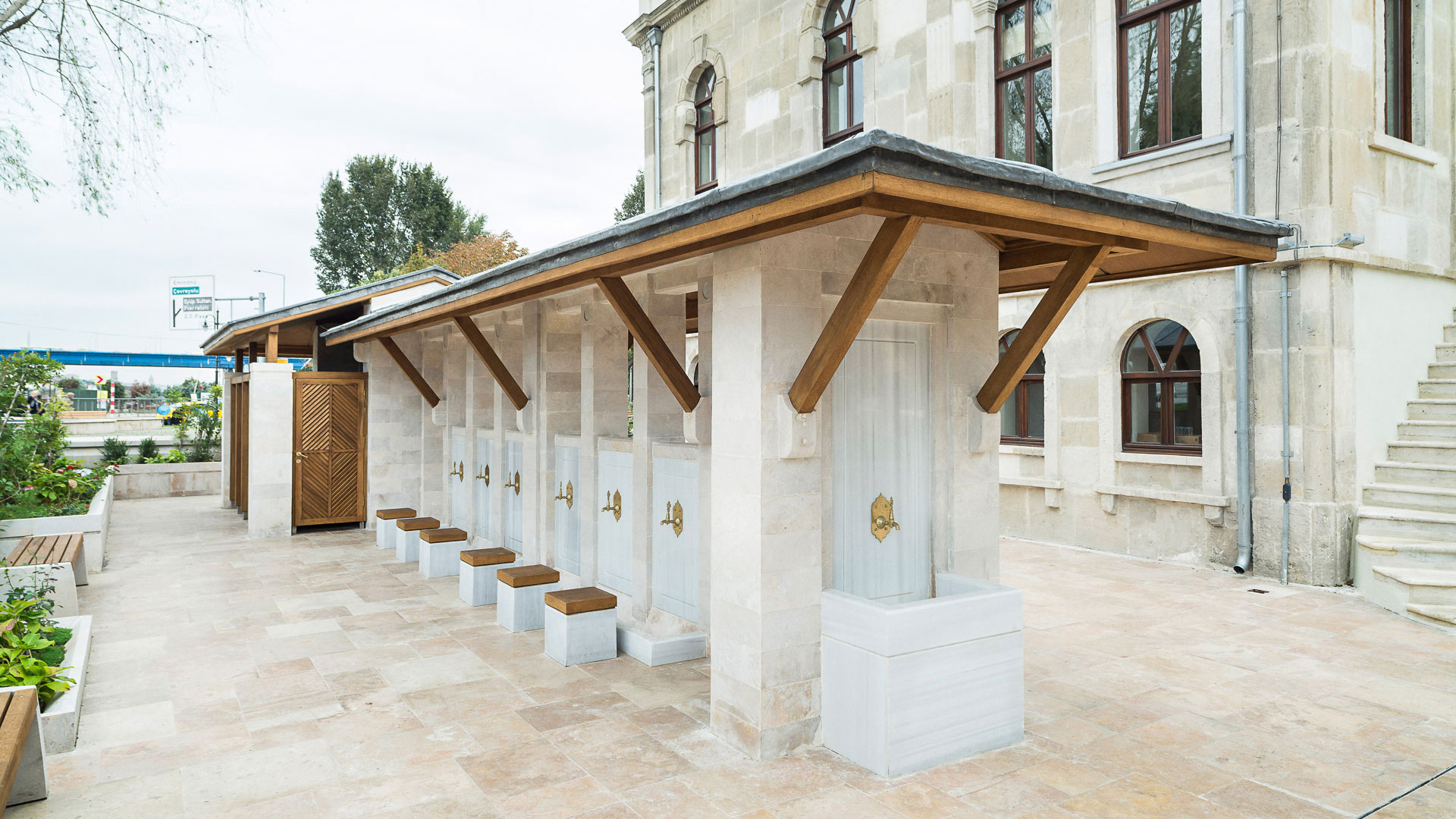
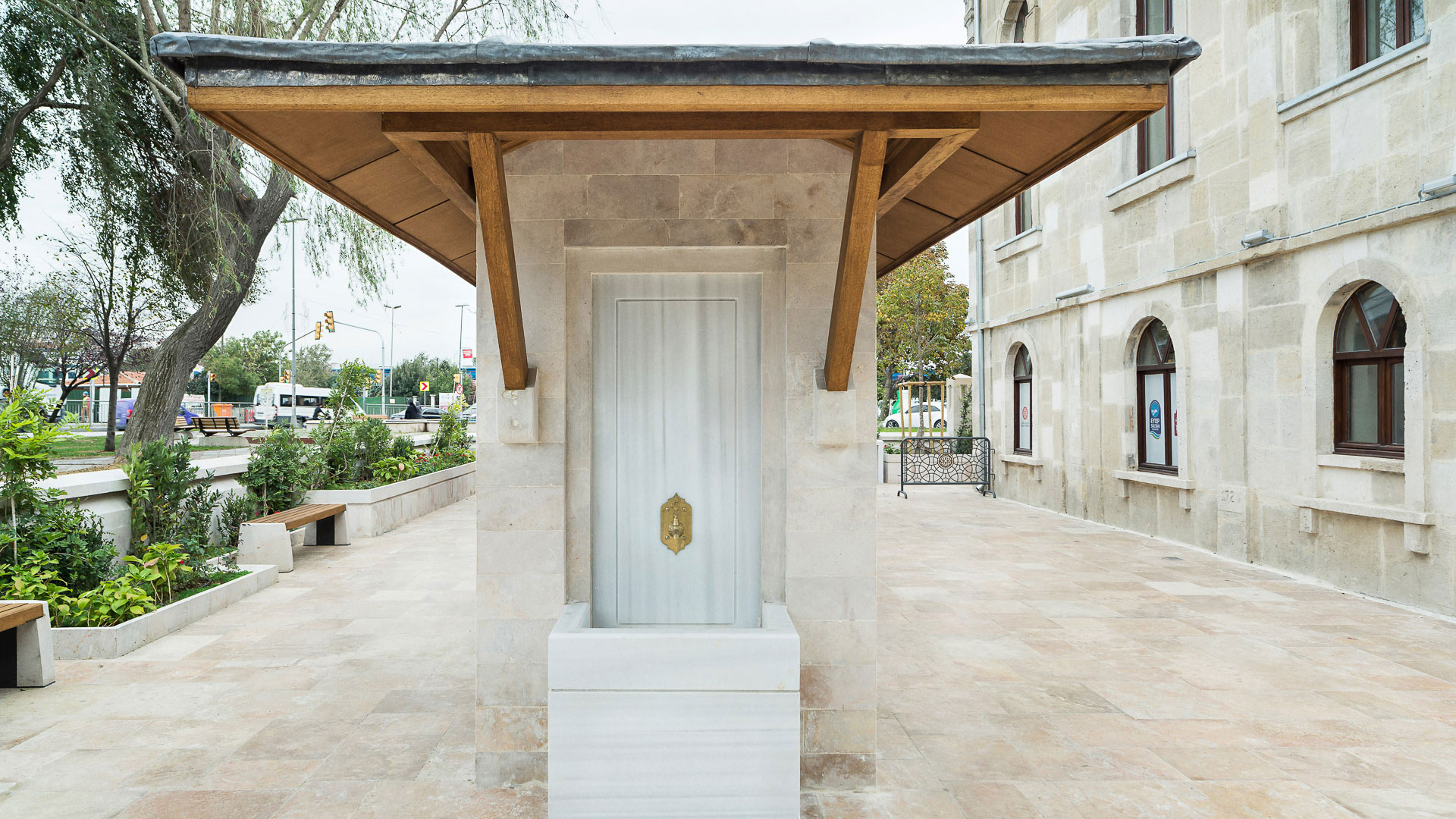
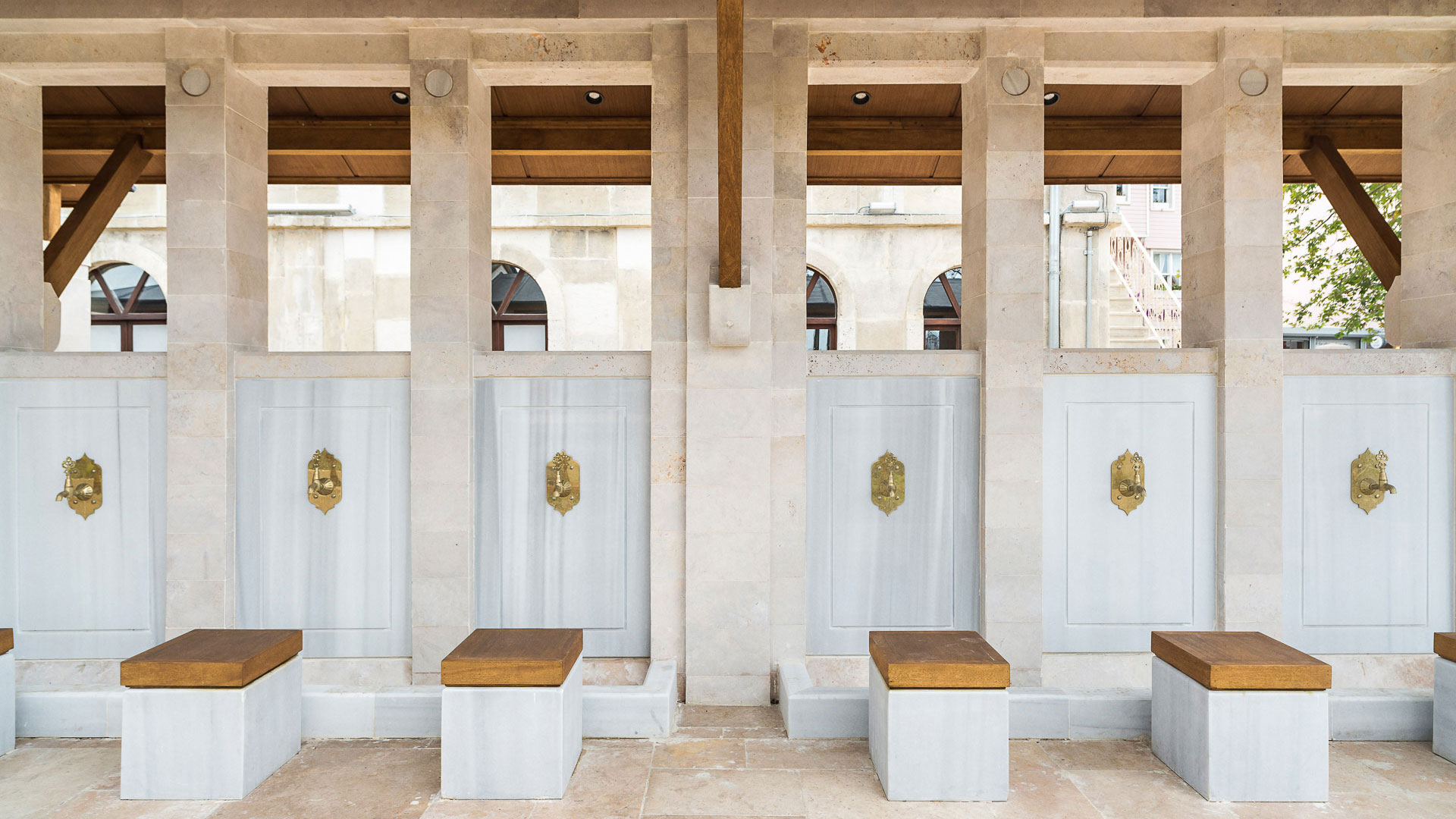
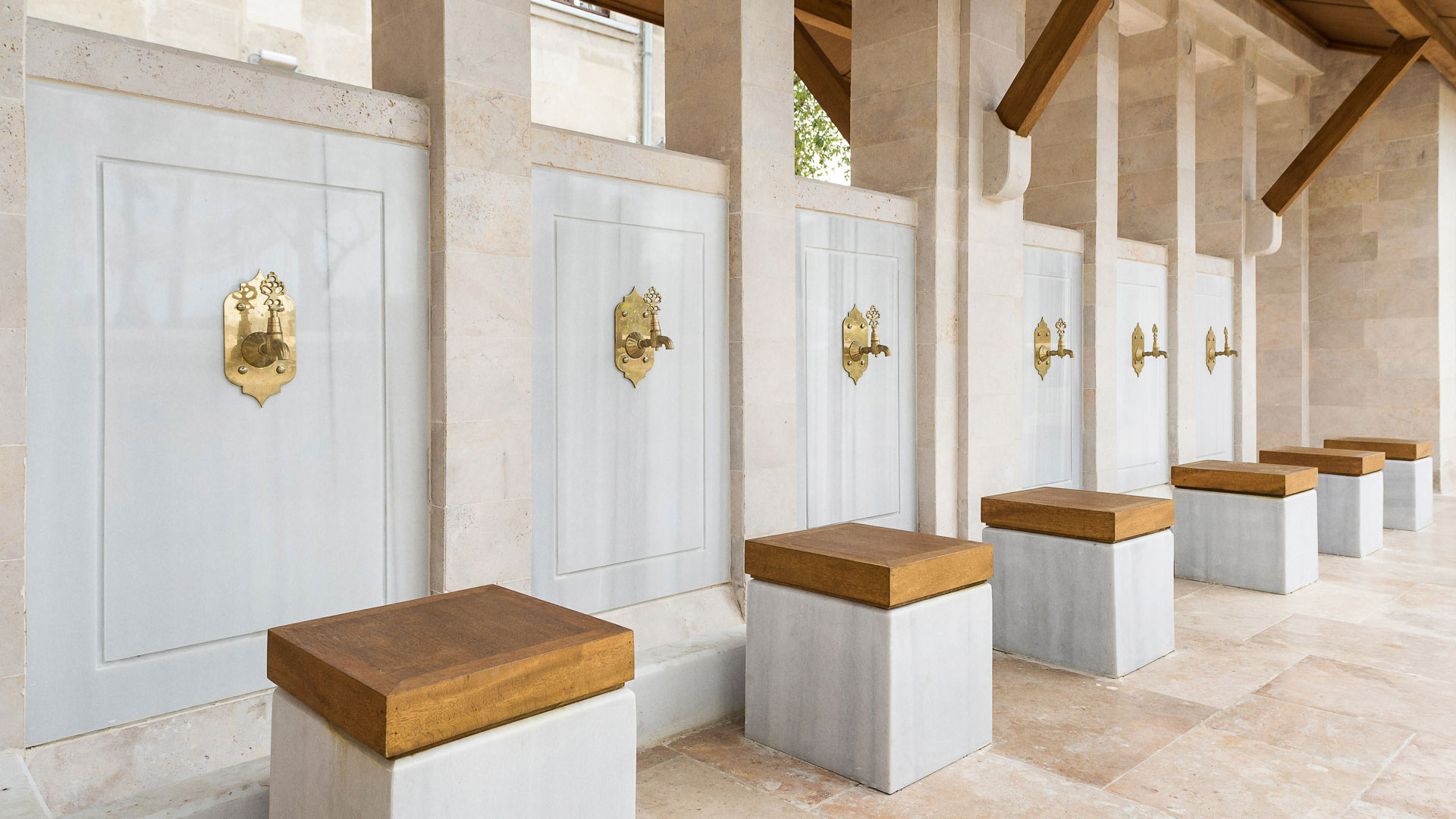
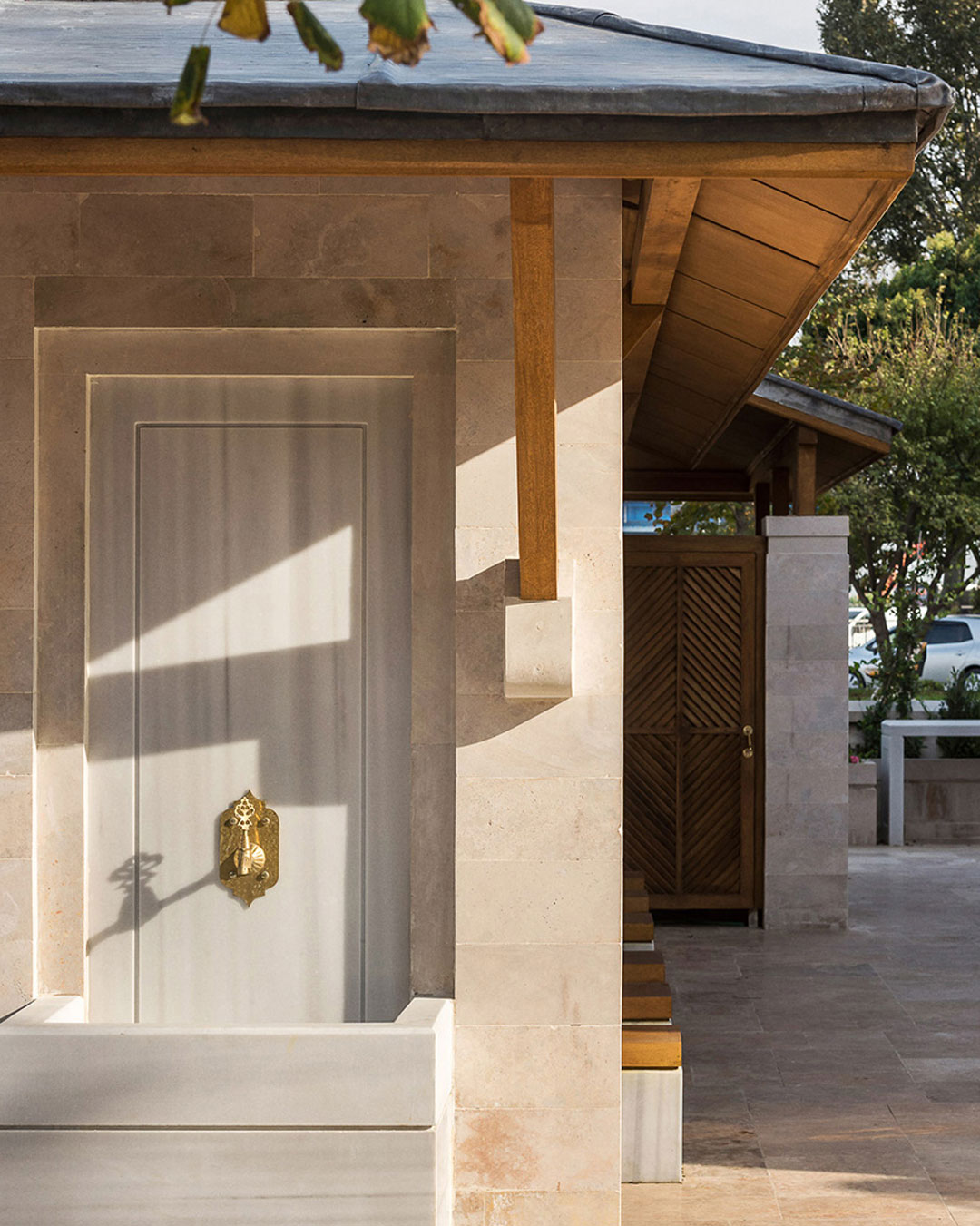
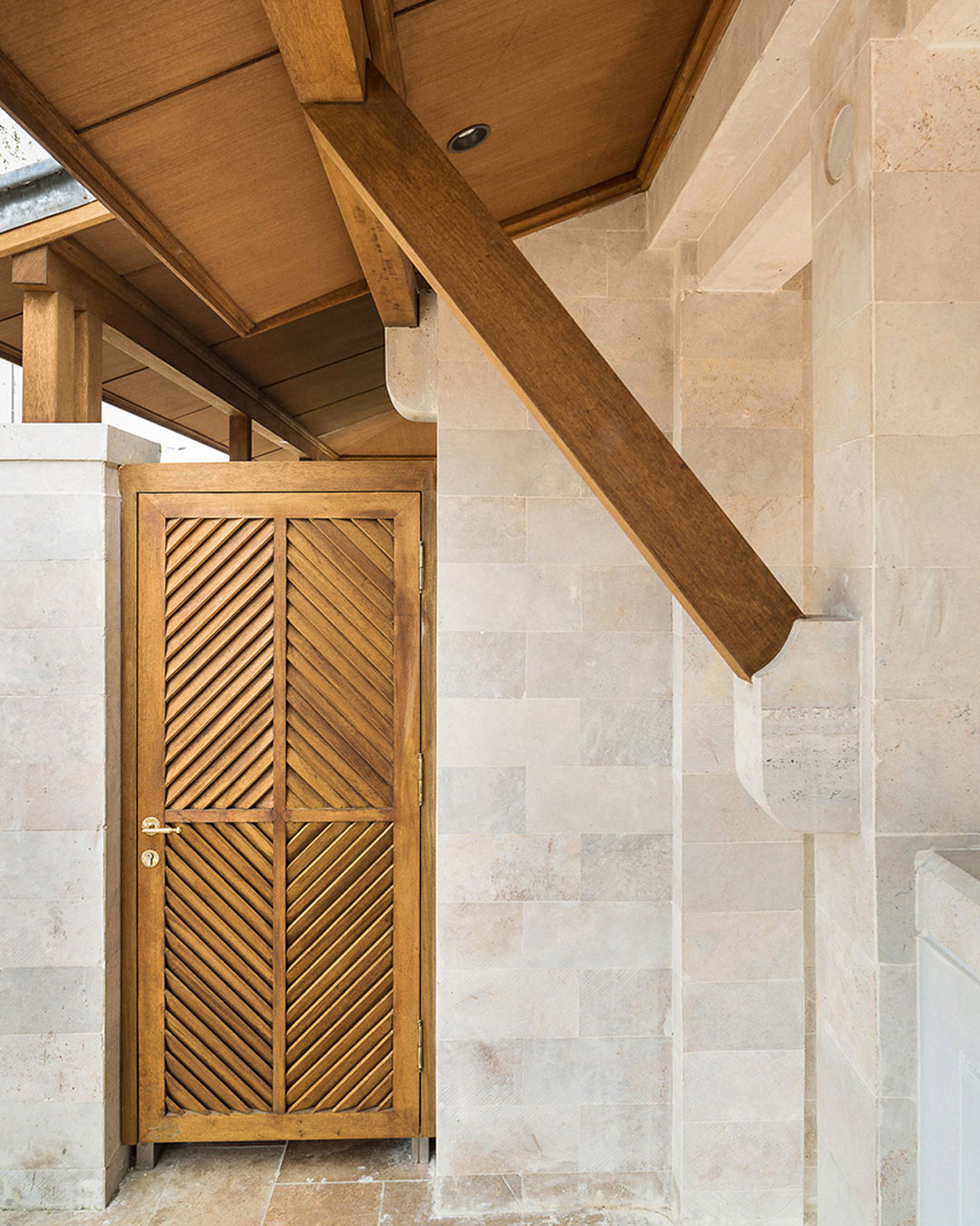
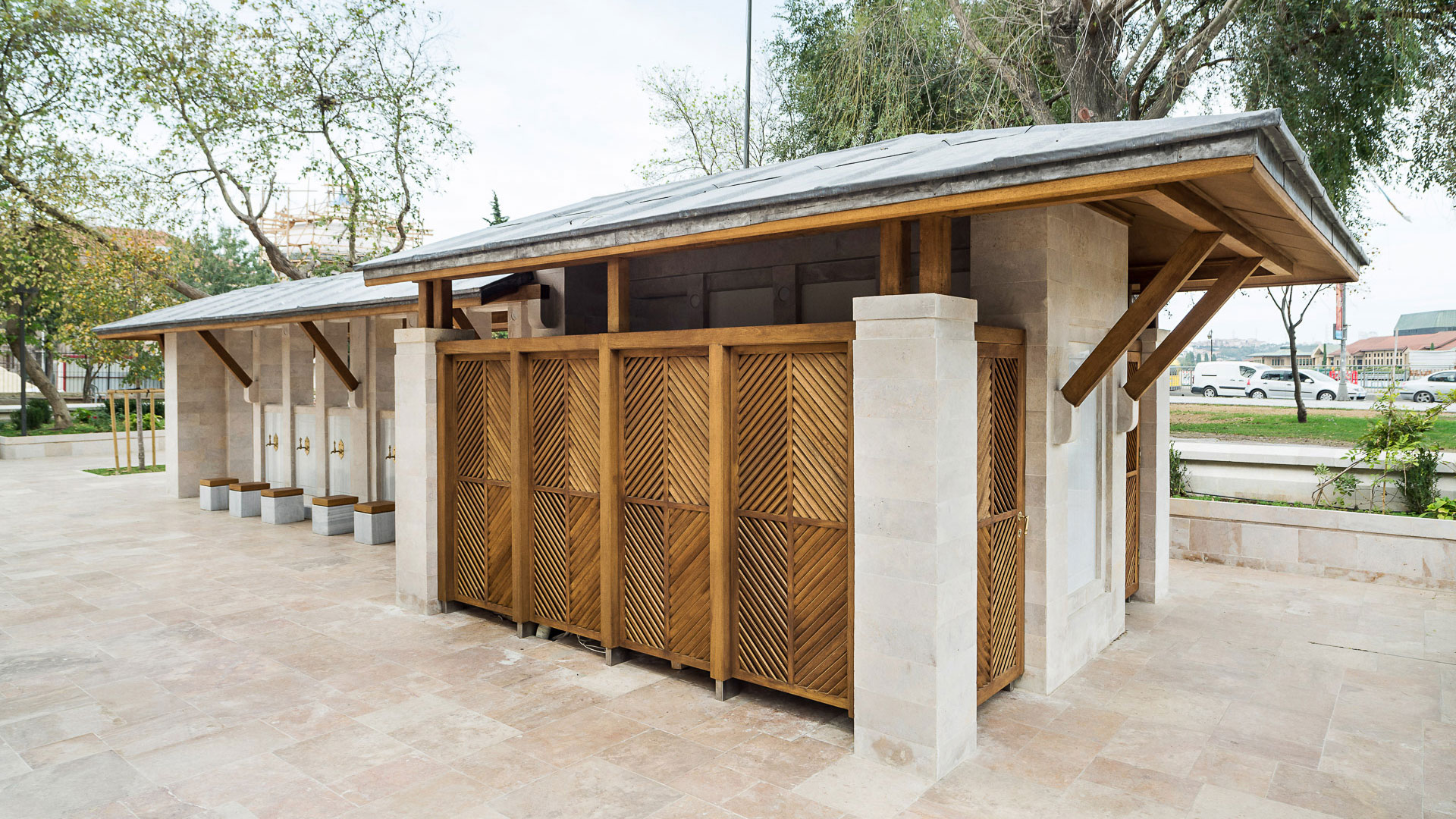
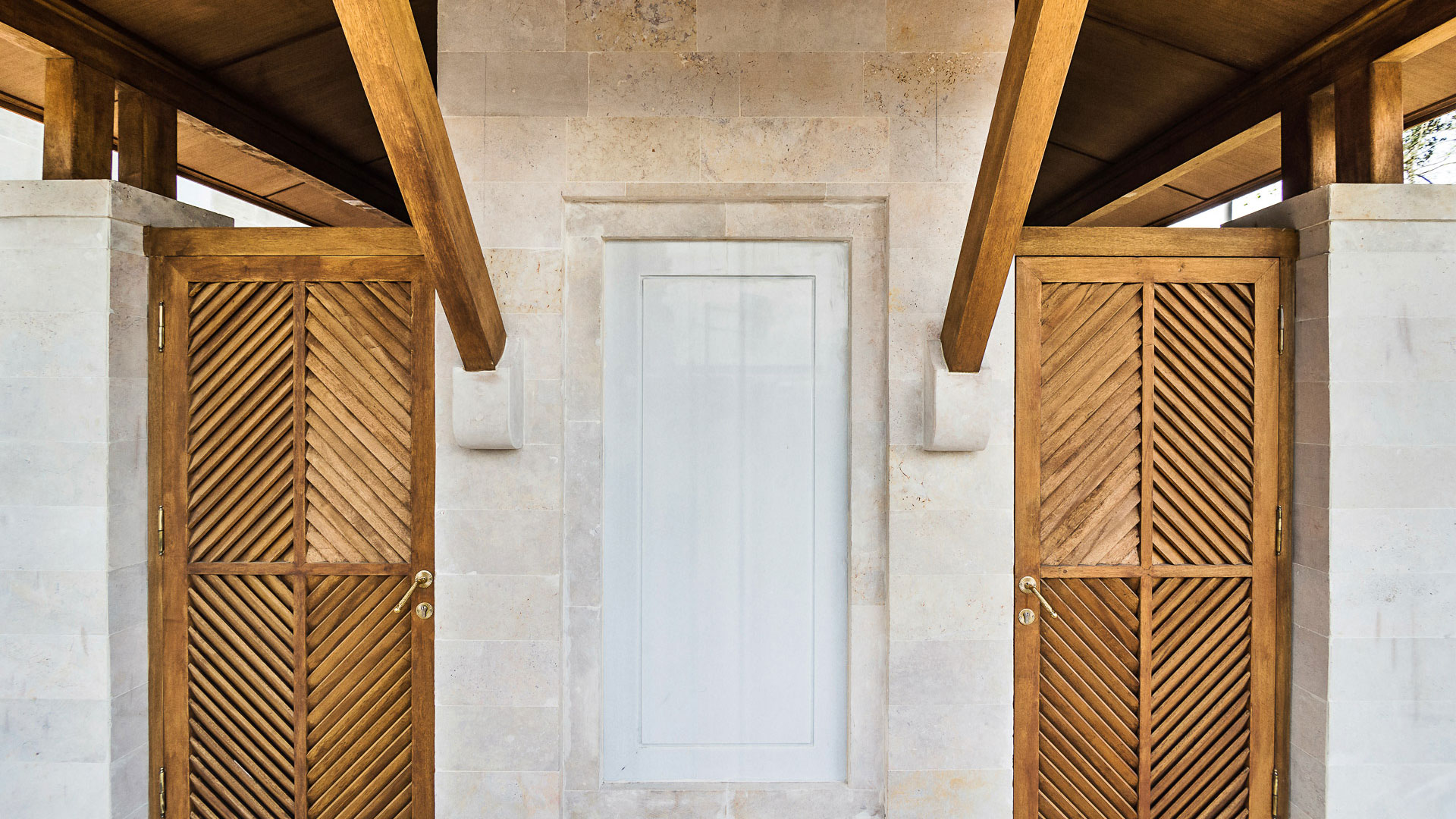
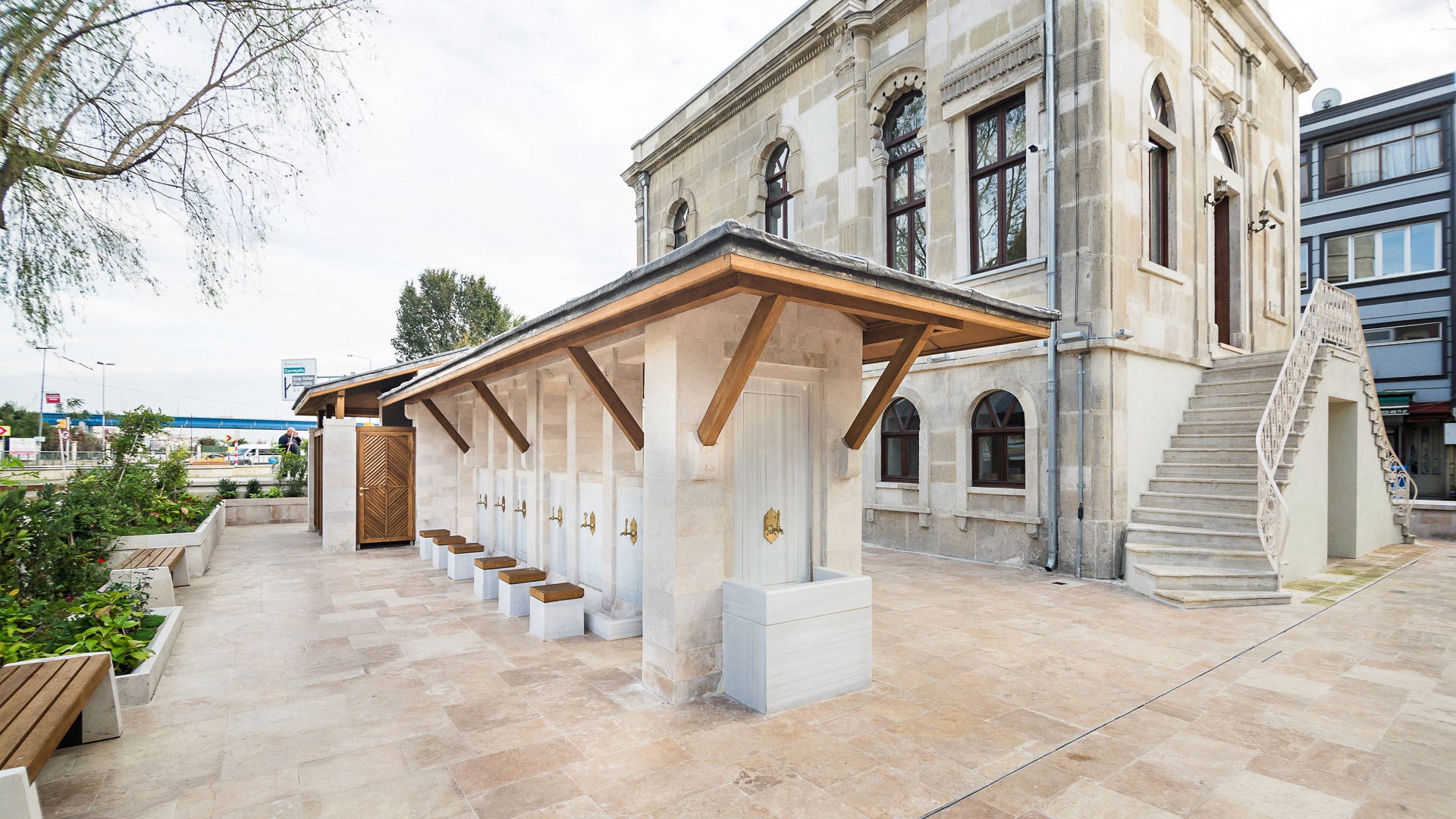
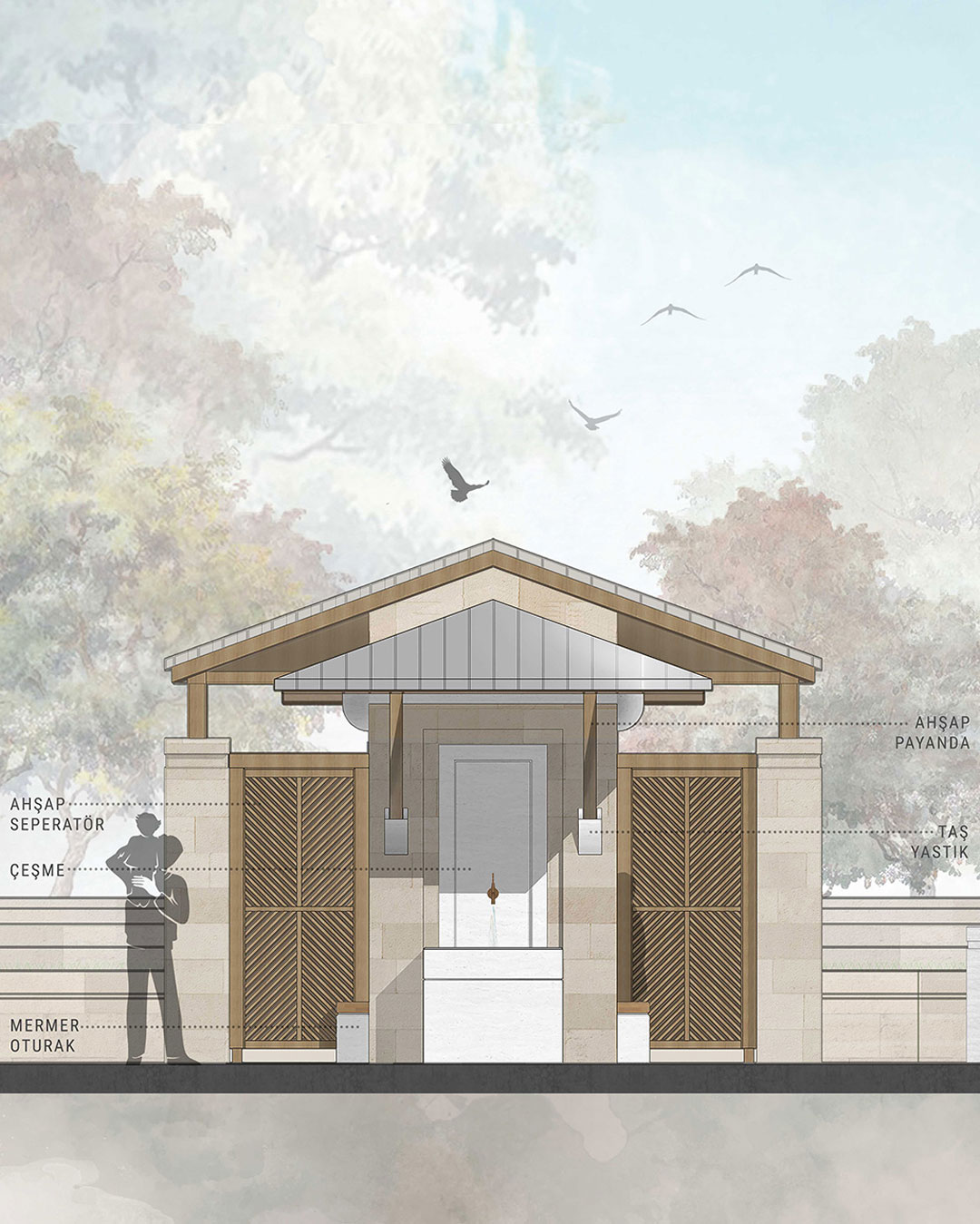
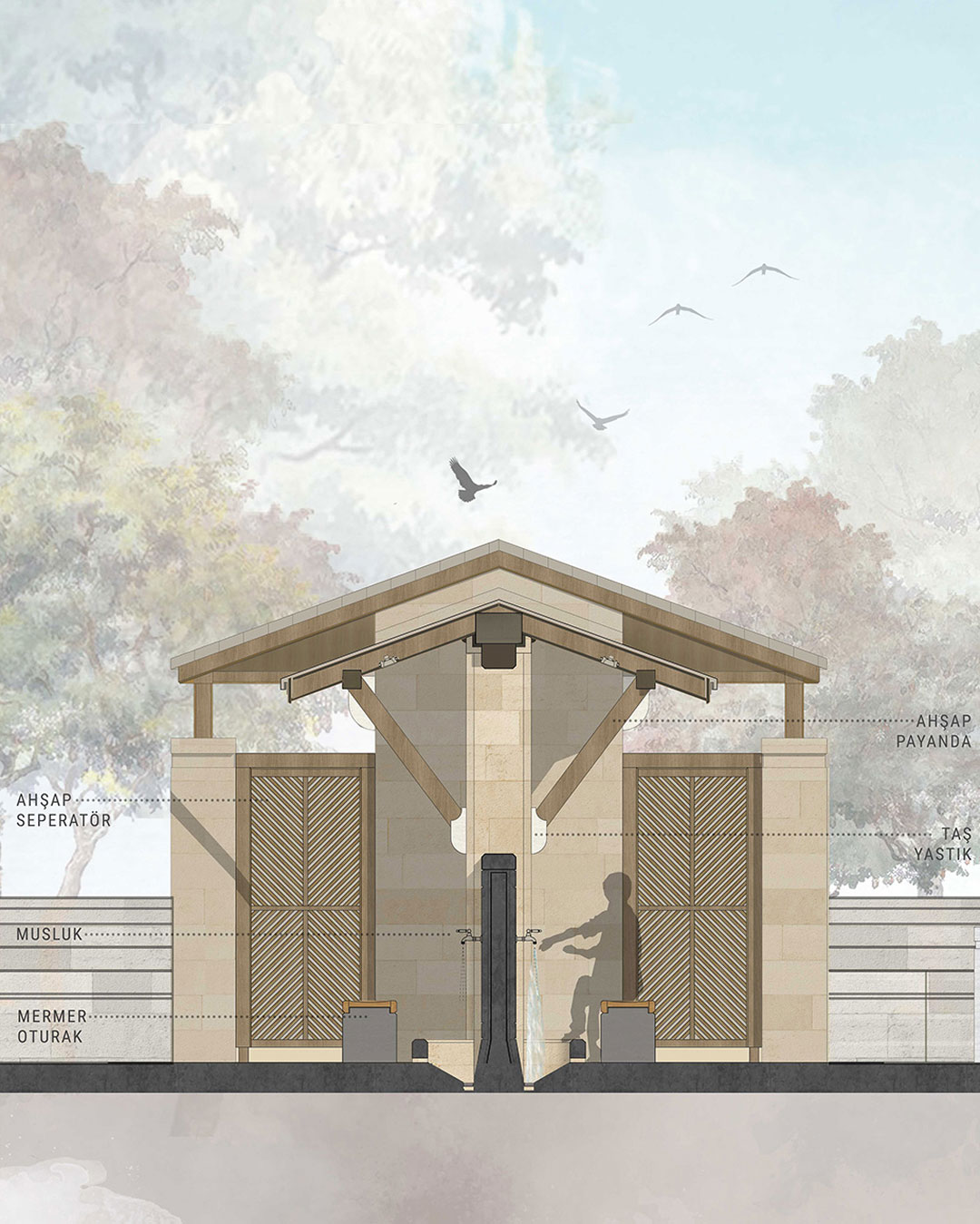
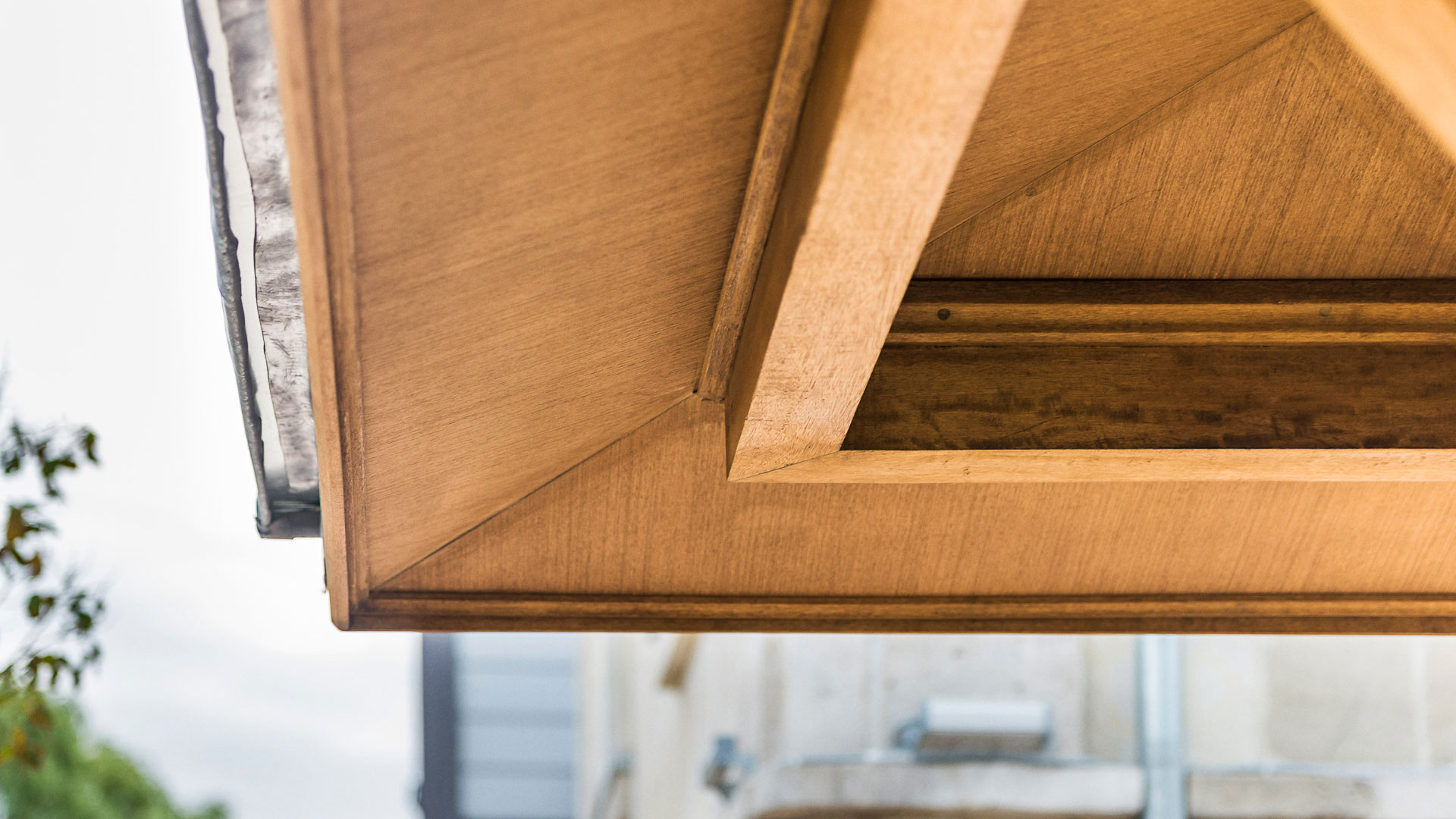
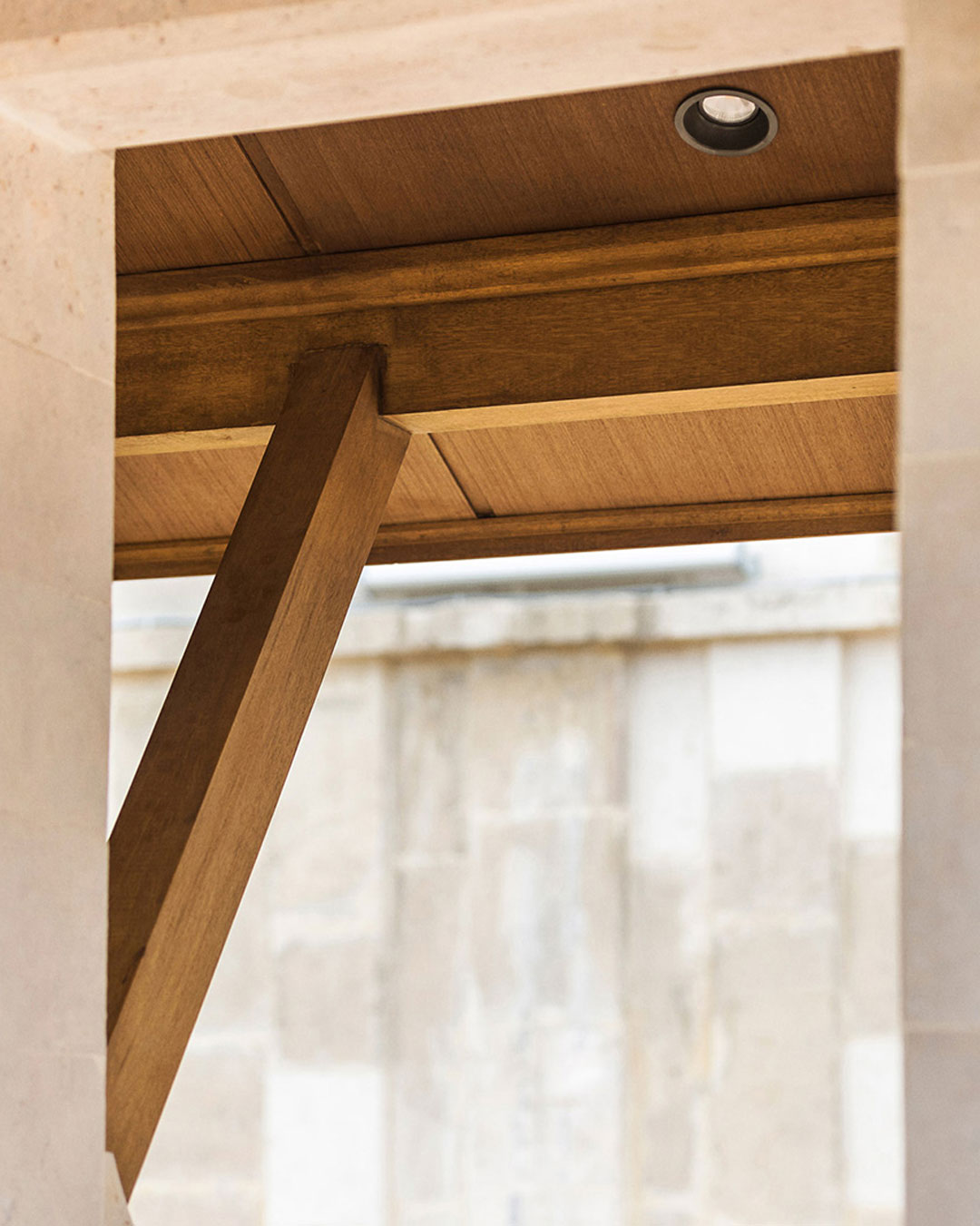
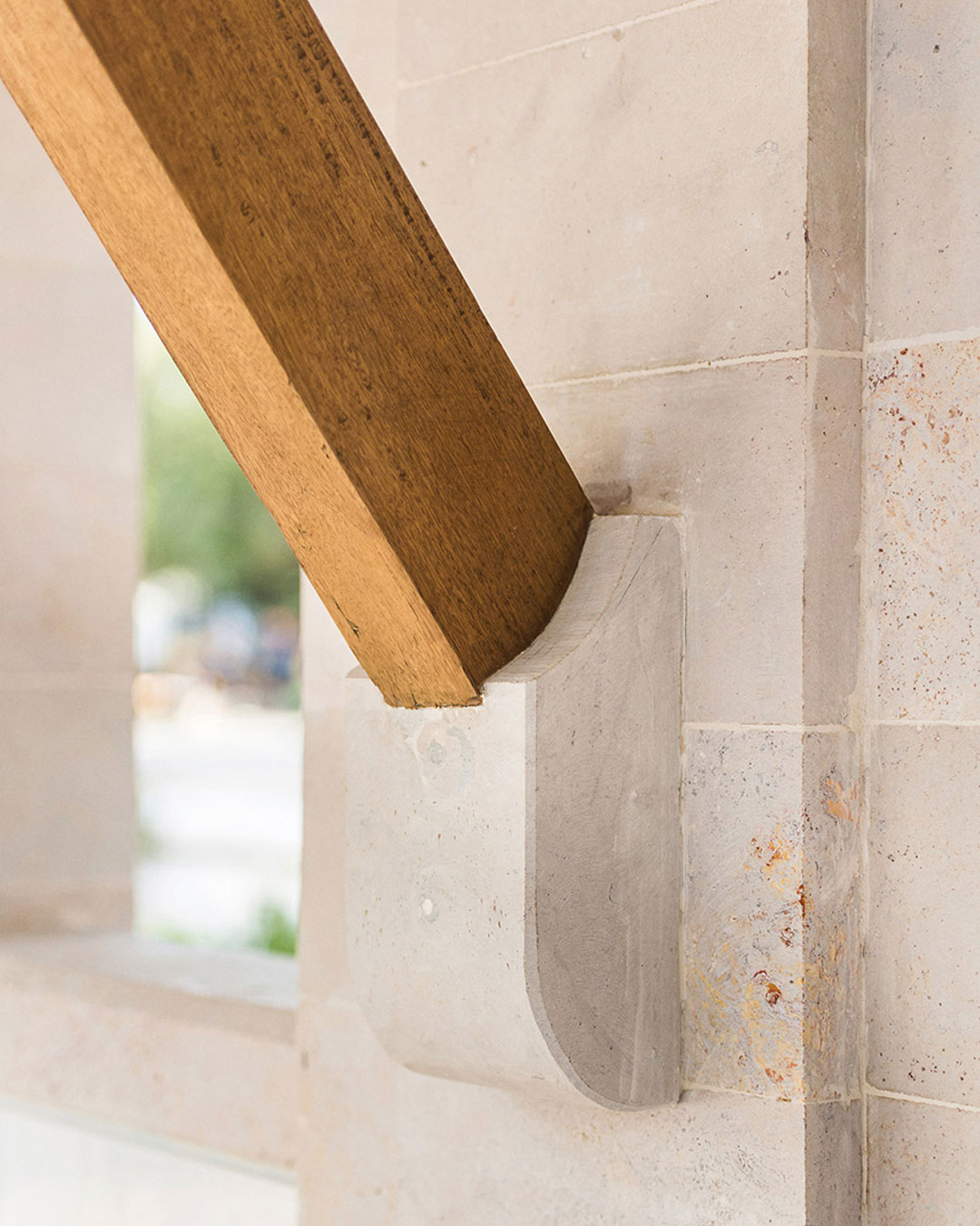
Attached to the side of the mosque, the ablution structure extends linearly along the long edge of the building. It gathers the ablution units beneath a continuous canopy whose permeable architecture visually connects the two sides of the courtyard, while two openings beneath the eaves provide physical passage. Wooden struts genuinely carry the projecting roof, their spacing calibrated to the length of the roof beam.
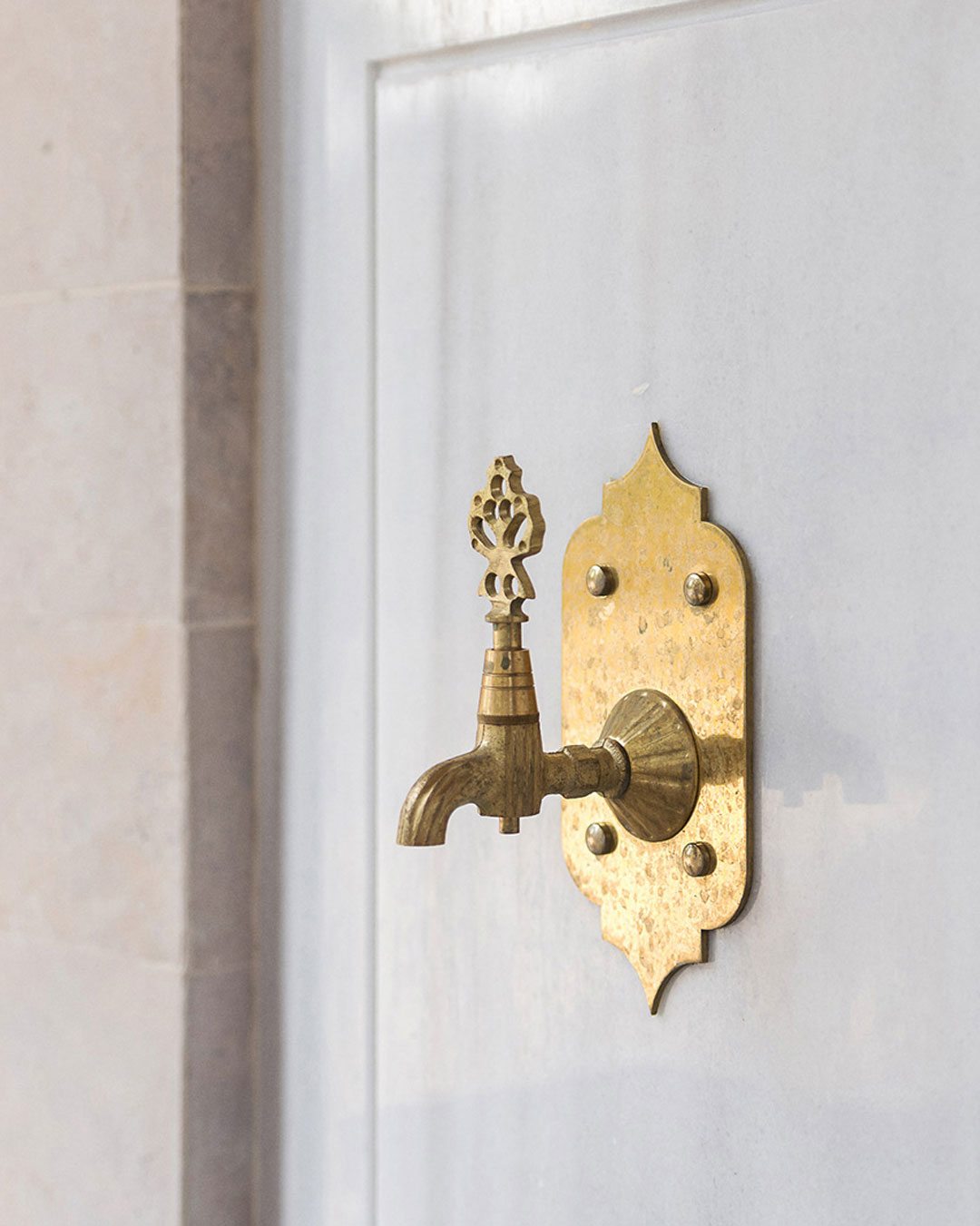
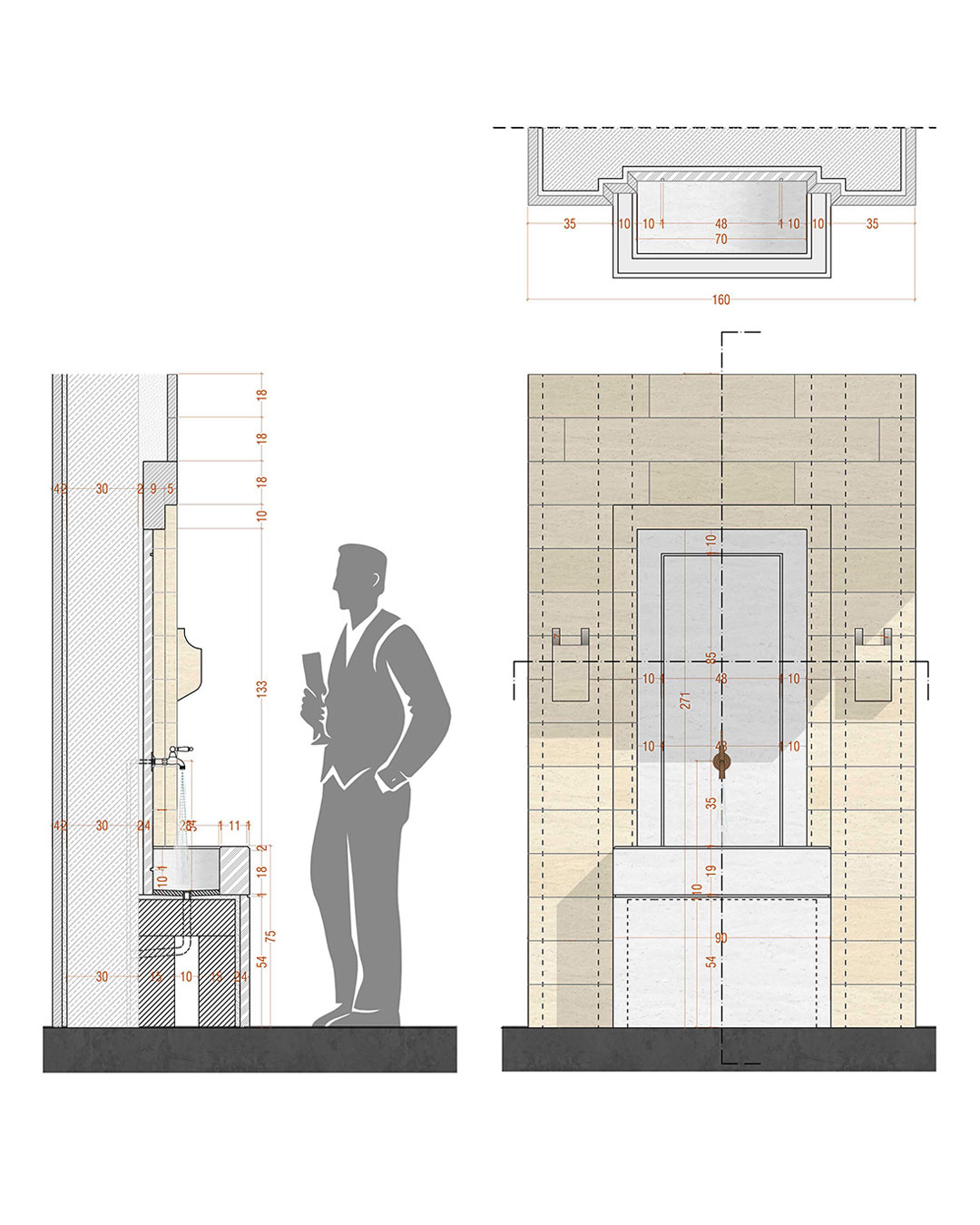
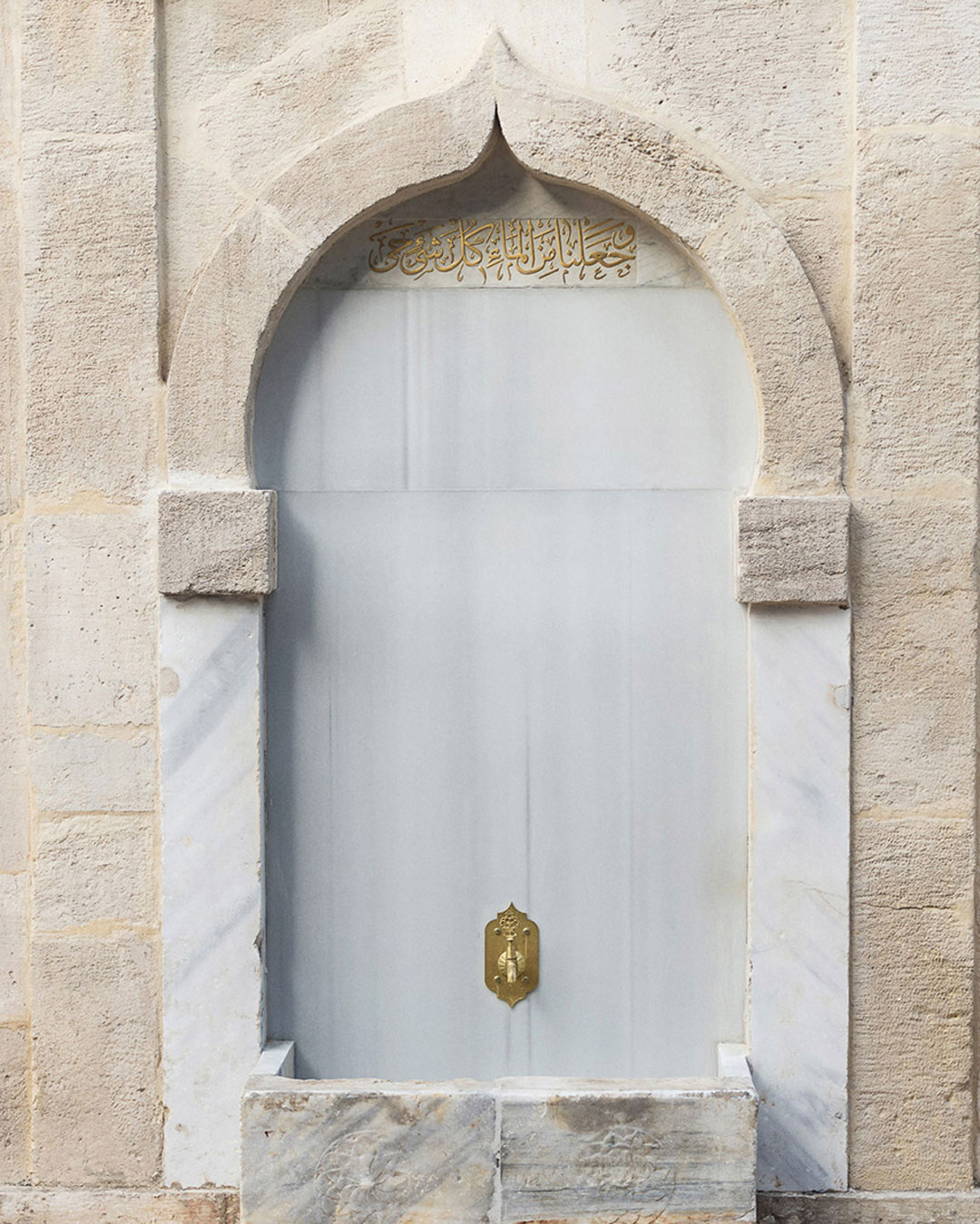
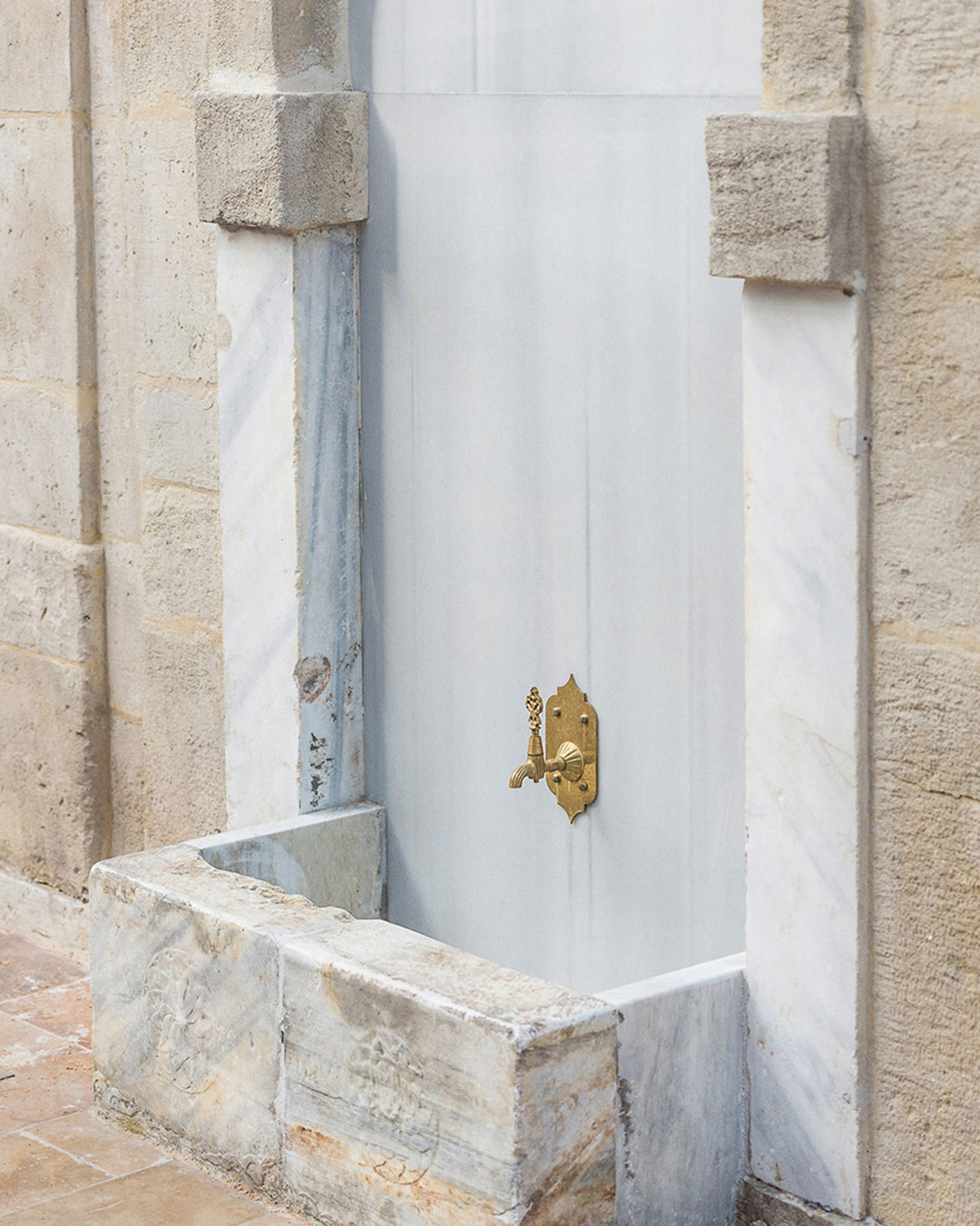
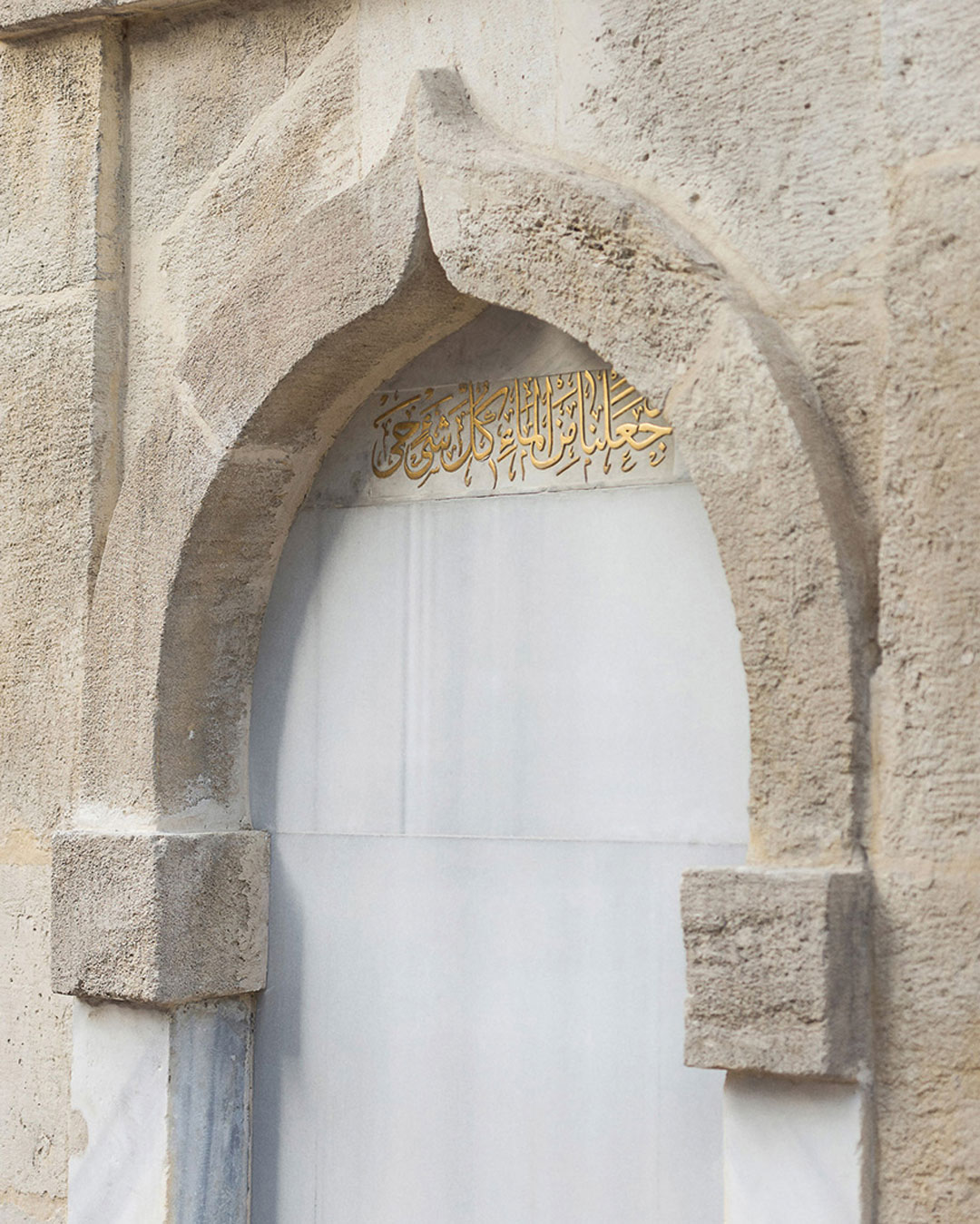
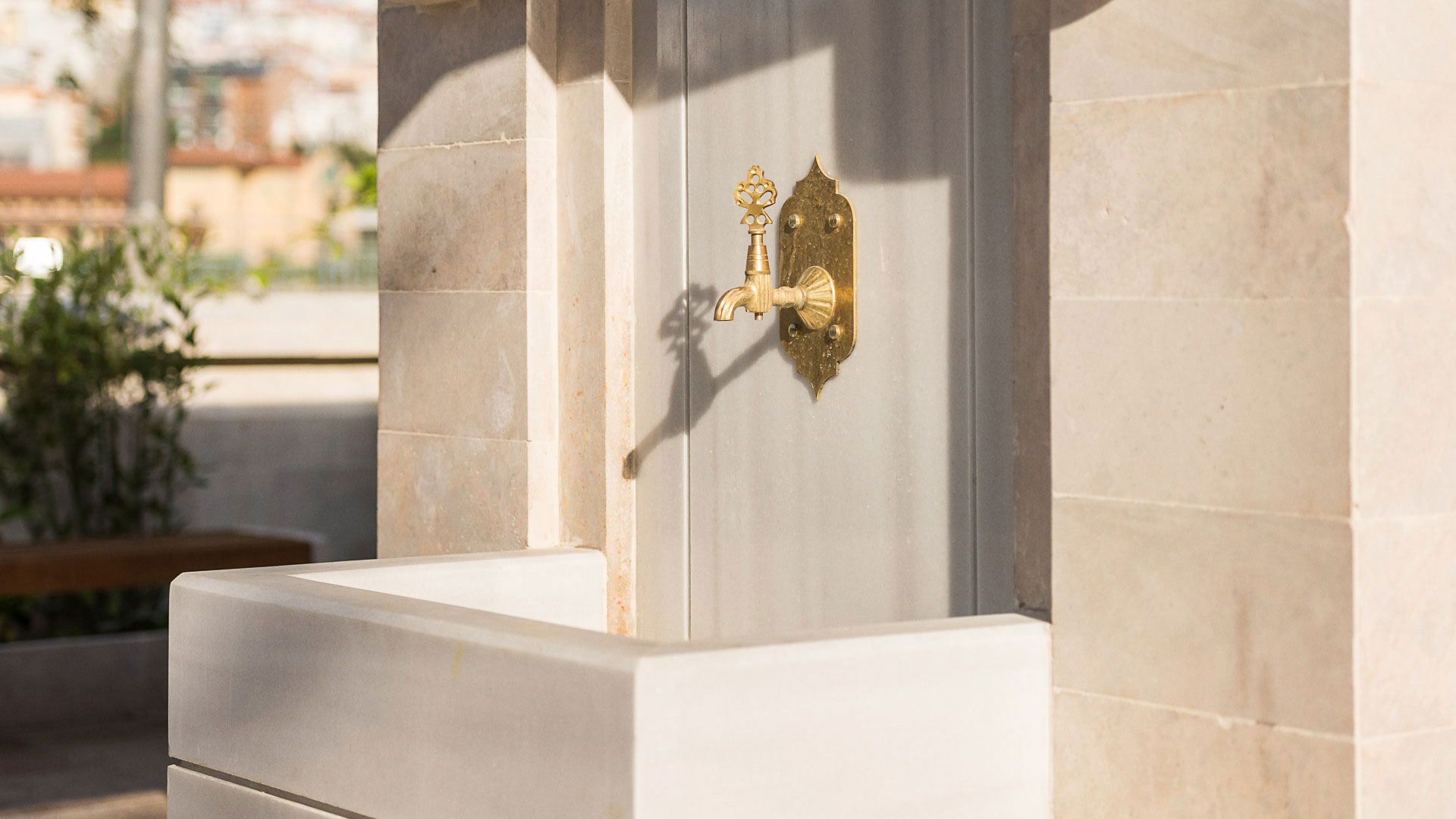
The front façade of the ablution structure faces the stone courtyard of the mosque. A fountain is positioned along this façade, and directly across from it a linden tree is placed to cast shade over the courtyard.
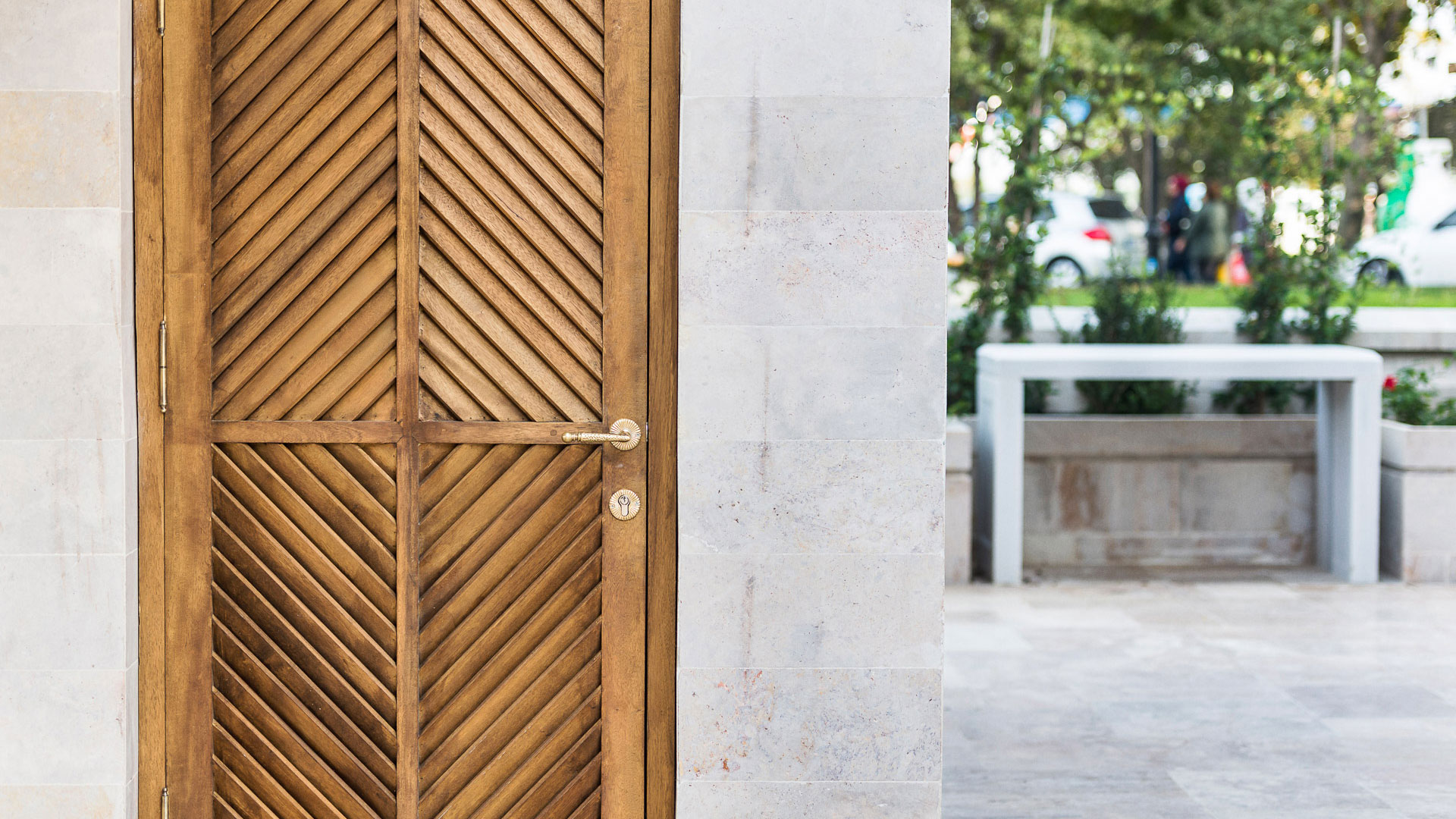
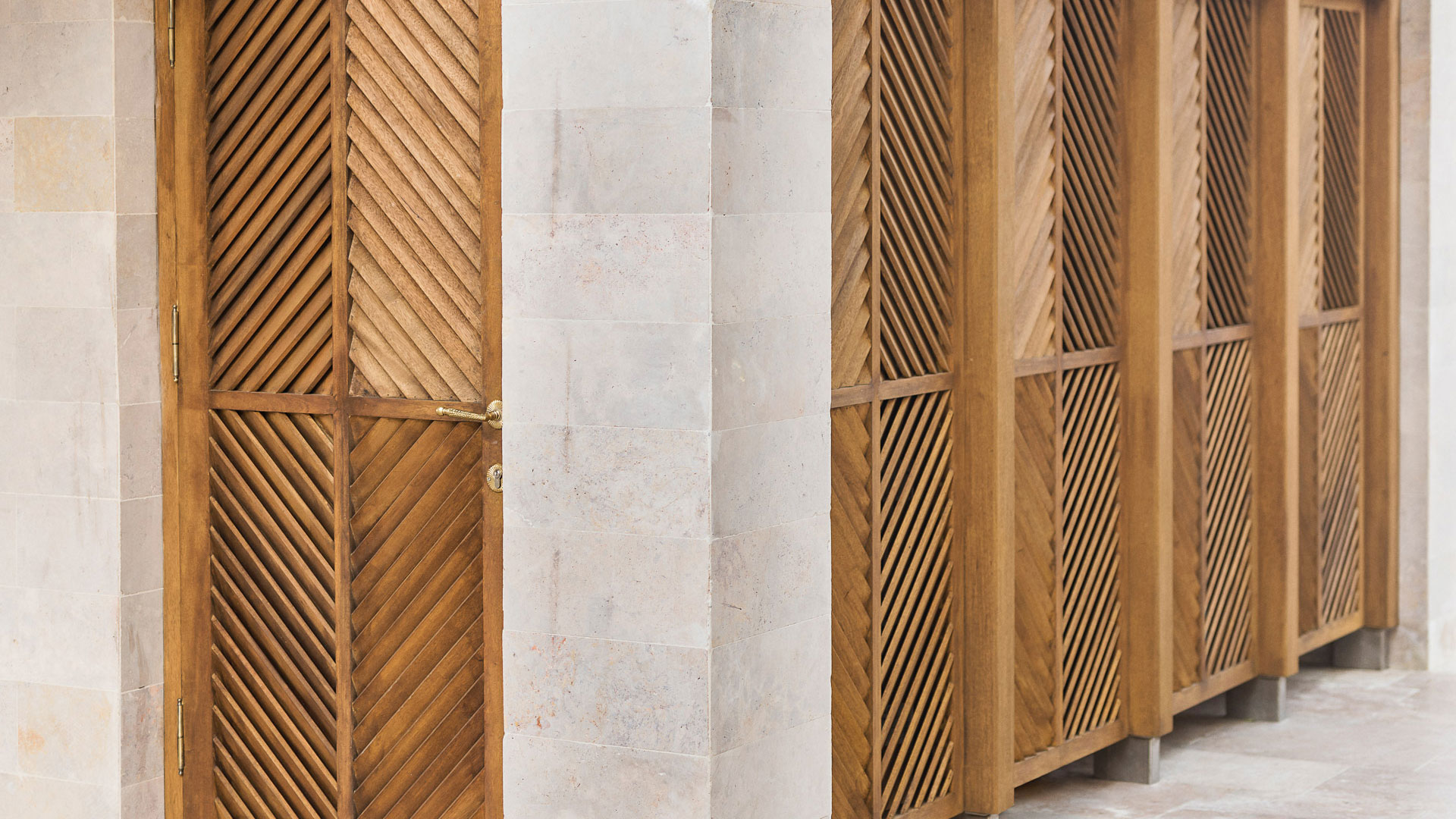
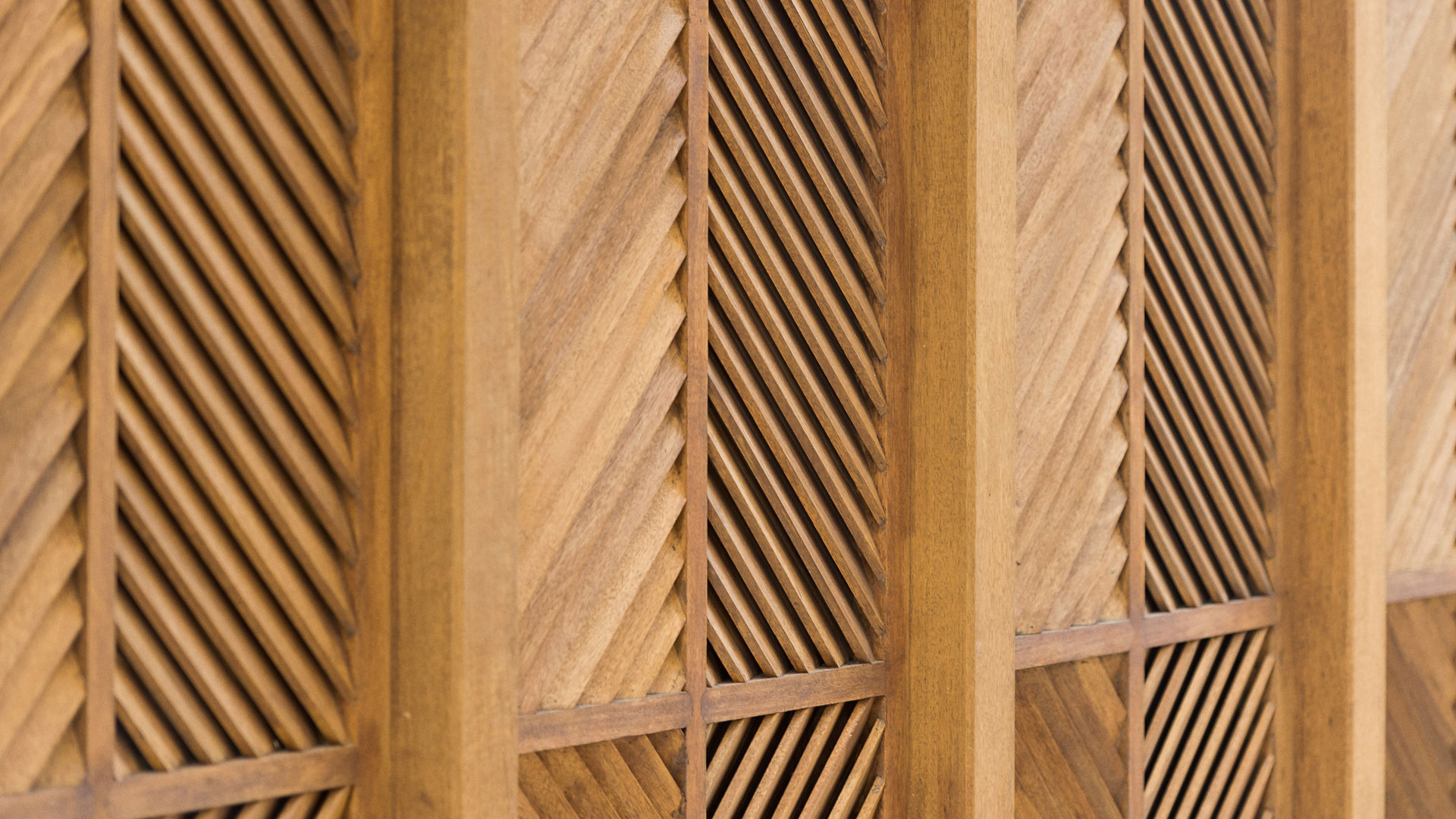
On the rear façade, a semi-open area screened with wooden louvers allows women to perform ablution in the open air while retaining privacy. A baby-care room is also situated within this zone, maintaining ventilation and openness.
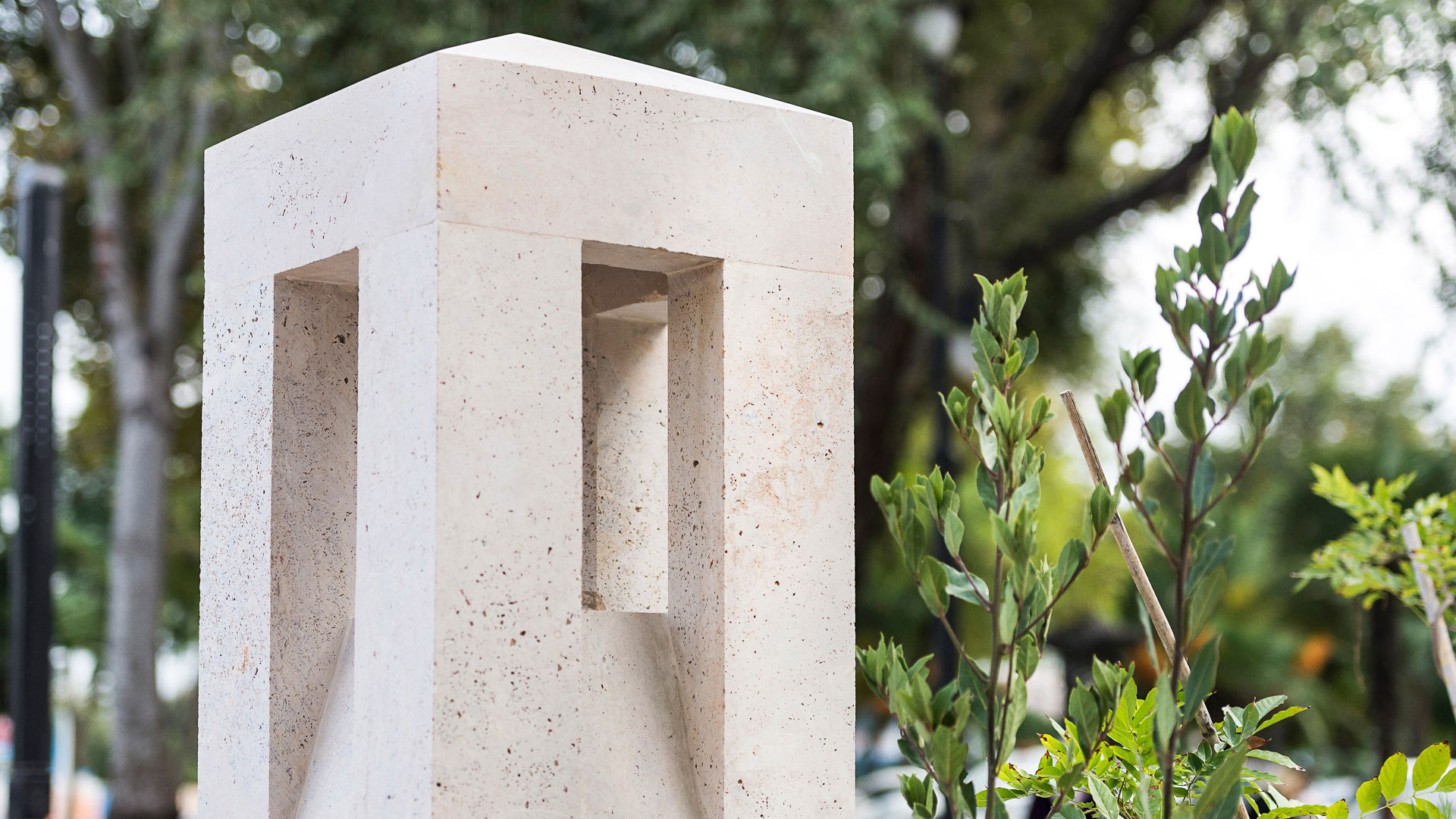
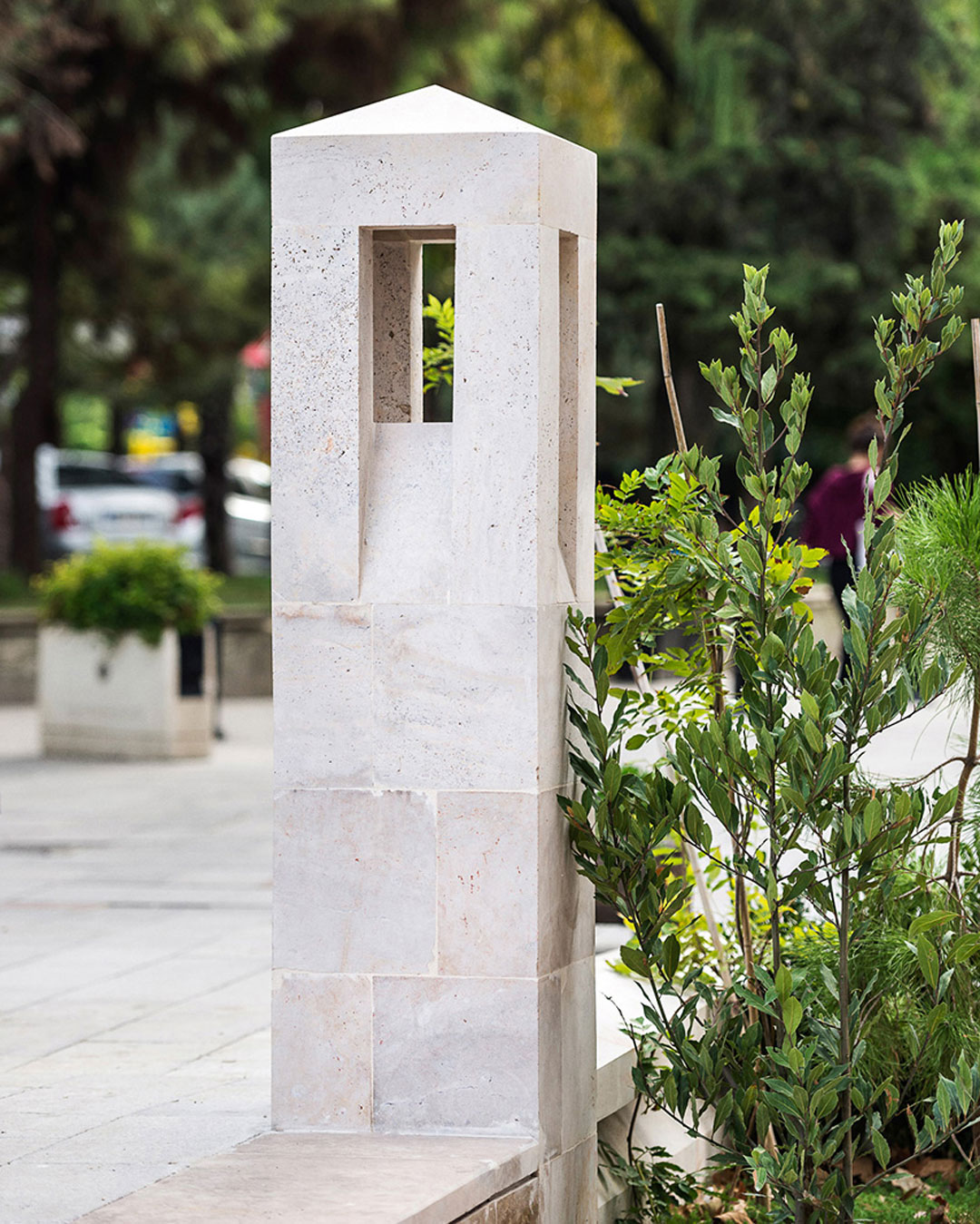
The structure includes separate sections for men and women. It establishes a humble relationship with the mosque while helping define the spatial boundaries of the courtyard. Since the mosque is built as a raised (fevkânî) structure, the spaces beneath it will serve as workshops or small shops. To ensure accessibility to these units, the walls surrounding the mosque are designed as low boundary elements. Entry points into the courtyard are marked by stone markers rising like small beacons.