Istanbul Museum of Memory and Tomb Culture
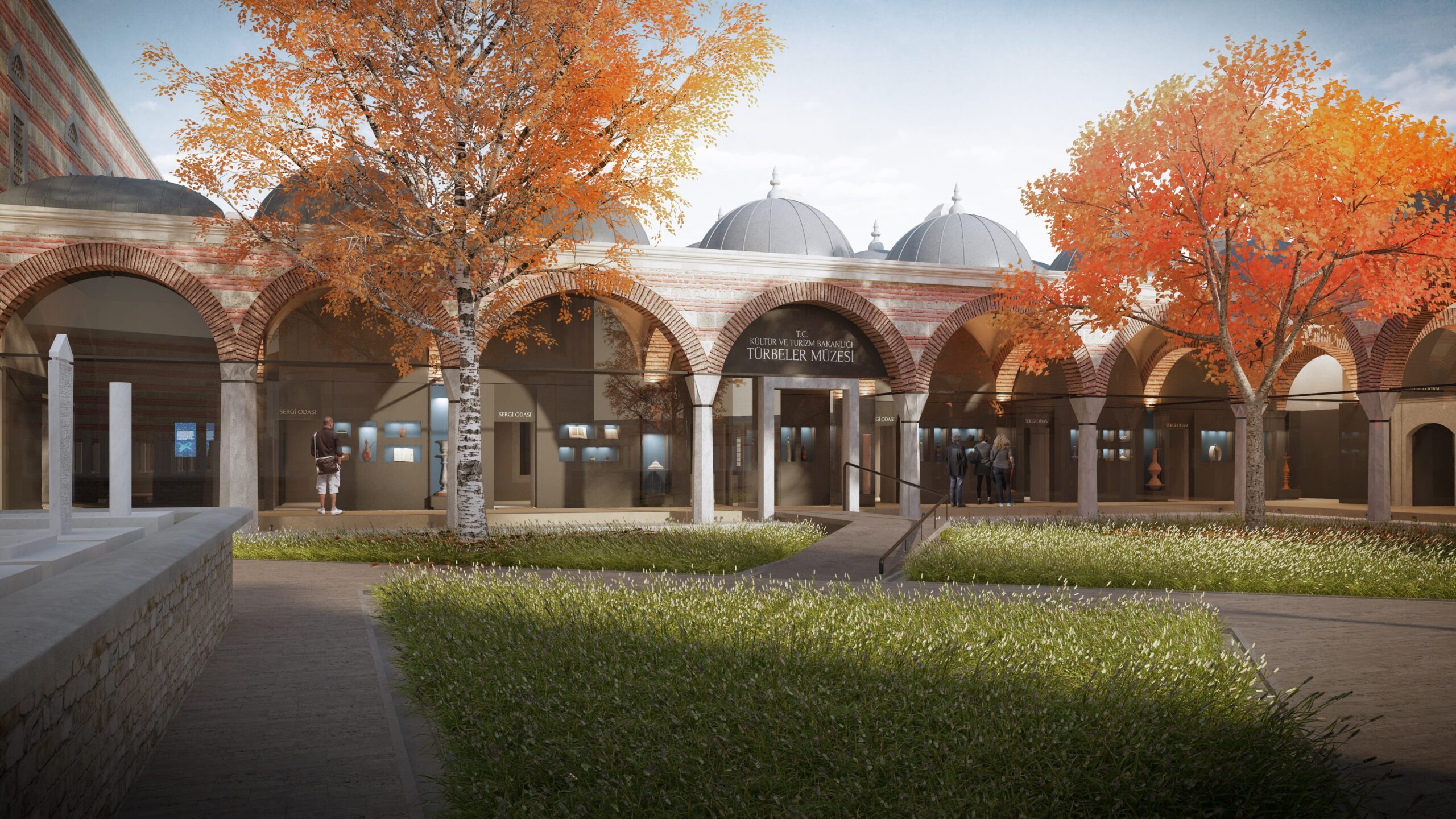
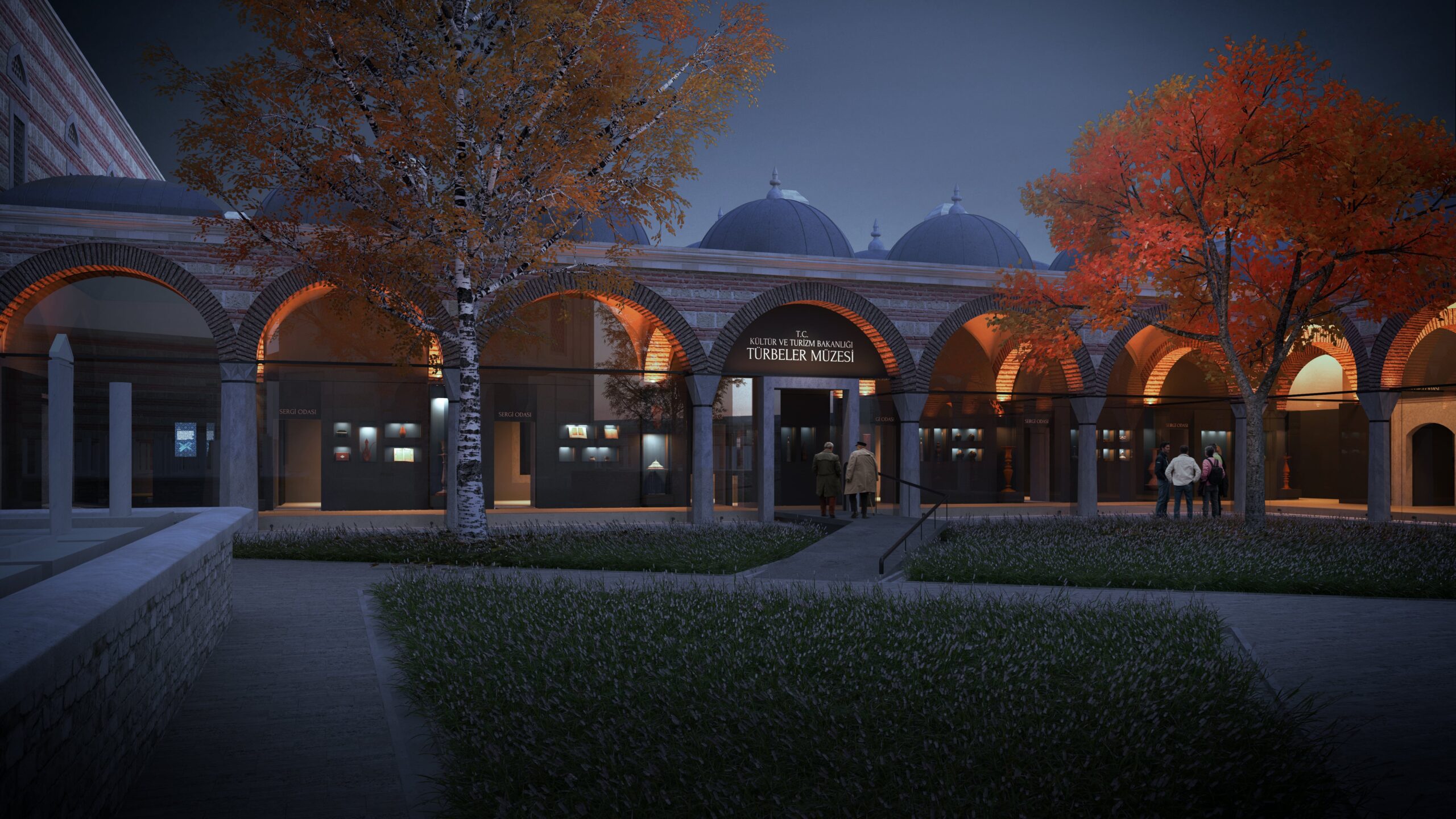
One of the most significant “külliye” ensembles of the Sinan period in Istanbul, the medrese of the Zal Mahmud Pasha Complex has been reprogrammed as the Istanbul Tombs Museum.
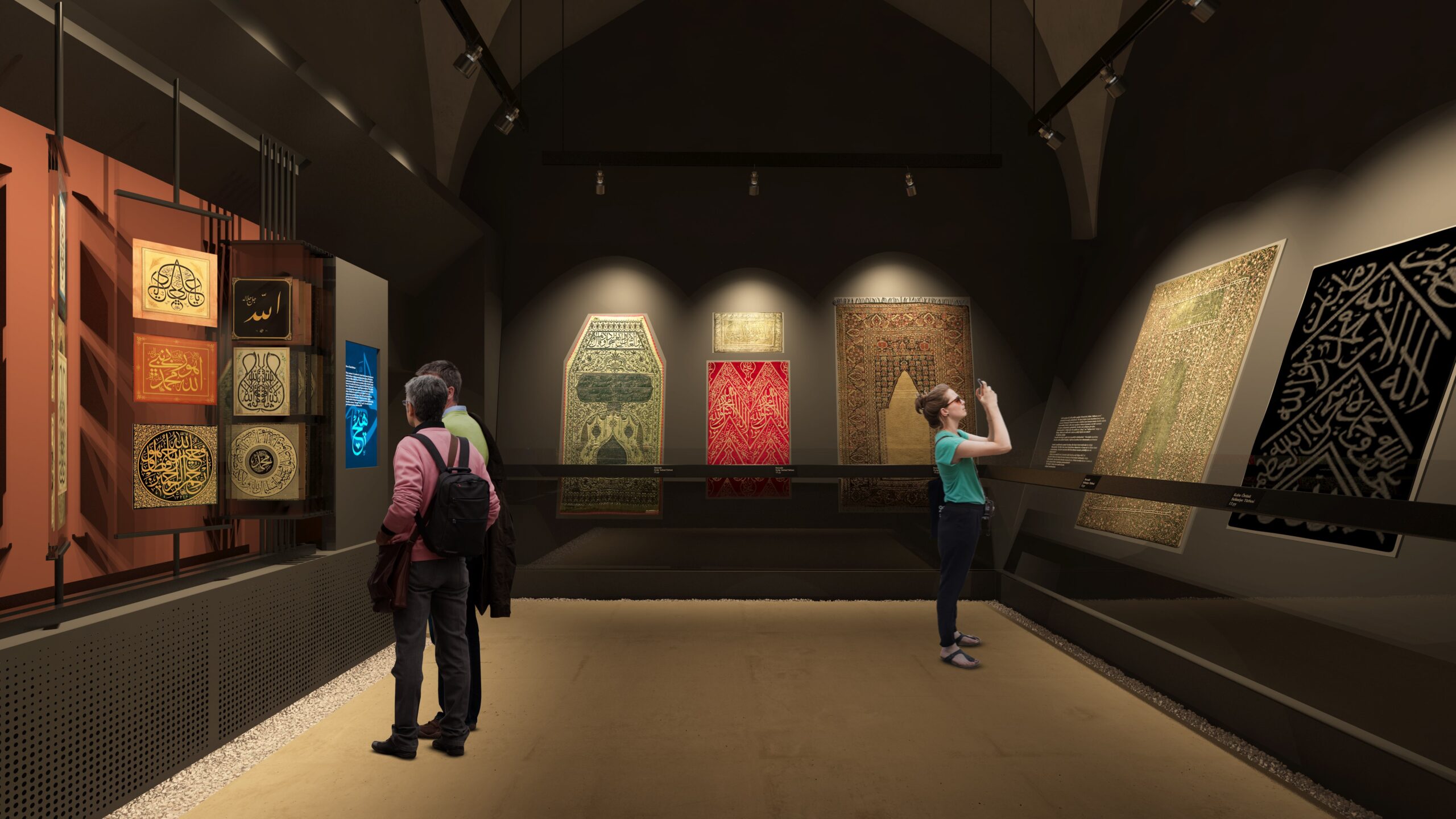
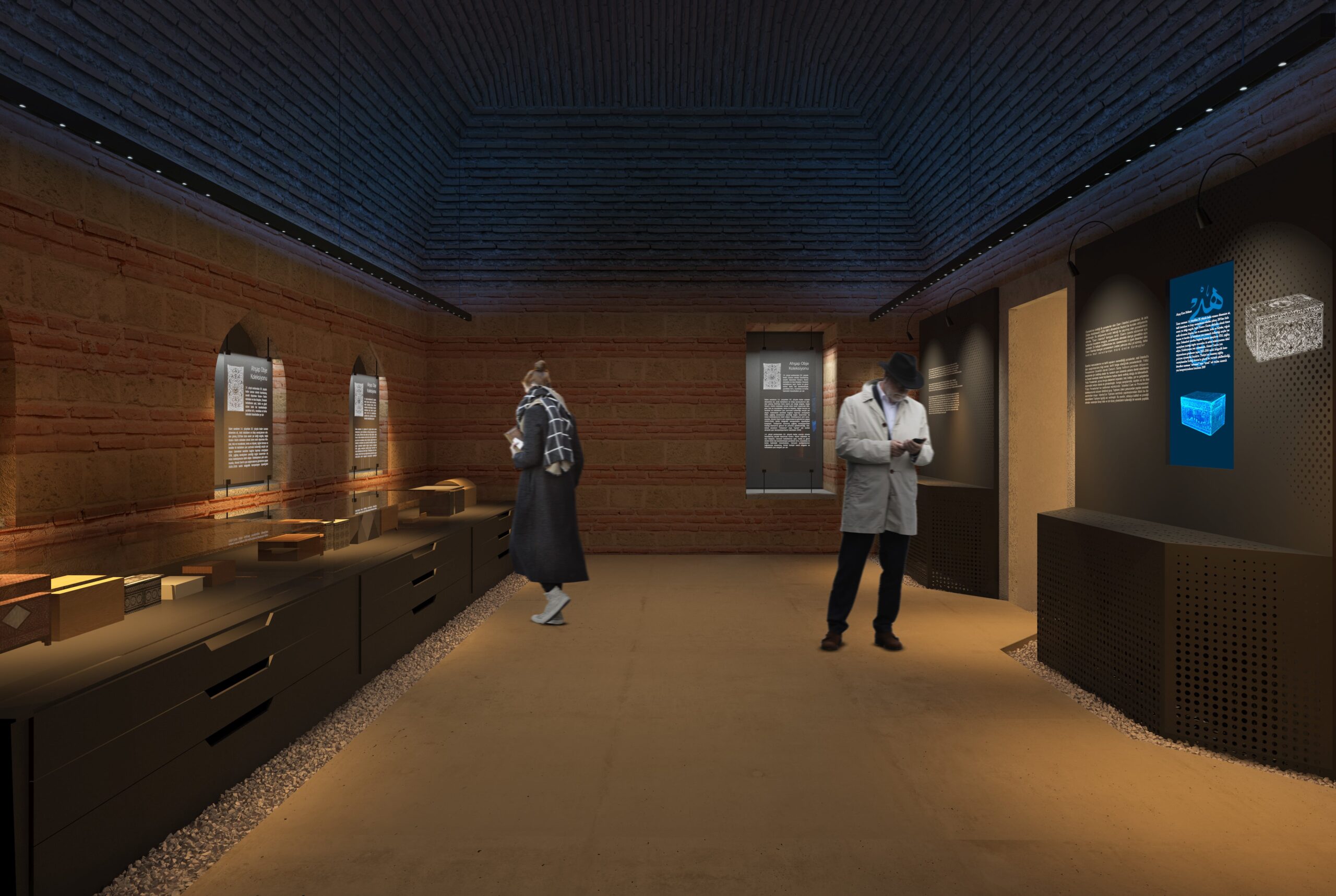
The transformation adopts a contemporary museological framework while maintaining deep respect for the historical character of the structure. Hundreds of original objects from the inventory of the Istanbul Tombs Directorate; tomb covers, lecterns, oil lamps, calligraphic panels, silver candlesticks, plaques, and other artefacts preserved in storage for many years were brought together to form a curatorial narrative that conveys and interprets the culture of Ottoman tombs. Rather than treating these items merely as memorial objects, the museum positions them within a conceptual field shaped by ideas of death, remembrance, culture, and time.
Spatial and Museological Approach
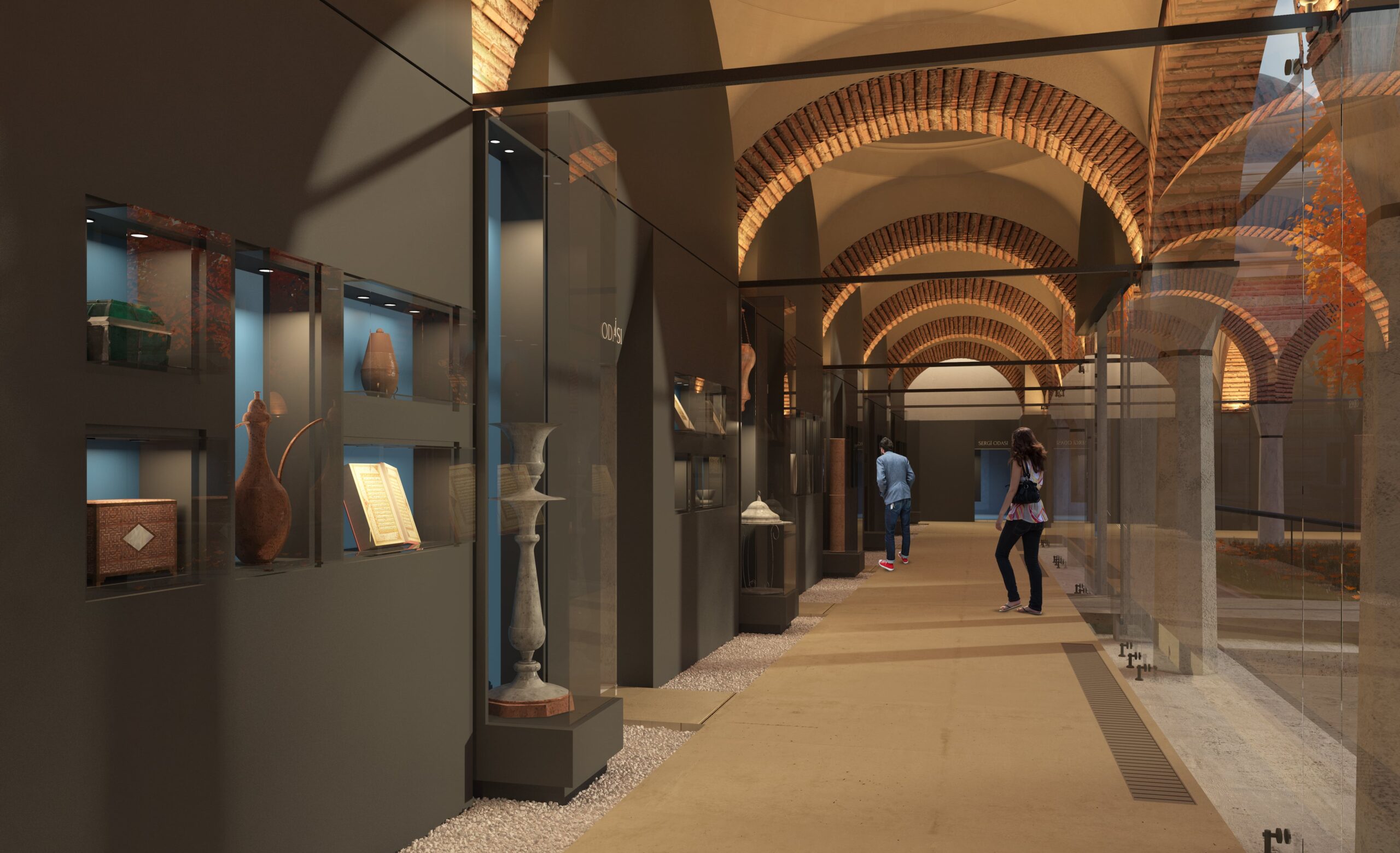
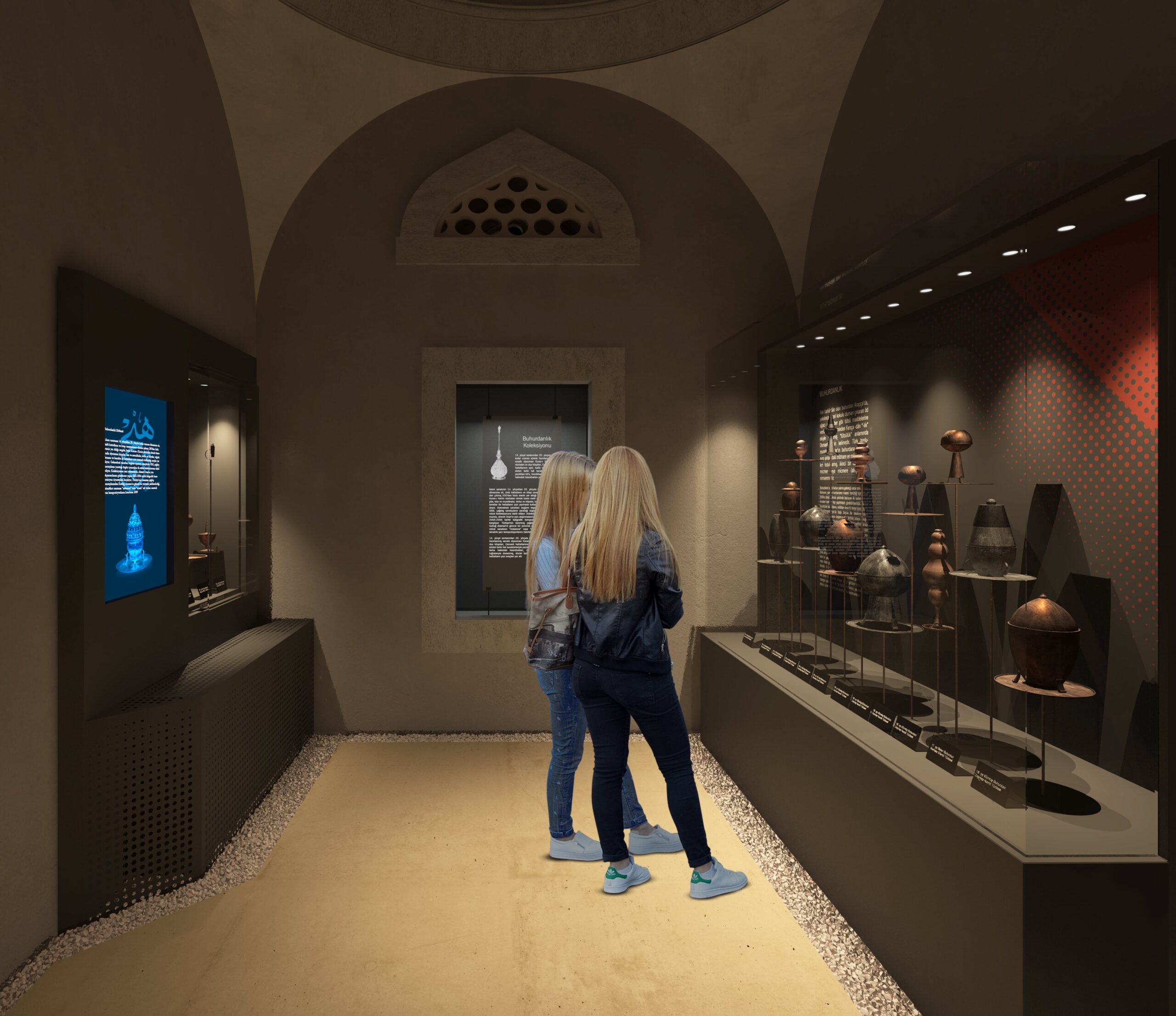
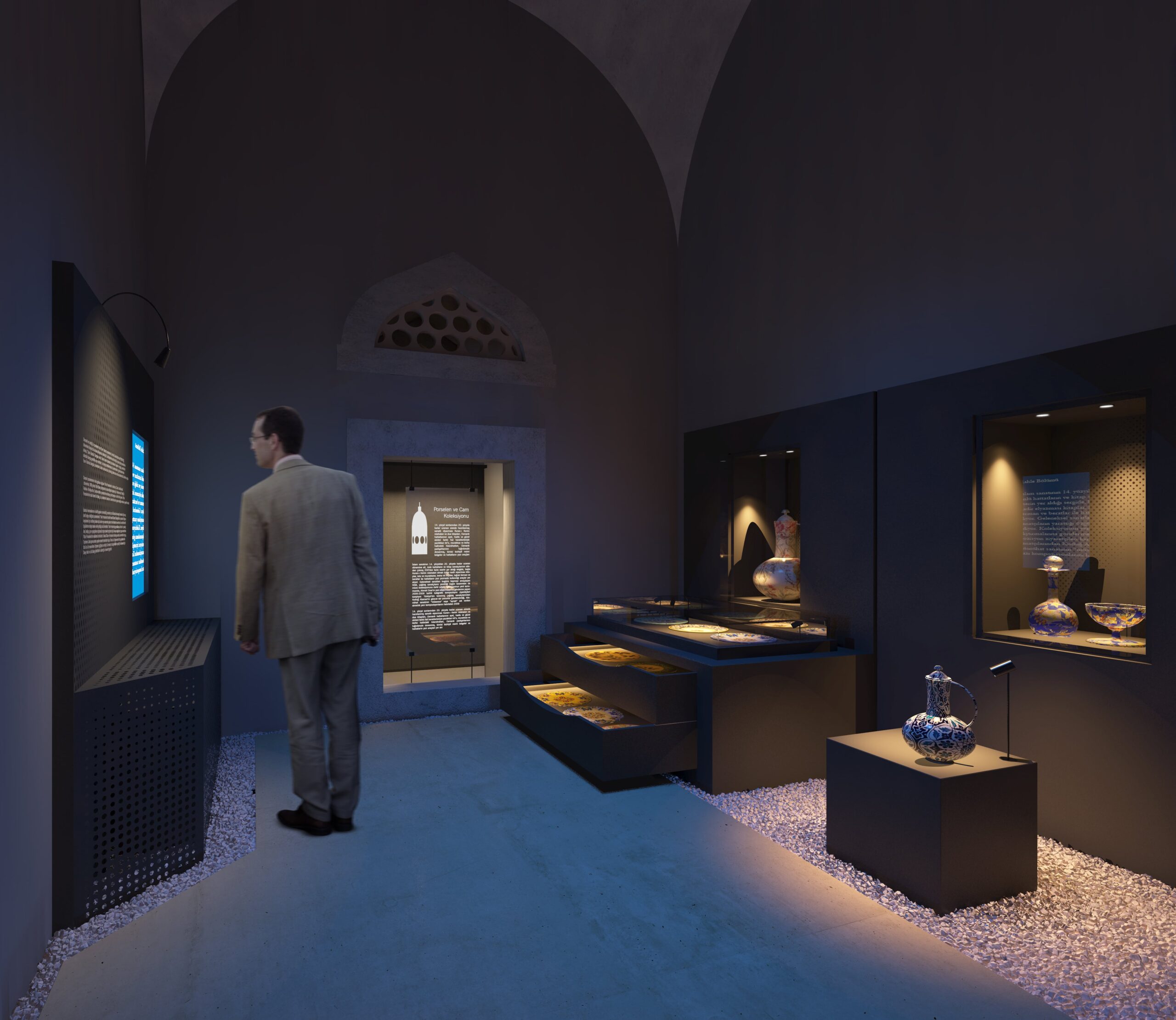
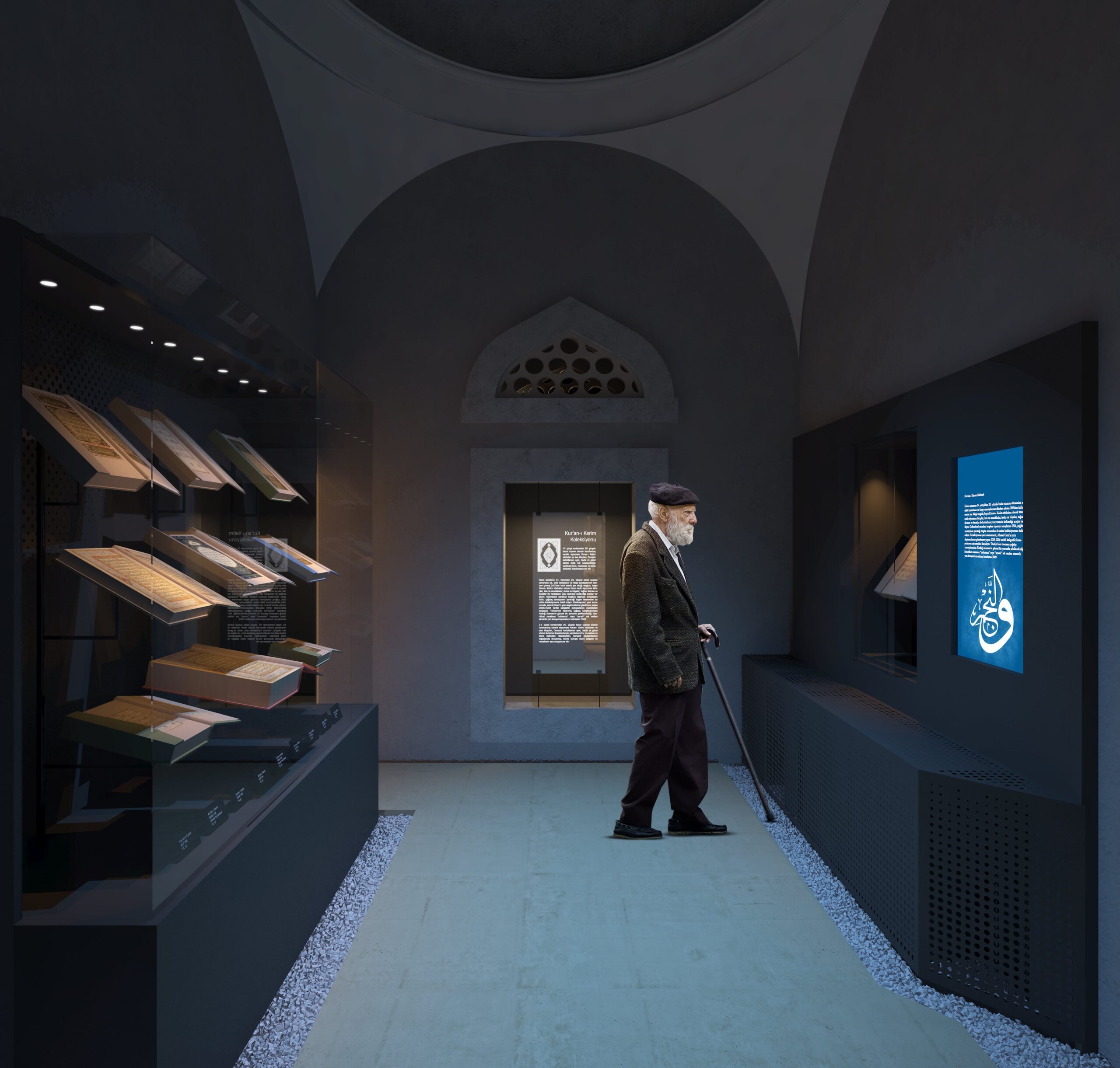
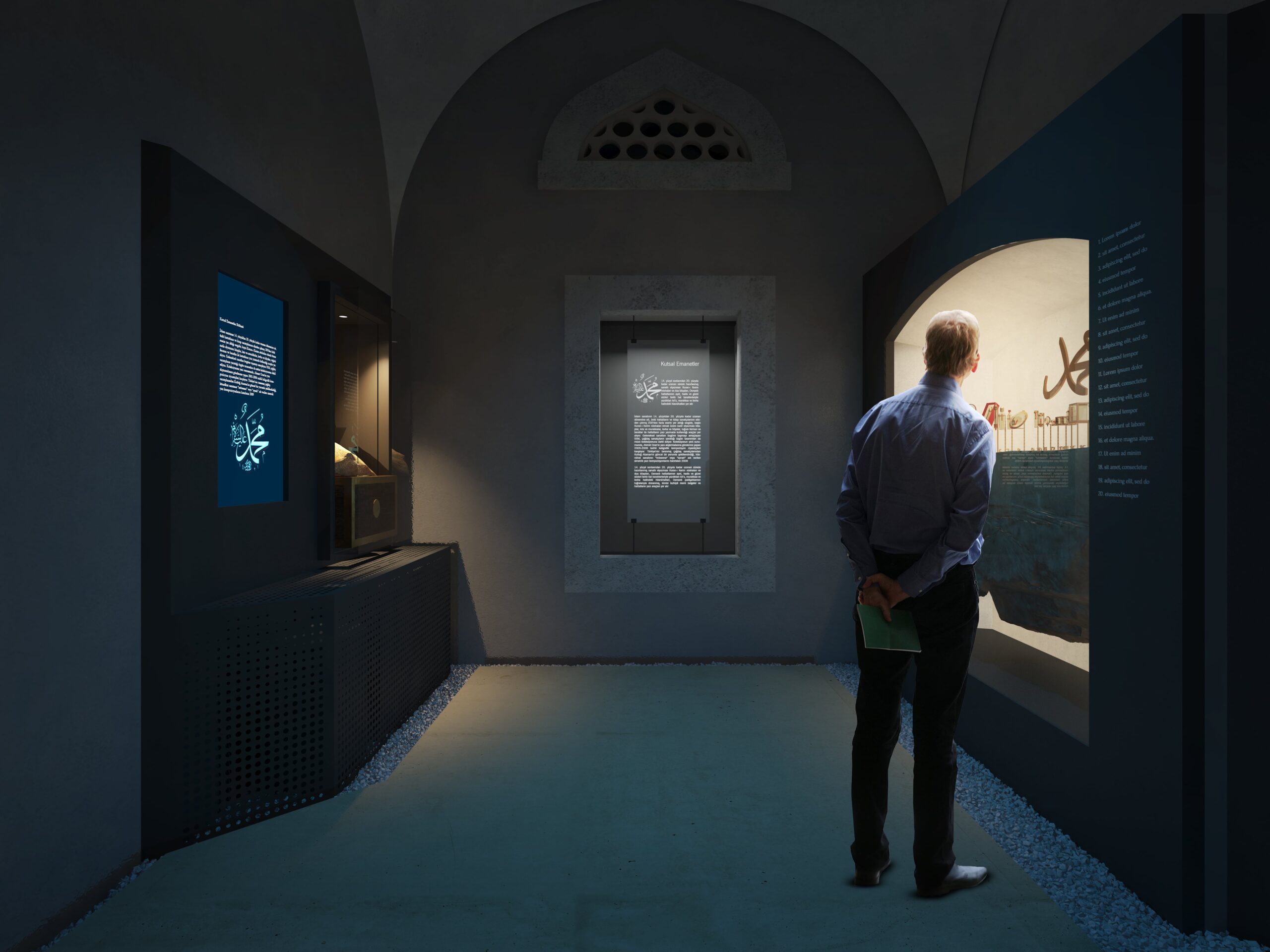
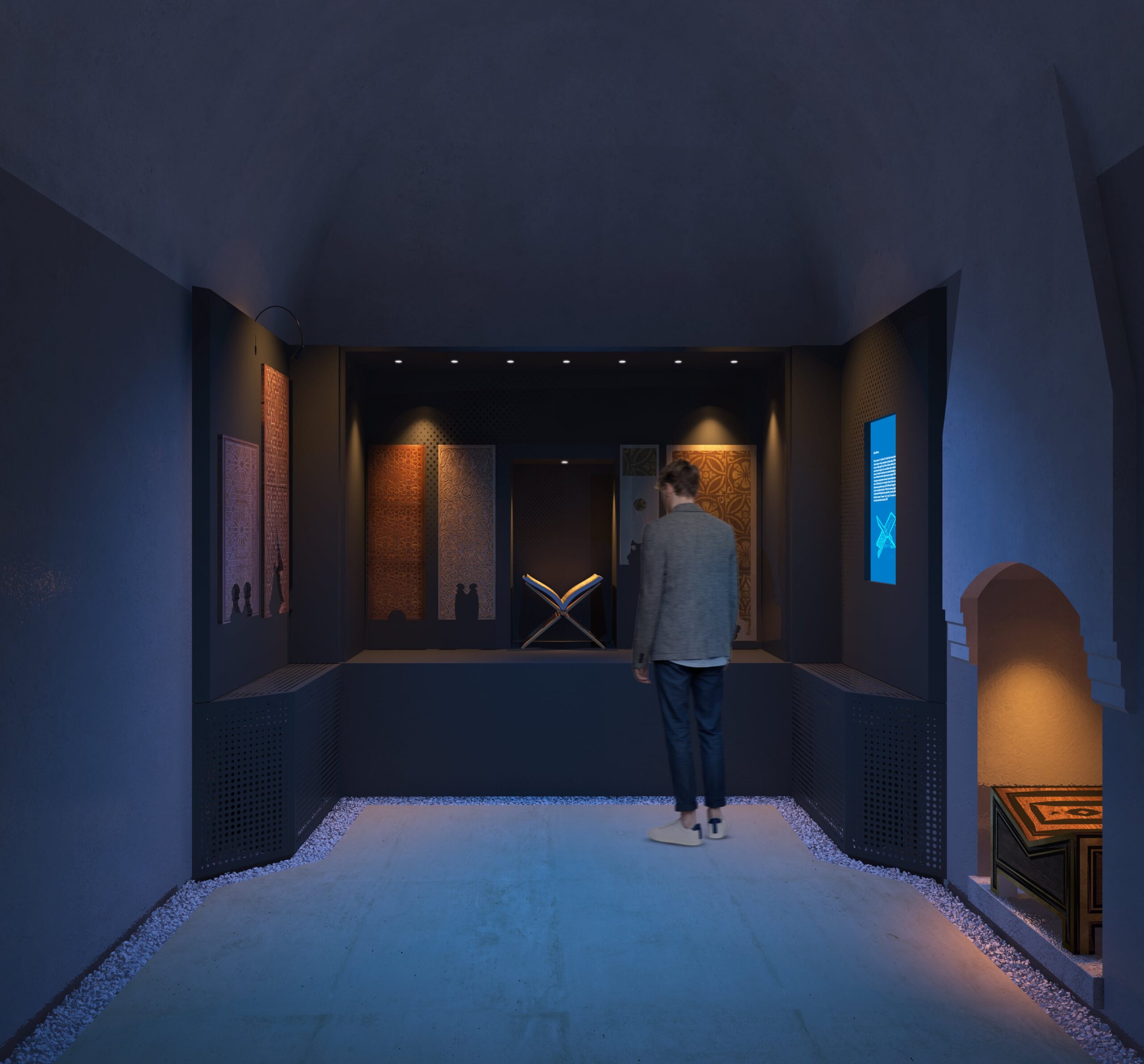
The design introduces the lightest possible intervention, preserving the historic stone walls, arches, and vaults in their original state. The new museum layer is conceived as an independent architectural stratum that inhabits the space without touching it. This contemporary exhibition language makes the objects visible against a dark, silent backdrop. Black-toned display panels and carefully controlled lighting emphasize both the conceptual weight of the collection and the aesthetics of stillness.
At the threshold between the courtyard and the medrese rooms, semi-transparent glass partitions maintain the interior – exterior relationship while grounding the visitor in the historic courtyard atmosphere. Within the exhibition rooms, the measured interplay of cool light and shadow reinforces the introspective nature of the space and allows each object to narrate its story quietly. Here, light becomes a primary narrative tool, not a decorative highlight, but an instrument that reconstructs the atmosphere of the museum.
Conceptual Framework
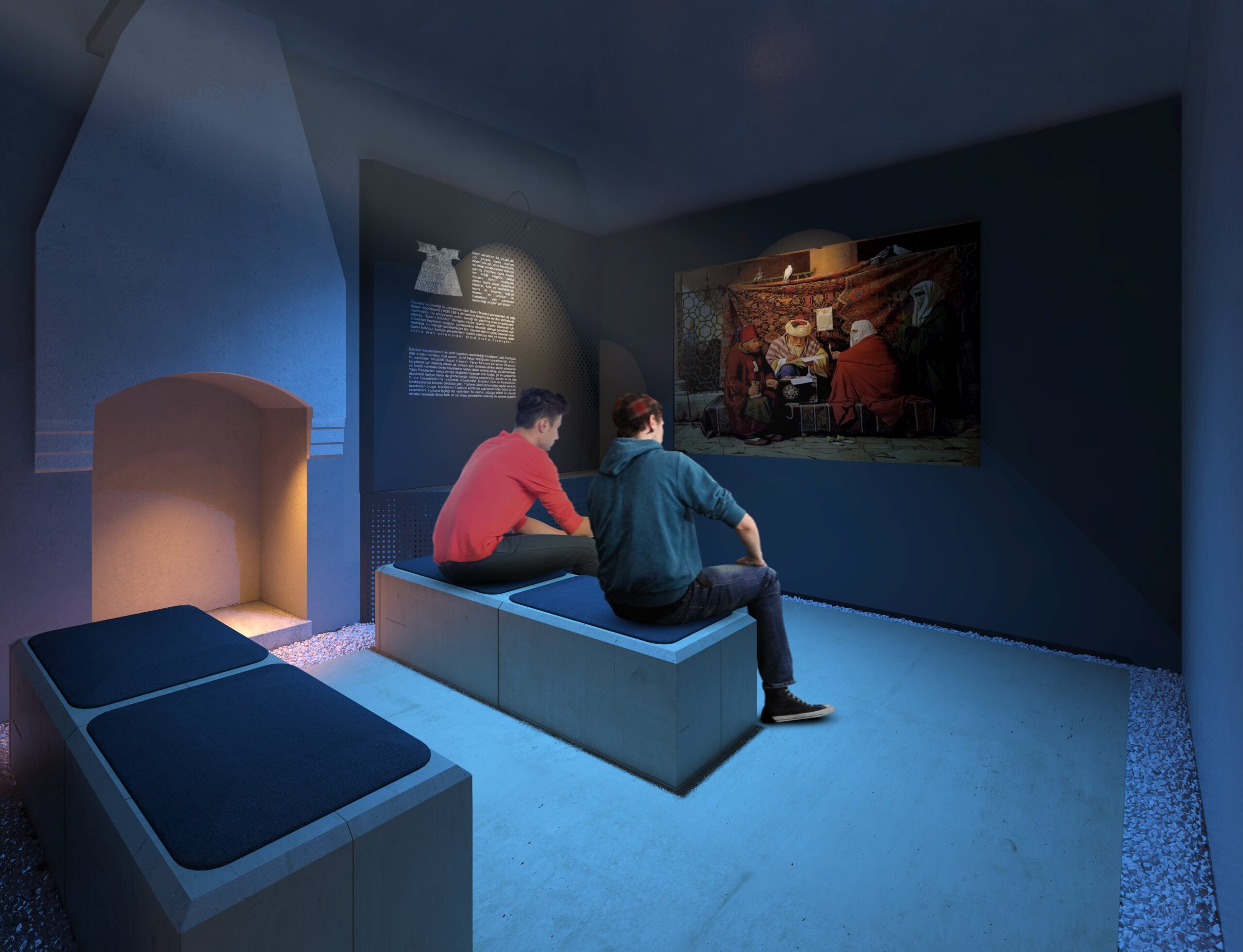
Tombs within the Ottoman urban fabric embody not only religious meaning but also aesthetic and collective memory. The Istanbul Tombs Museum brings these cultural layers together, inviting visitors to explore the aesthetic relationship established with death across history. The exhibition moves through thematic chapters such as Memory, Visitation, Scent, Remembrance, and Art. Each room presents a different mode of human meaning-making in relation to time and mortality.
In this sense, the museum is not a reenactment of the past but a spatial field for contemplation. It approaches tomb culture not solely through its objects but through the intellectual, aesthetic, and ritual practices that shaped them. The visitor encounters an experience where past and present, the sacred and the worldly, silence and knowledge intersect.
Location
- Istanbul, TR
Client
- Ministry of Culture and Tourism