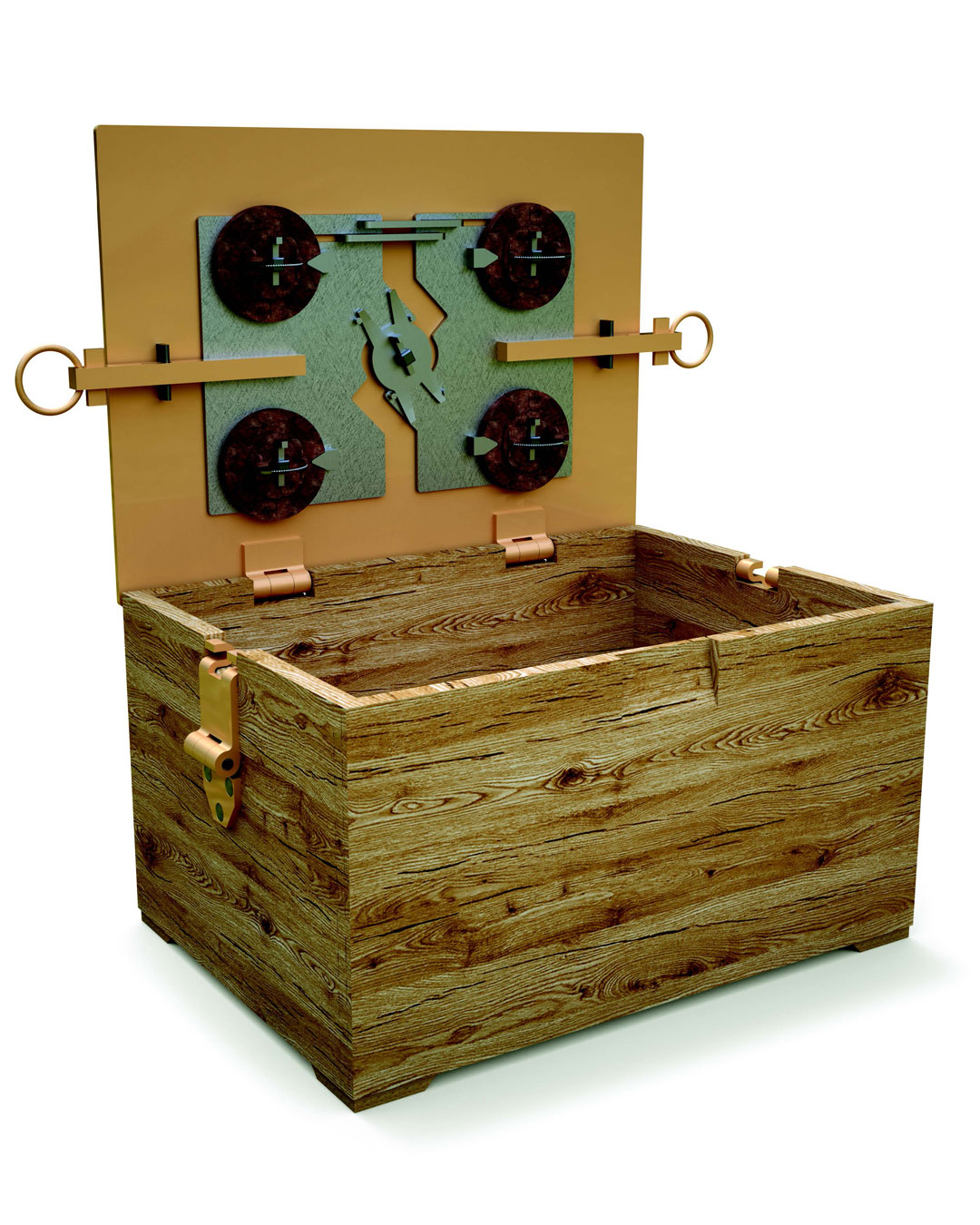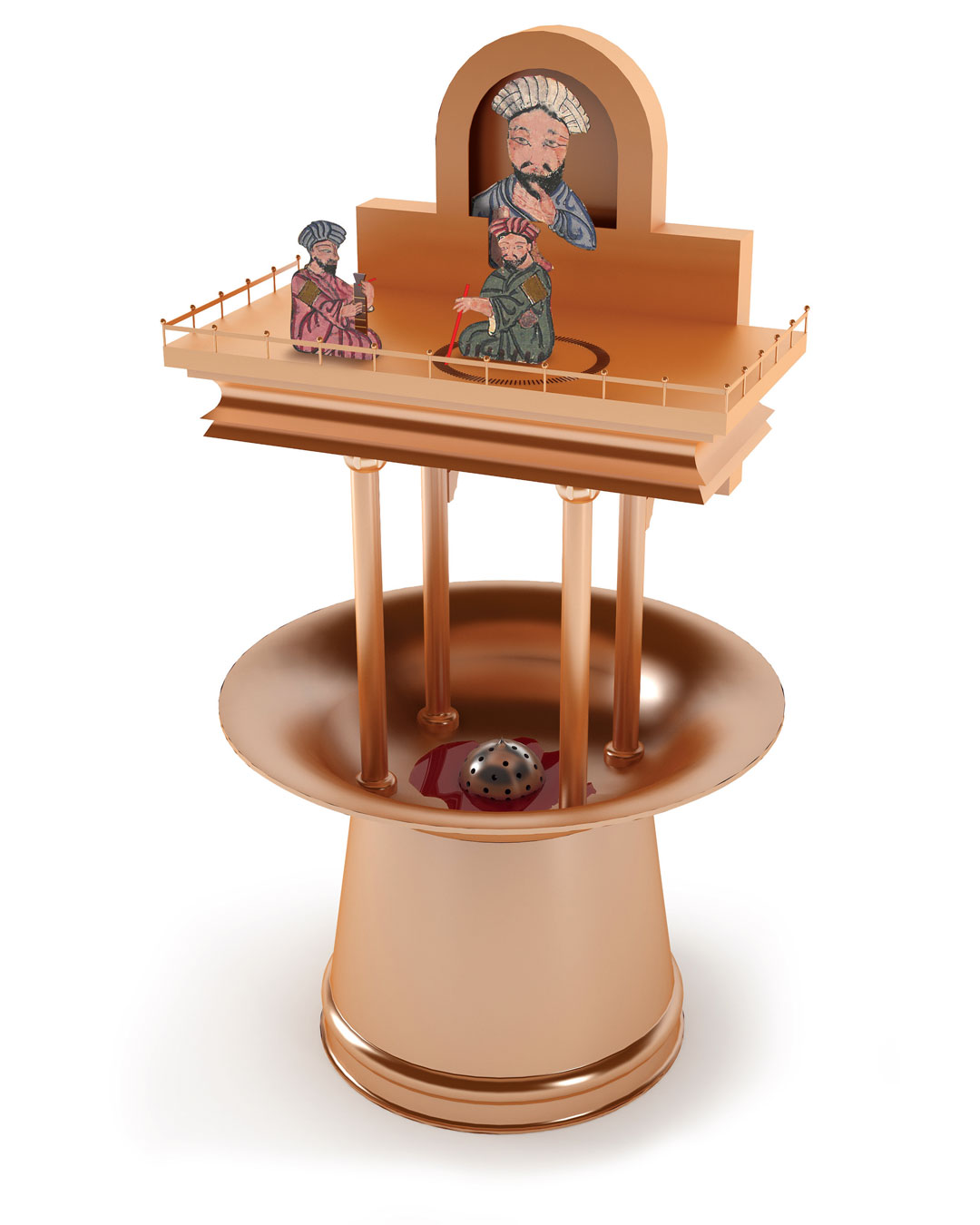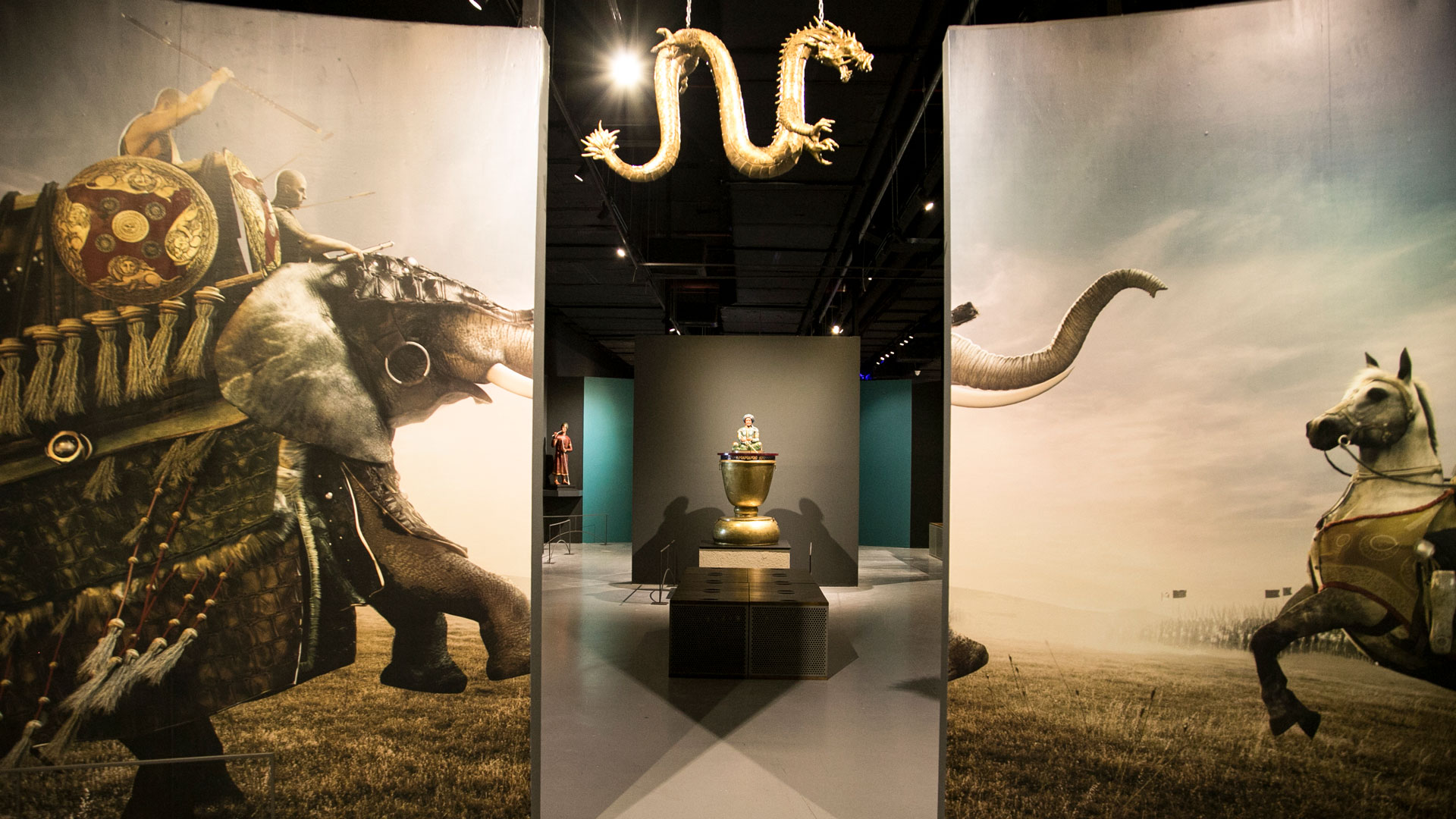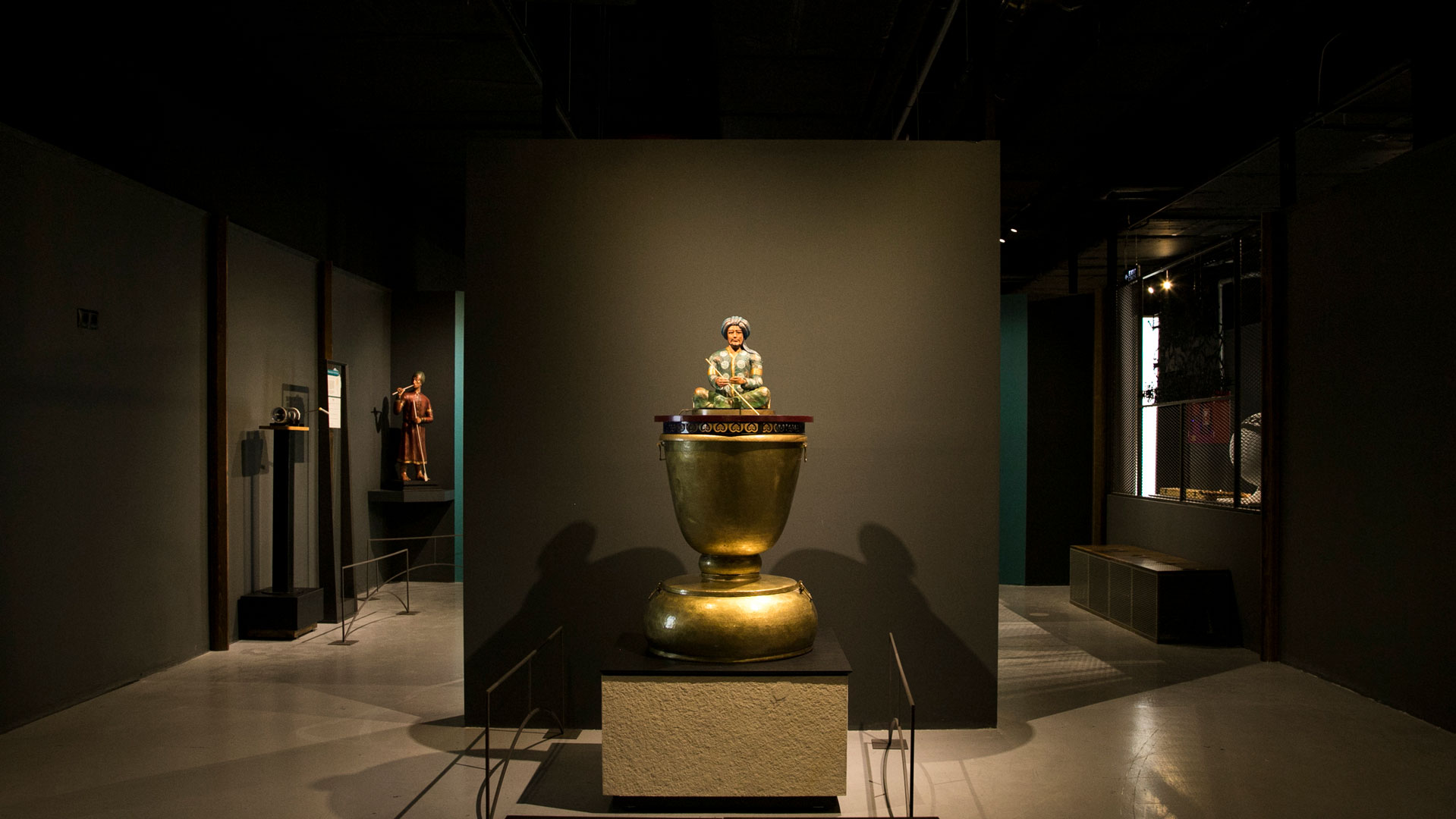
The exhibition Jazari’s Extraordinary Machines, presented at Maslak UNIQ, aims to bring new life to the works of the great twelfth-century inventor Al-Jazari through a contemporary exhibition language. The design treats Jazari’s mechanical genius together with the aesthetic, scientific, and philosophical world that surrounds it, presenting them as an integrated whole.
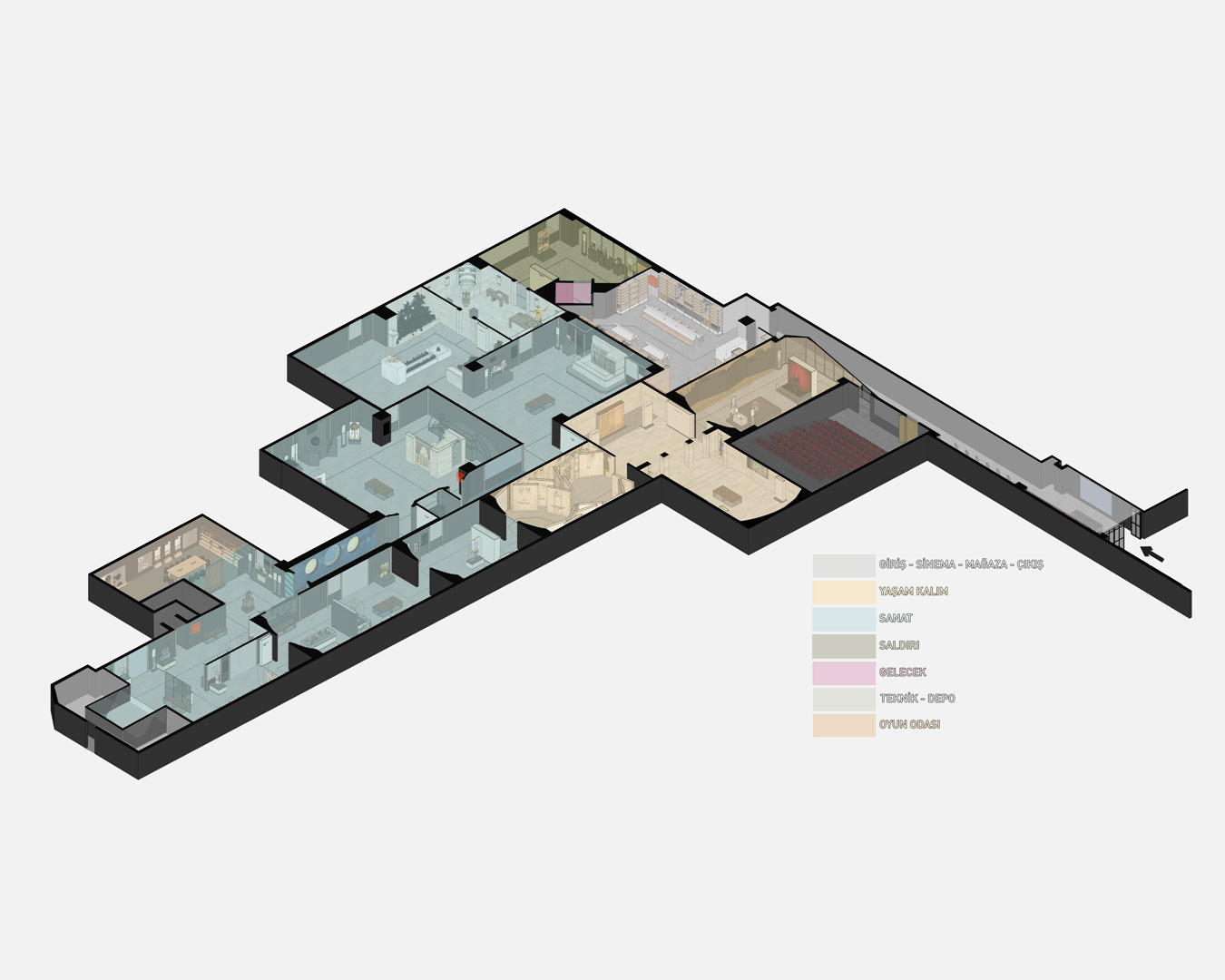
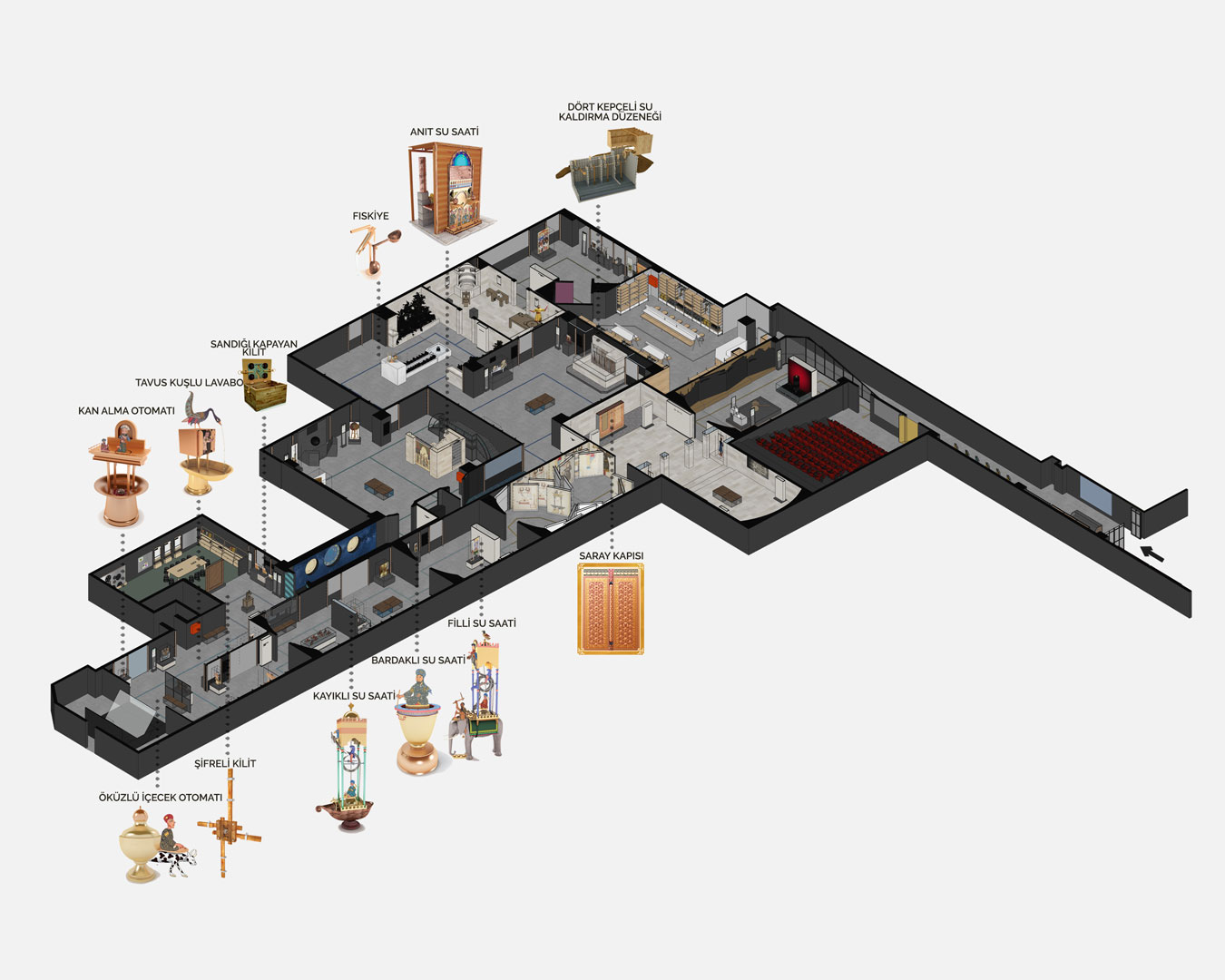
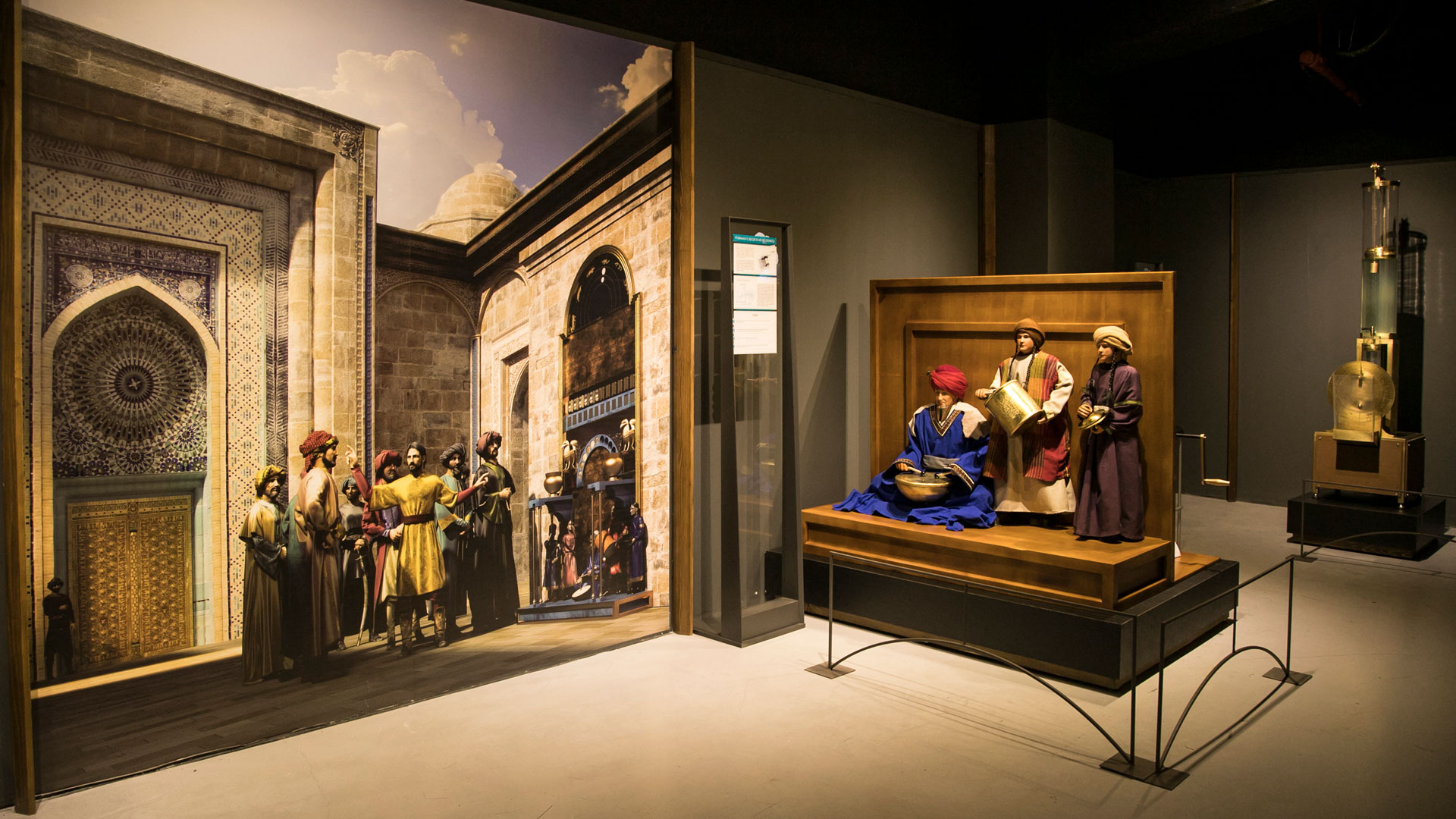
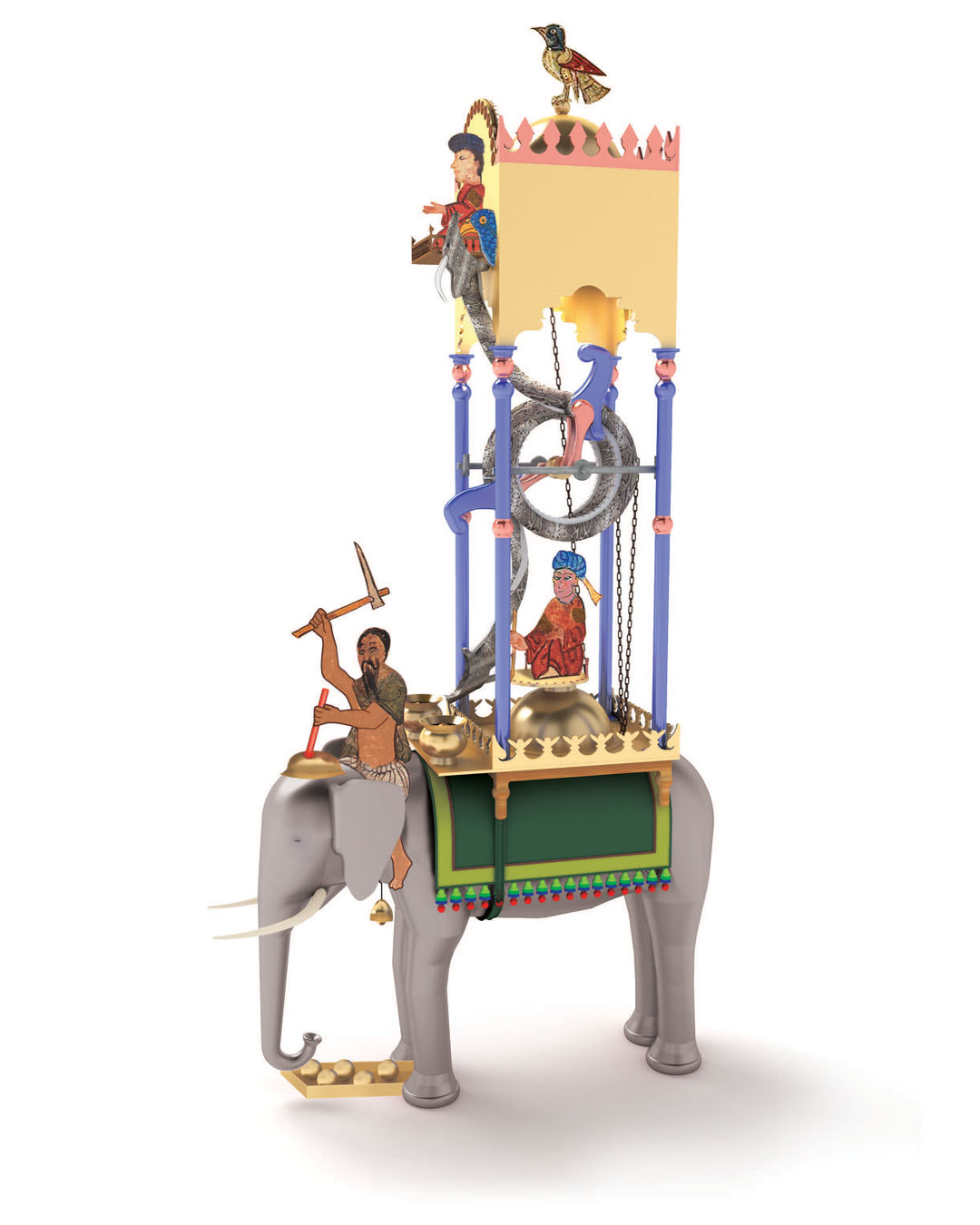
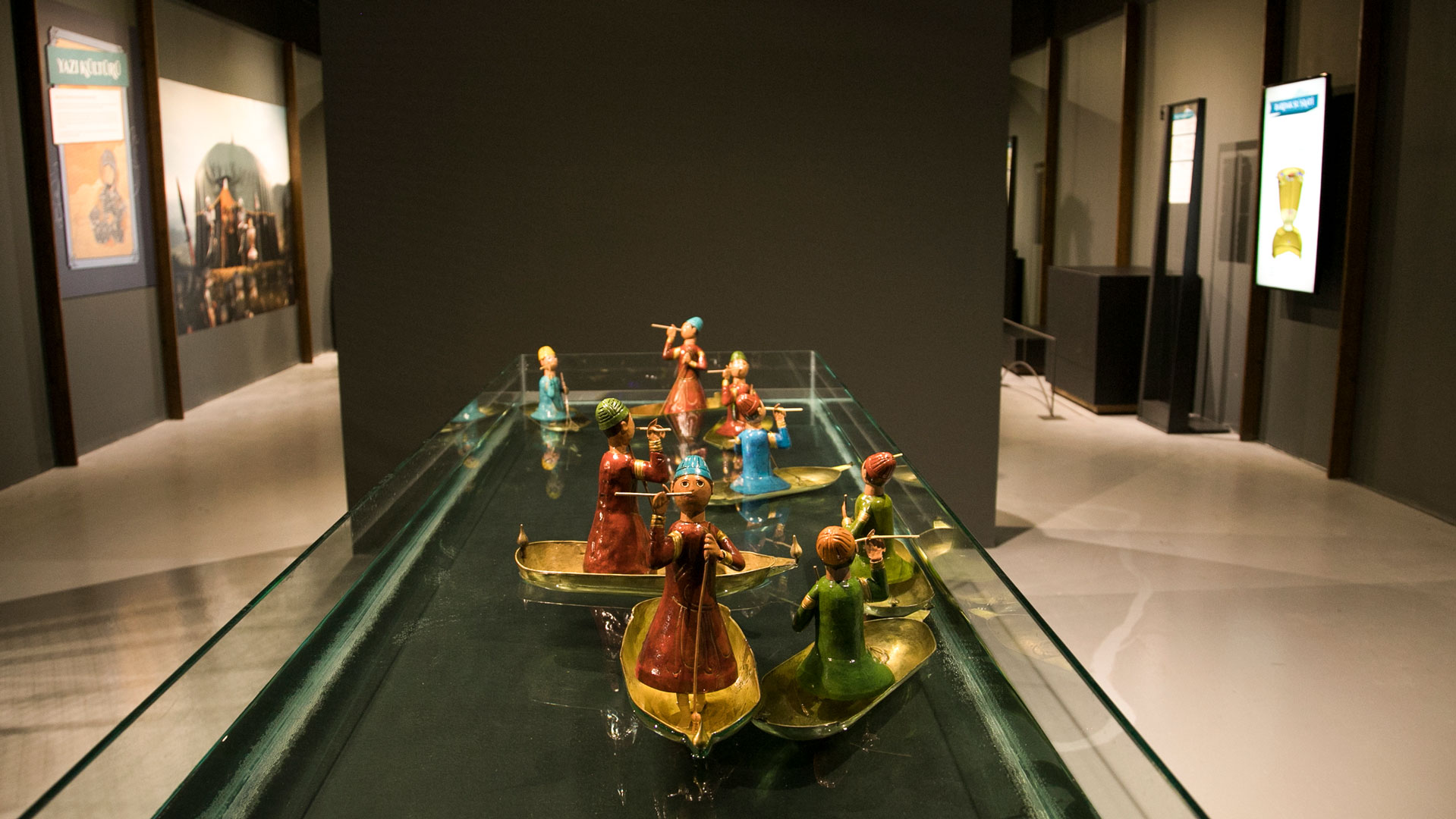
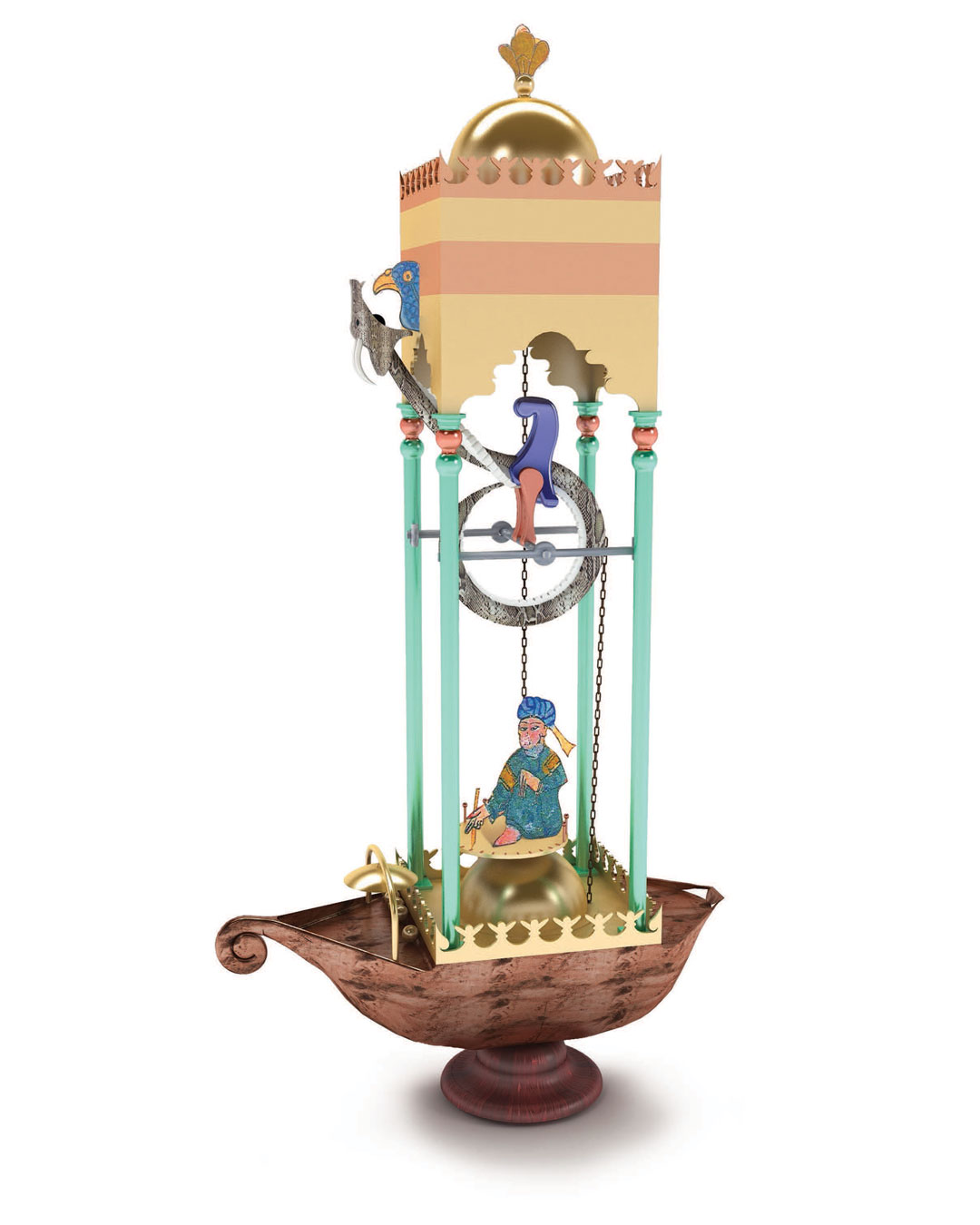
The project is conceived not merely as a display of objects but as a spatial narrative inviting visitors into an experiential journey. As they move through the exhibition, visitors enter a universe that extends from Jazari’s water clocks to his automatons, from astronomical instruments to intricate mechanical systems. Light, sound, movement, and digital projections act as tools that rebuild this world in a multisensory manner.
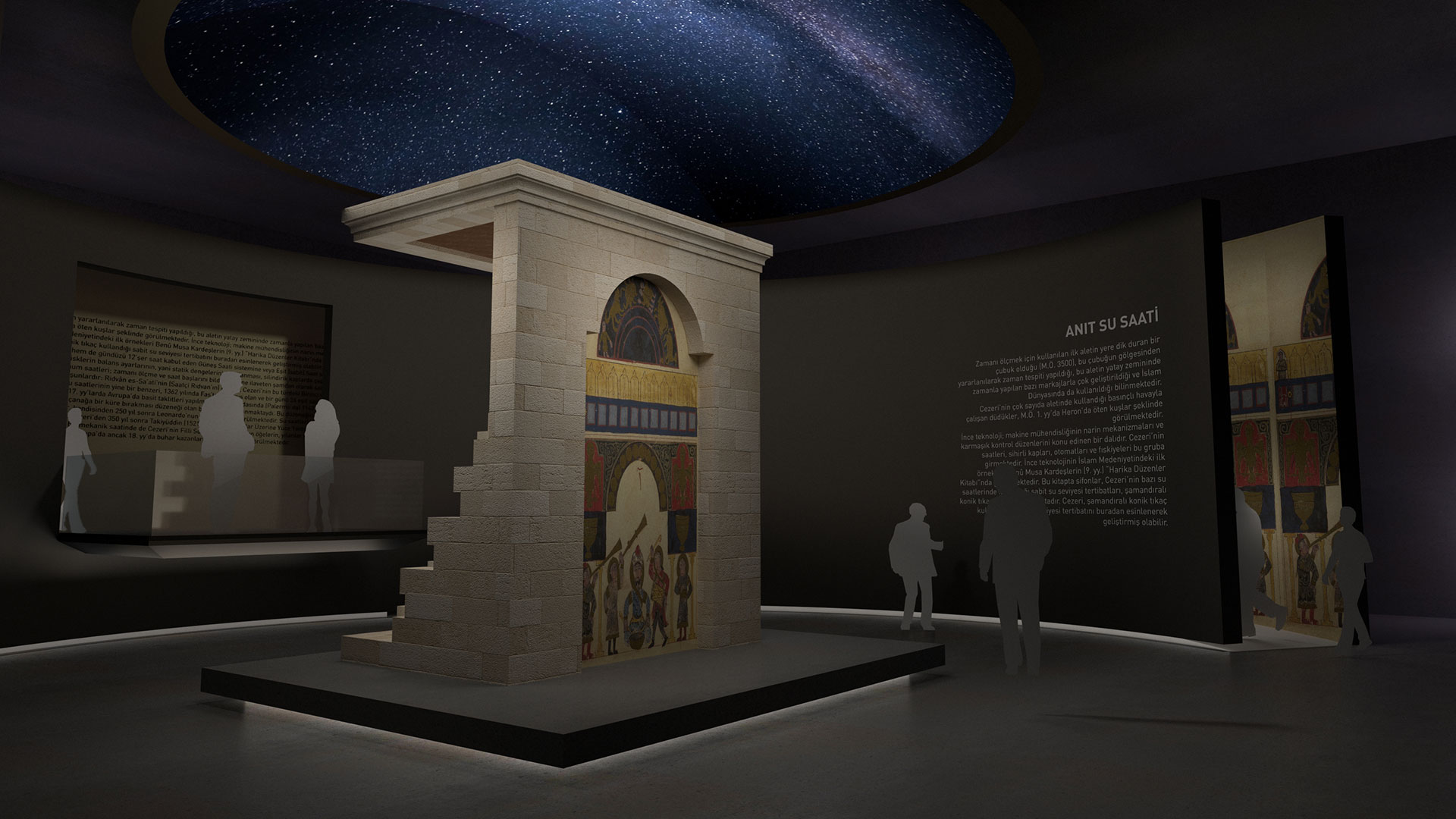
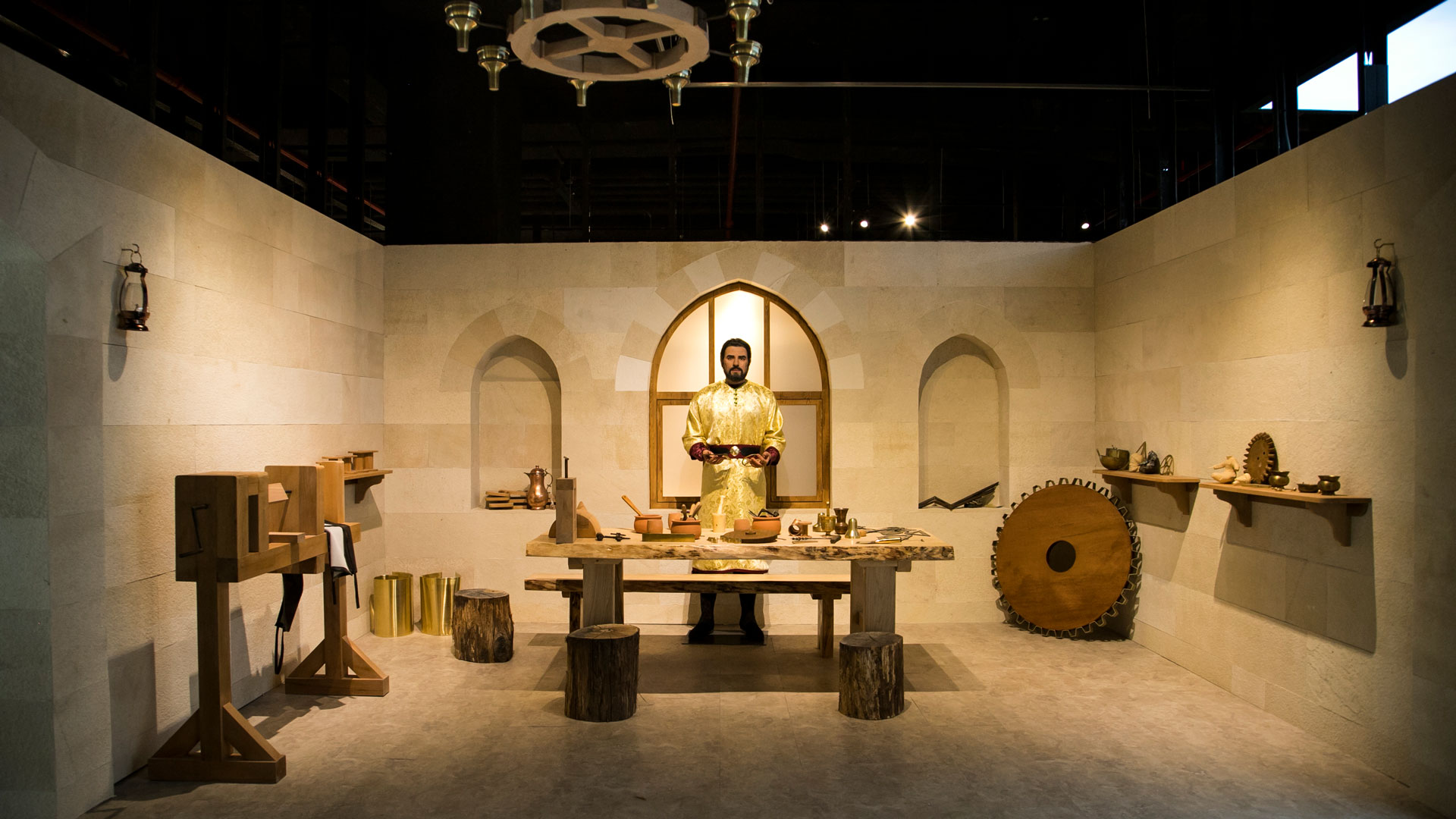
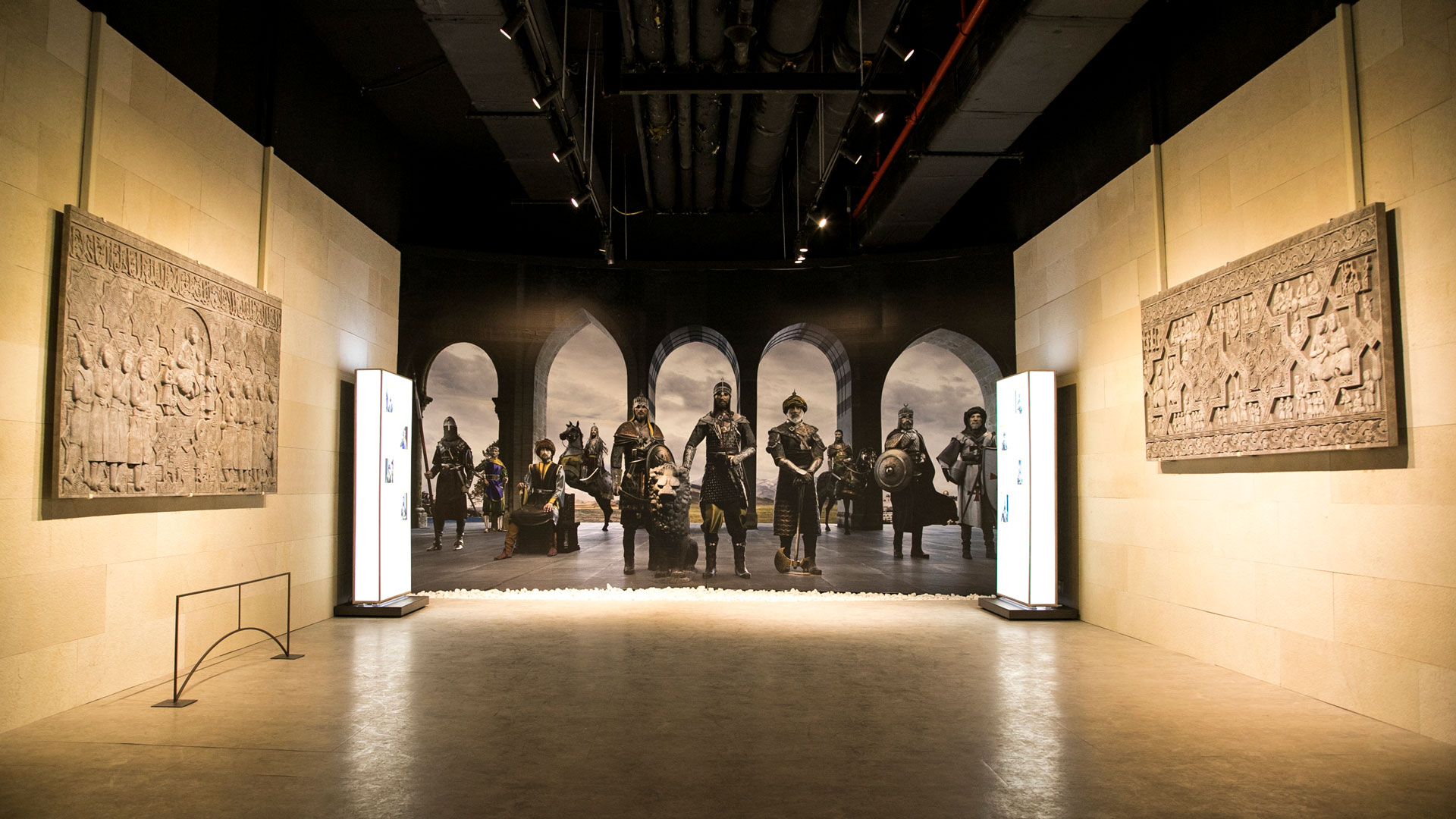
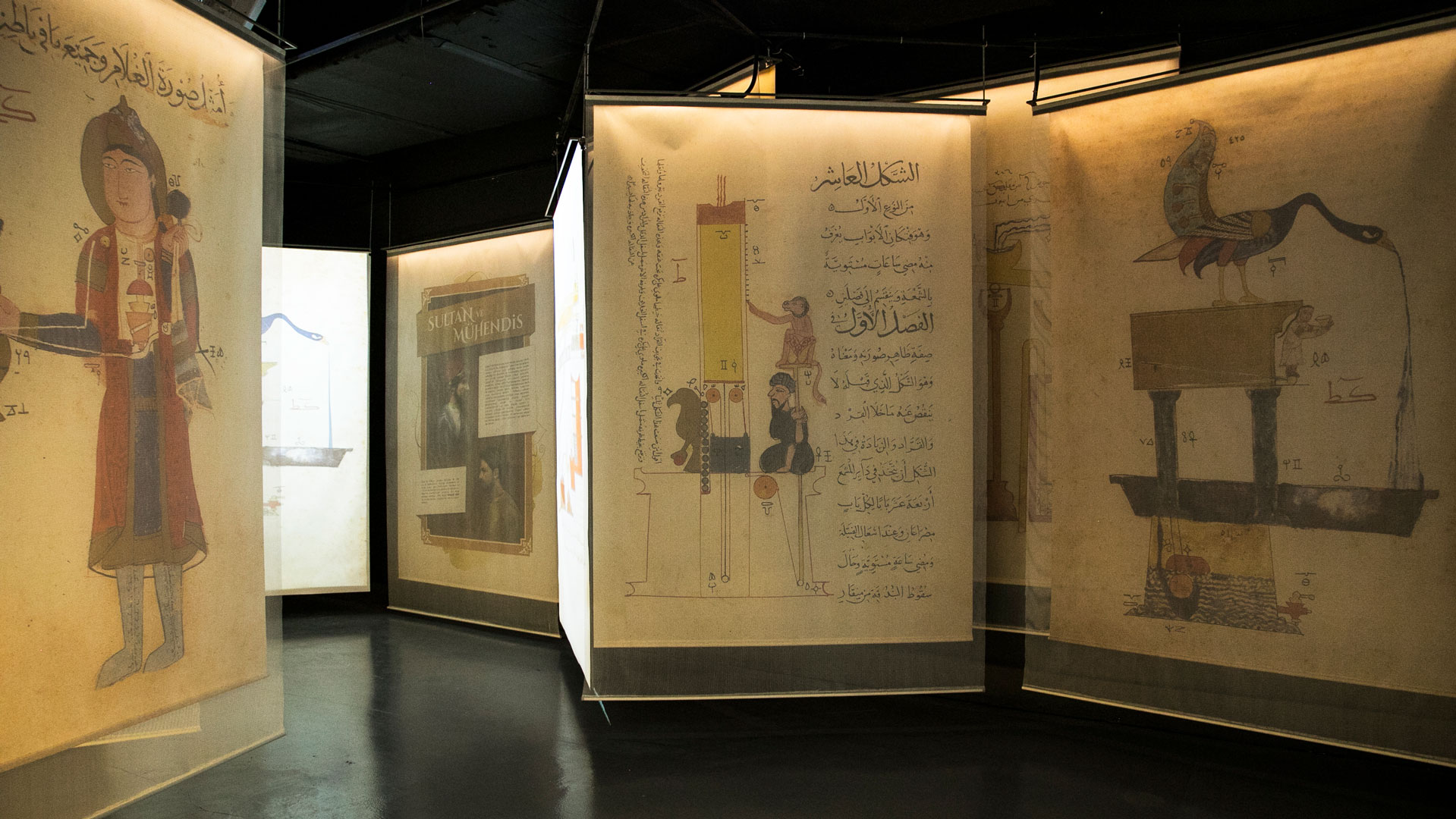
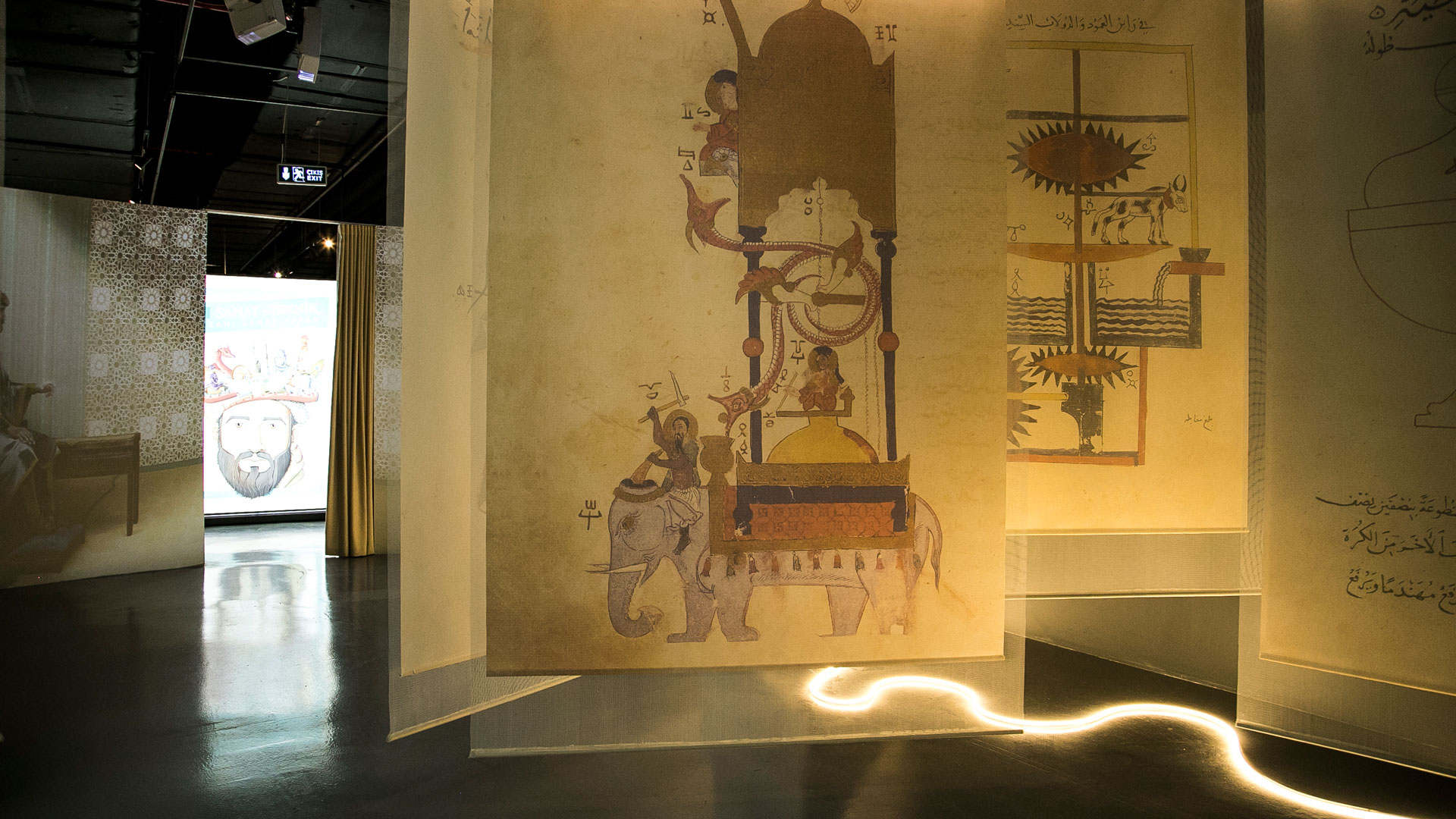
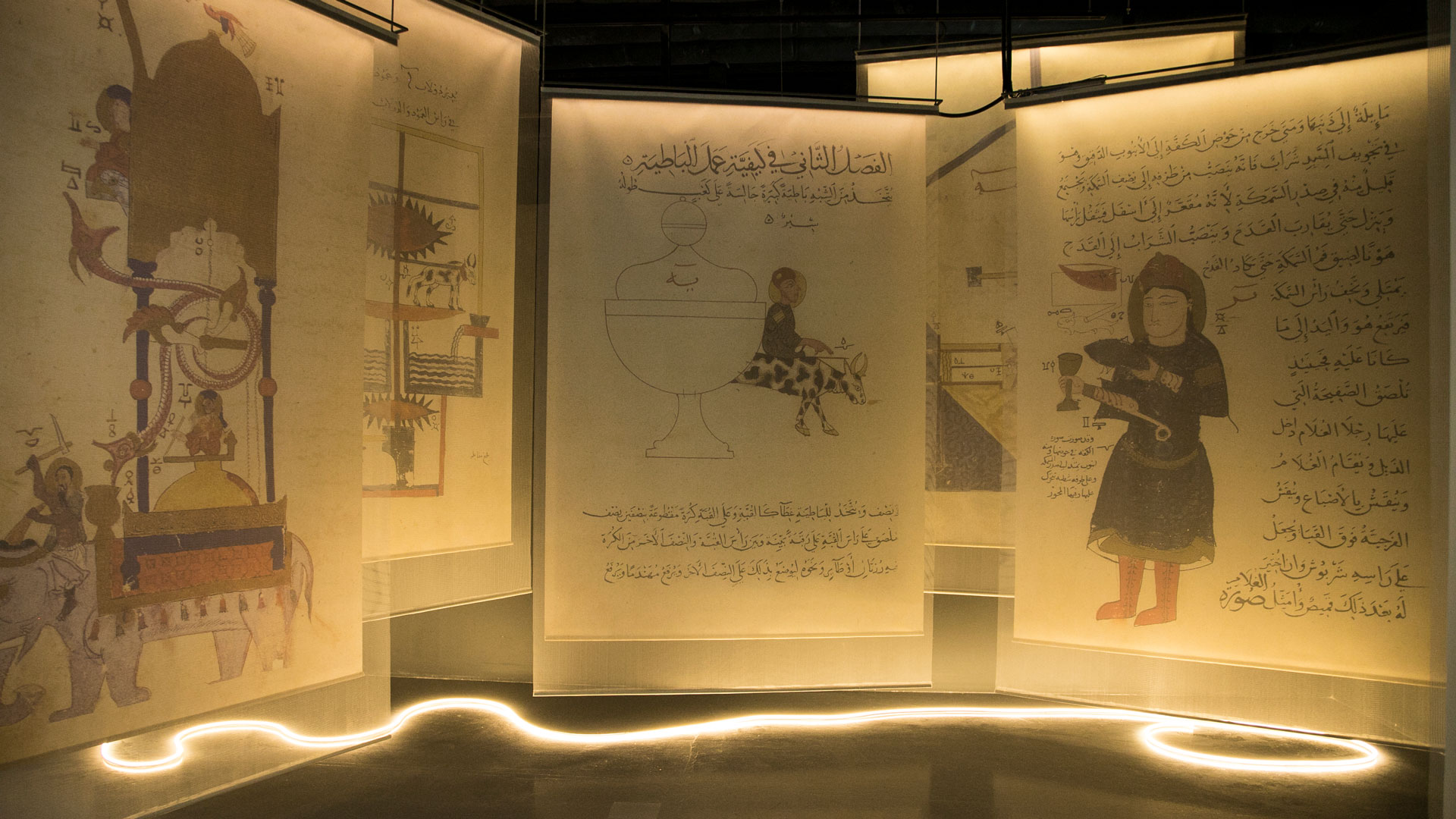
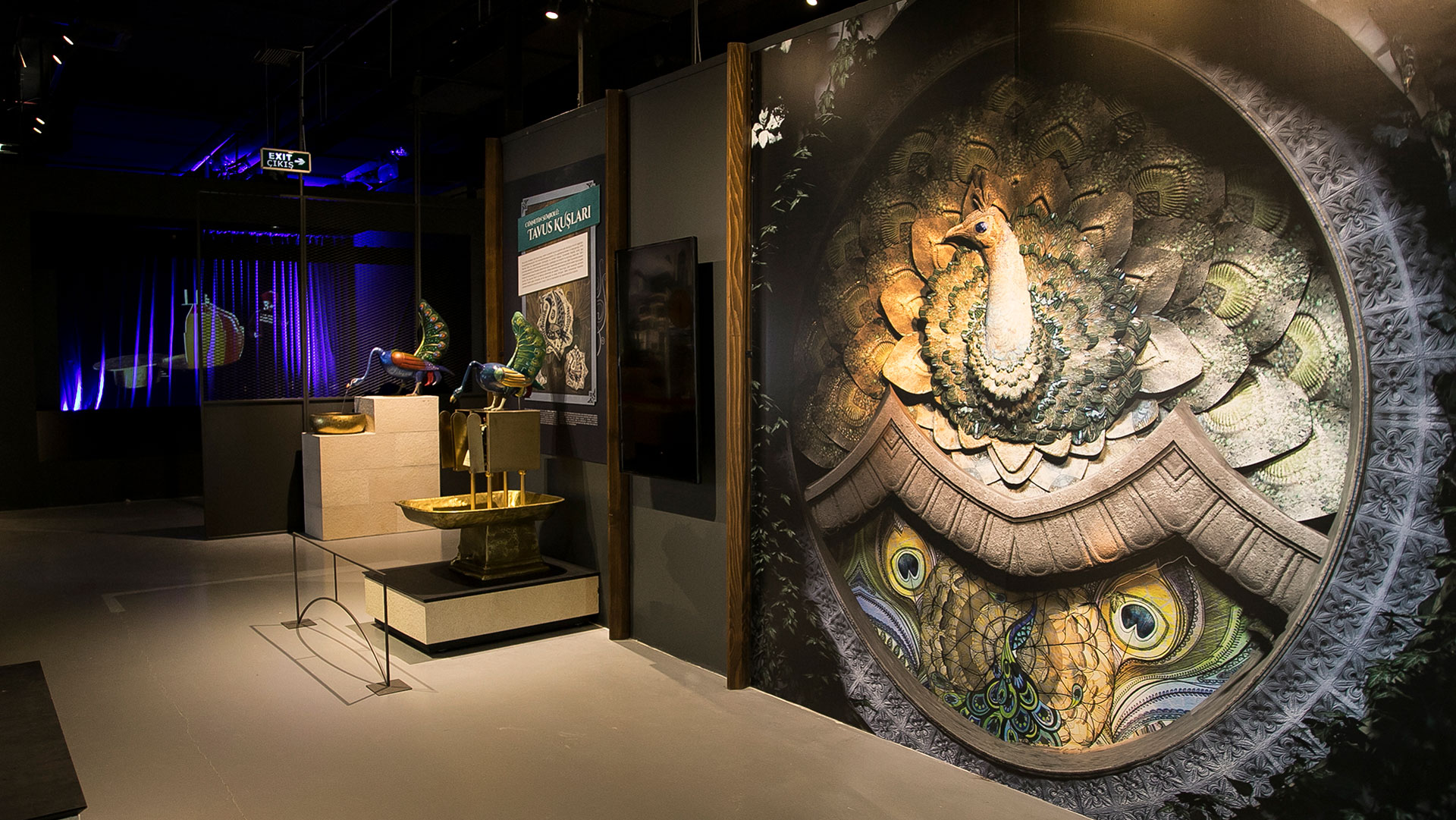
The spatial atmosphere is shaped by Jazari’s belief in the inseparability of art and science. Objects that glow against dark backgrounds, stone-textured surfaces, and illuminated panels that reinterpret drawings from his manuscripts together create an environment that is both mystical and technological. Each section is designed as a spatial scene dedicated to one of Jazari’s inventions or principles, allowing the exhibition to function almost like a machine in itself where each element sets the next into motion.
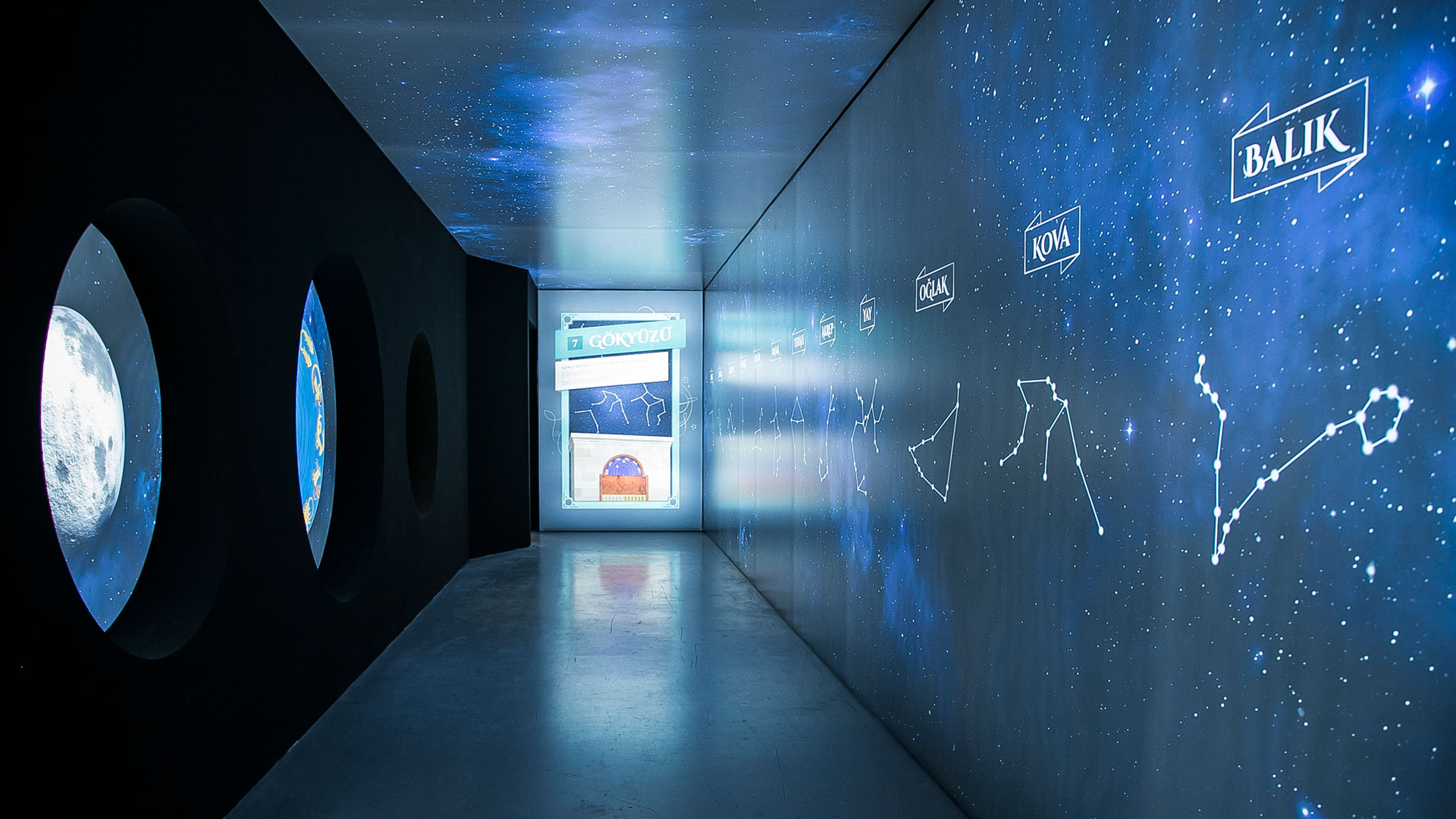
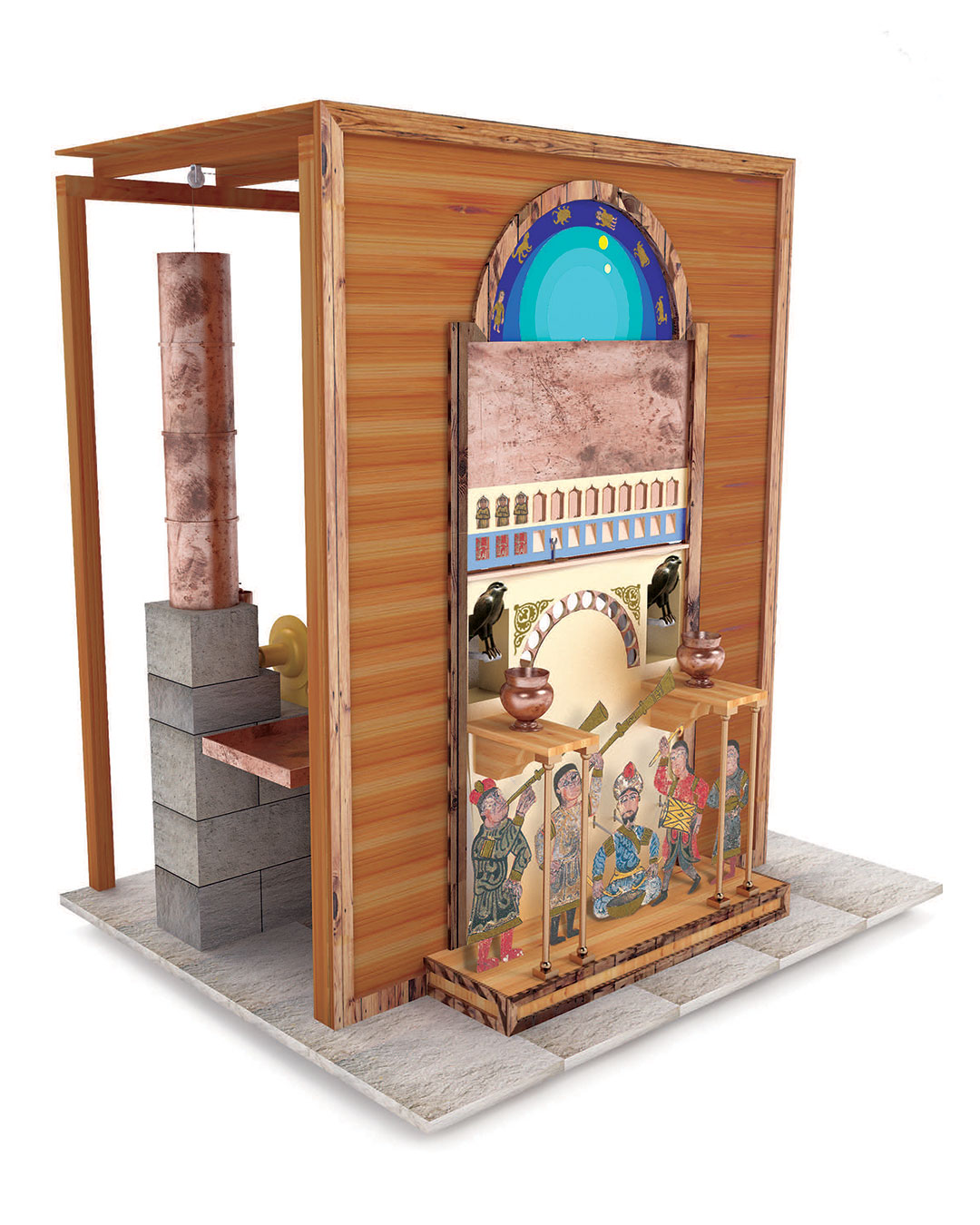
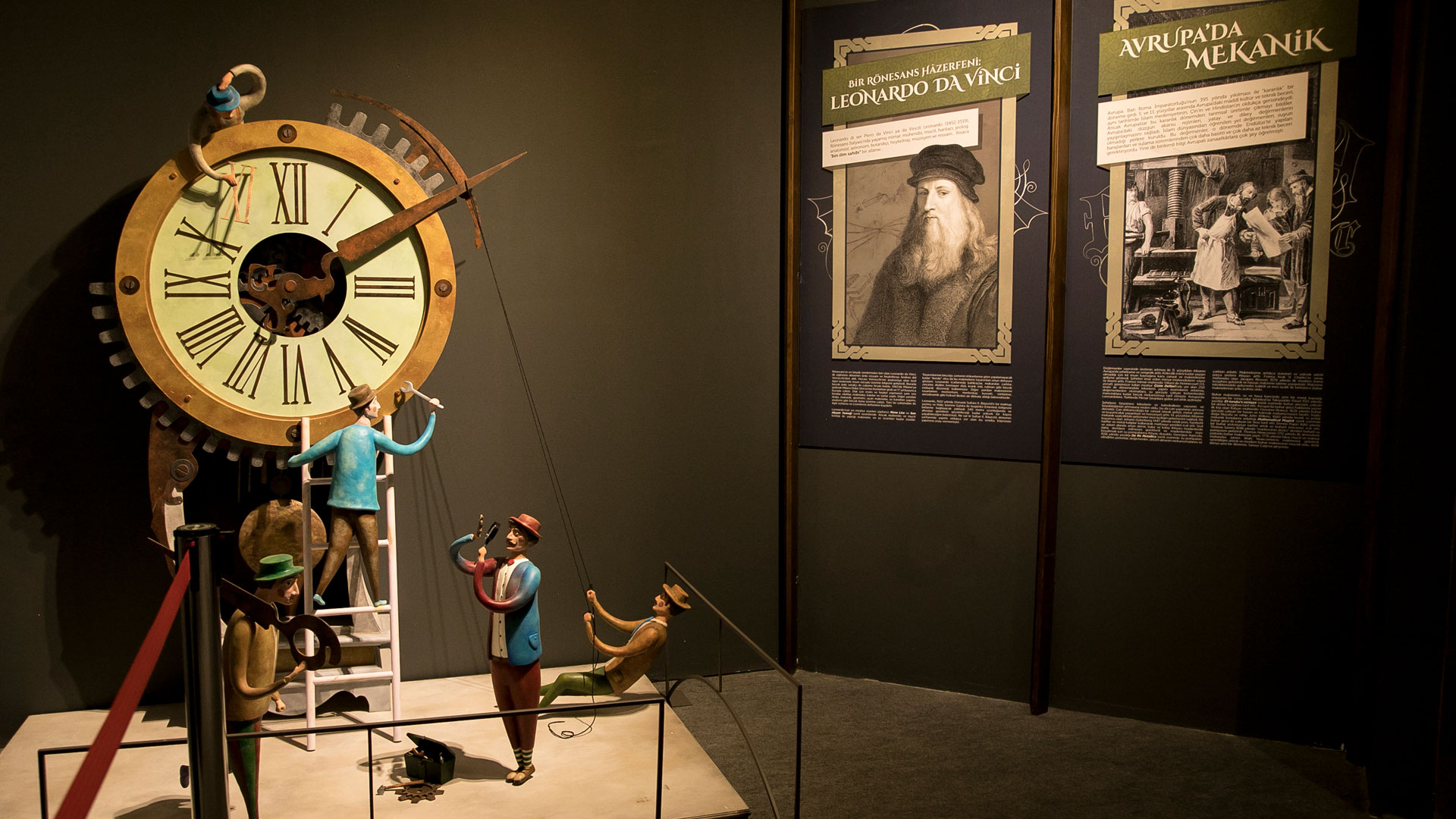
The narrative structure aims to convey the rhythmic order present in Jazari’s mechanical works. In one part of the exhibition, celestial dome projections evoke astronomical observation; in another, the rhythmic movement of automatons comes to the foreground; elsewhere, water and the notion of time frame the experience. Together, these elements immerse the visitor in a system where time and knowledge flow continuously.
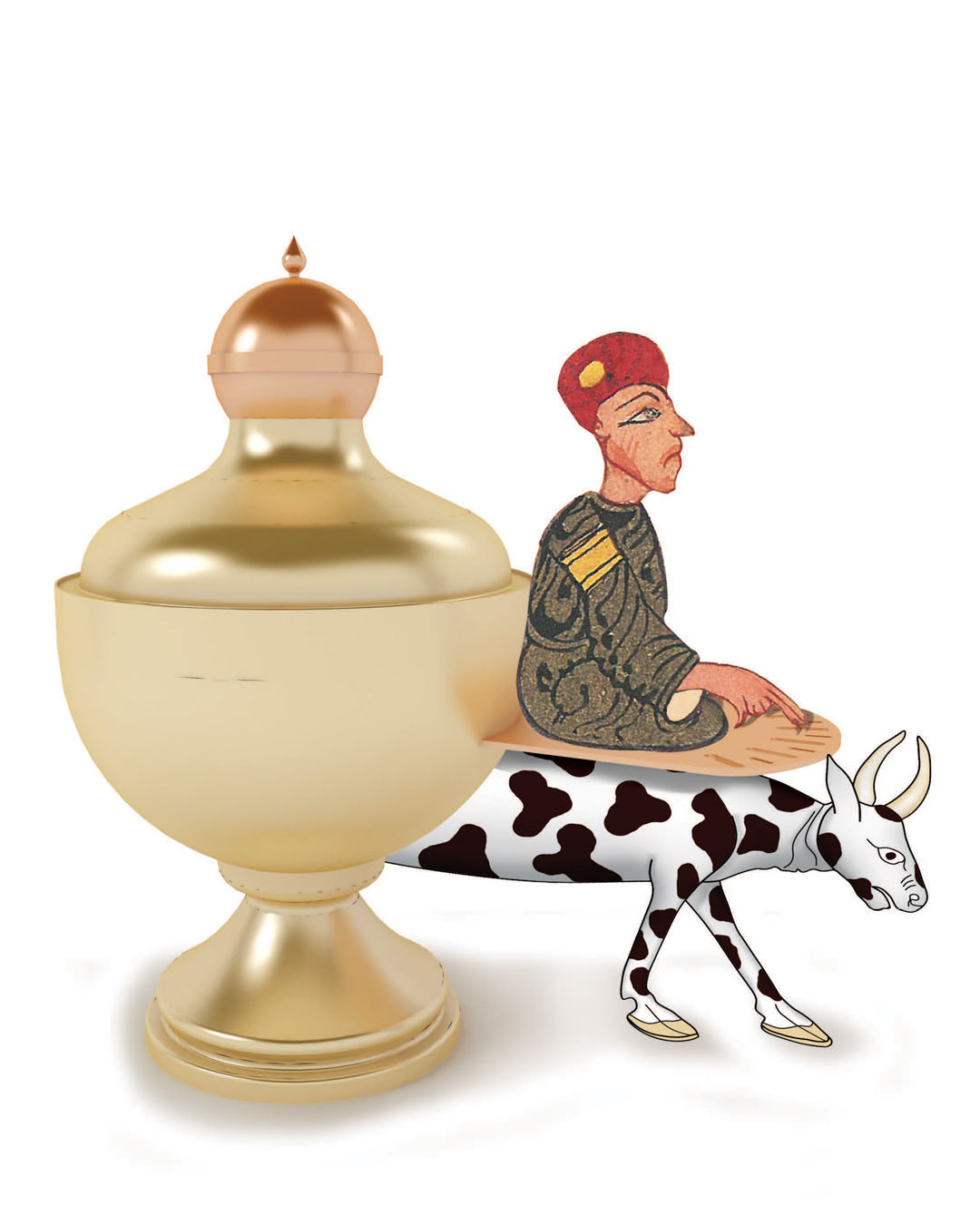
All replicas of the machines, their placement, the lighting strategy, the relationship between floor and display surfaces, and the overall atmosphere are designed as parts of a single unified story. In this sense, the project is not only an exhibition but also an embodied tribute to Jazari’s engineering legacy, which continues to resonate across centuries.